The disconnect between investment and output
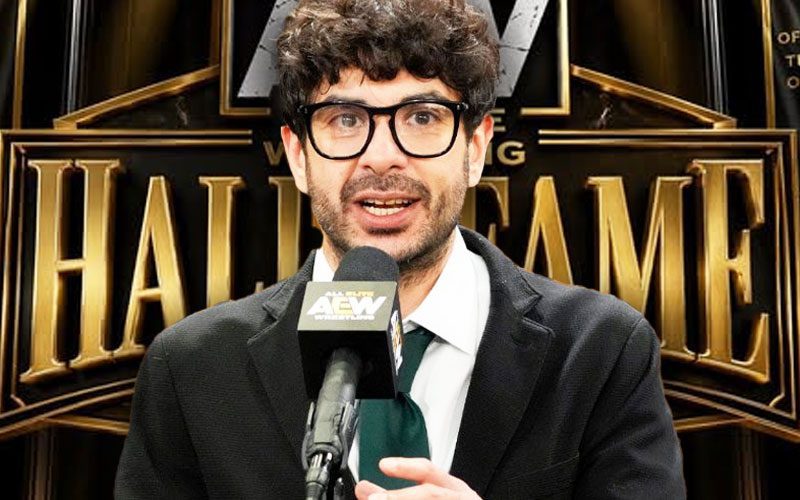
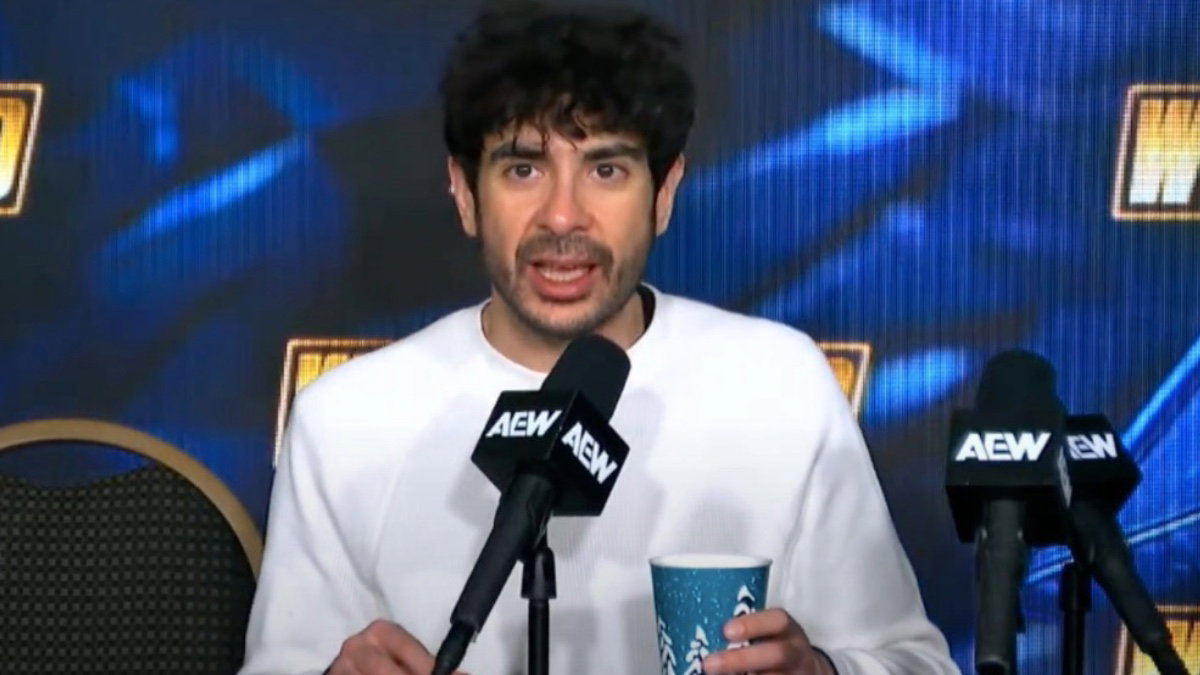
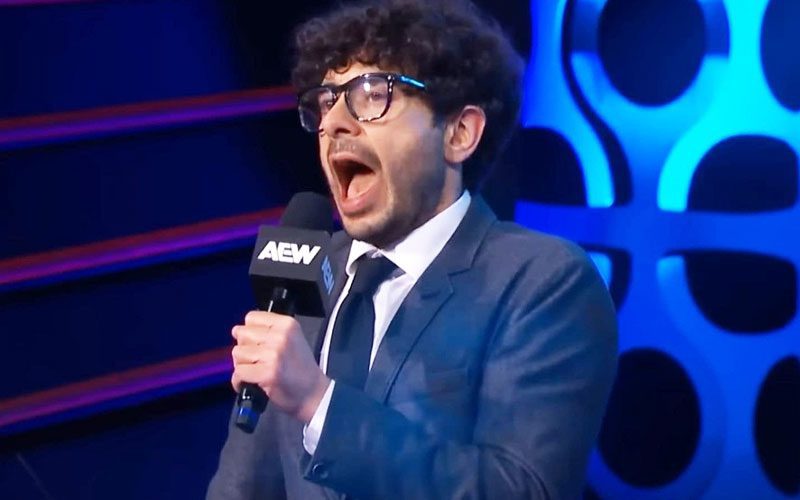
Professional wrestling is rarely as simple as throwing high-priced talent into a ring and waiting for the ratings to climb. Tony Khan has accumulated more roster depth than anyone in the history of the industry, yet the product often feels fractured. Maria Kanellis recently spoke about her departure from AEW, citing a lack of communication after her tumor diagnosis as a primary source of her frustration. When a veteran performer feels iced out, it highlights a structural failure in how the promotion treats its secondary talent.
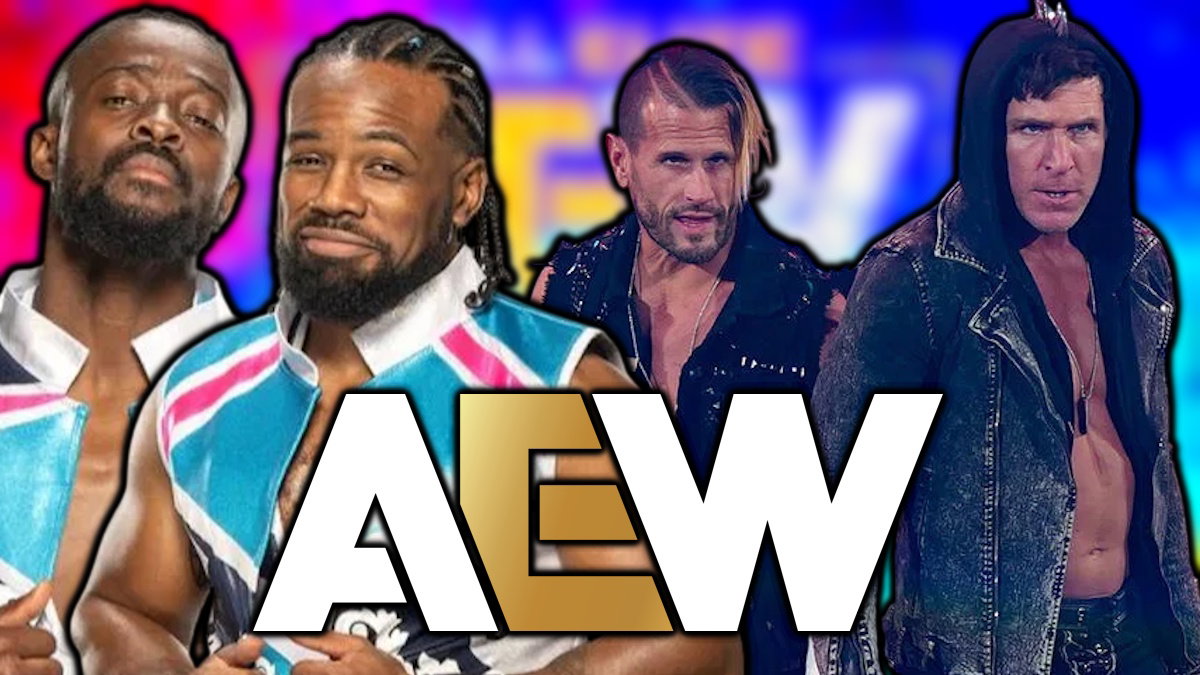
The current booking strategy mimics an endless cycle of tournament brackets and dream matches that lack long-term narrative stakes. While the technical work in the mid-card remains elite, the storytelling often hits a plateau. Fans are not tuning in to see who can execute a cleaner suplex. They are tuning in to see why the match matters in the broader geography of the company.
Missing the human element in talent management
Kanellis’s situation underscores a broader critique of the current promotion management. It is not enough to offer a contract and a spot on a streaming show. Wrestlers require consistent creative direction and, more importantly, operational empathy. The lack of clarity surrounding talent releases points to a lack of organization that permeates multiple layers of the business.
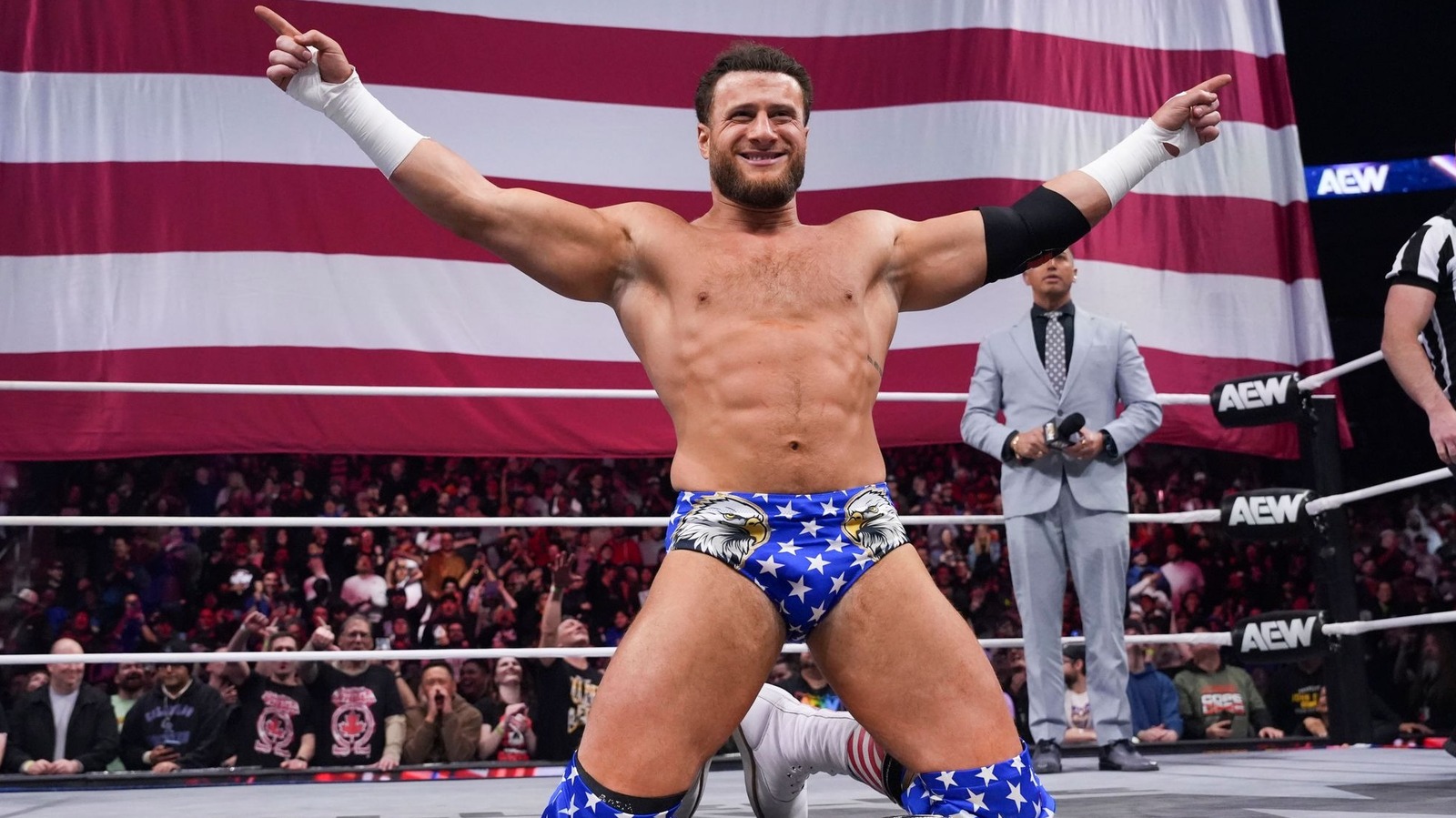
We look at the recent shifts in the championship picture and see the same predictable patterns. A title changes hands, an unproven challenger steps up, and the momentum stalls because the audience has not been given a reason to care about the challenger's journey. High-level in-ring performance without a compelling psychological hook is just an athletic exhibition. It is not professional wrestling in its most effective form.
A look ahead at the next booking cycle
With major events looming in the summer calendar, the promotion must pivot away from the cluttered, chaotic booking that defined the last three months. Reducing the number of active titles or streamlining the division rosters would allow for more focused storylines. Currently, the company maintains 14 different championship belts, which spreads the audience's attention far too thin across too many television hours.
The reality is that fans are becoming exhausted by the constant roster churn and the lack of permanence in character development. If management does not address the administrative blind spots that lead to public exits like the one cited by Kanellis, they will struggle to retain the veteran presence needed to mentor younger talent. A chaotic training ground produces a chaotic final product.
My prediction for the remainder of this fiscal cycle is that we will see a sharp contraction in roster size. Tony Khan is far too focused on the bottom line to keep underutilized assets on the payroll much longer. Those who do not find a clear path to the main event by the autumn will find themselves working on the independent circuit. Ownership is expected to shift toward short-term stability over the long-term project of building a massive talent stable.