The disconnect between announcements and in-ring payoff
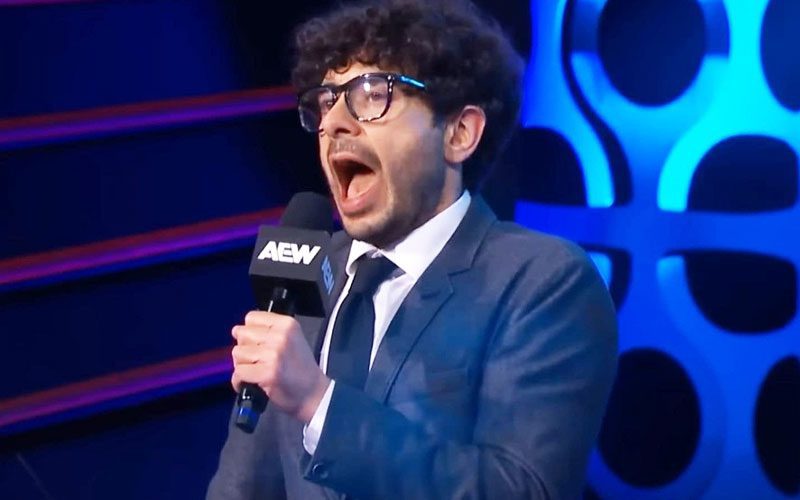
AEW President Tony Khan remains under fire for his promotional style, specifically the frequency of hype-heavy announcements that often fail to deliver explosive results. Jonathan Coachman recently labeled these segments as self-sabotage, arguing that the long-winded nature of the reveals dilutes the product. This critiques the momentum of the company at a time when fan patience for build-up is wearing thin.
The issue stems from a cycle of expectation management. When an announcement is framed as a seismic shift, the subsequent debut or match announcement must possess genuine heat to survive the scrutiny of the fanbase. Coachman's assessment highlights that the presentation currently relies too heavily on the shock value of the initial reveal. Overloading the television window with these segments removes time for character building inside the ring.
The booking reality for potential new arrivals
Rumors regarding new talent entering the promotion are often filtered through this lens of skepticism. If a high-profile free agent is expected to join, the fear is no longer about the talent's ability, but rather the execution of the introduction. Fans are beginning to associate major announcements with convoluted long-term arcs that lack immediate impact on the weekly television product.
Consider the trajectory of recent acquisitions. Talents moving from independent circuits or international promotions often face a hurdle upon debut: aligning their established persona with the chaotic pacing of AEW television. As noted by critics like Coachman, if the announcement itself is too drawn out, the debut feels like a resolution to a chore rather than the start of a star-making run.
Strategic risks for the upcoming summer window
The booking team must reconcile the desire for buzz with the necessity of clean show structure. The concern is that by focusing so much energy on the announcement phase, the promotion risks neglecting the mid-card talent who require consistent TV time to differentiate themselves. When three out of five segments are dedicated to setting up the future, the present state of the roster suffers.
This is not a condemnation of talent acquisitions but a warning against poor process. The most successful angles in modern history are rarely those preceded by ten consecutive days of social media countdowns. They are the moments where the action forces the fans to pay attention without needing permission from a pre-recorded video package.
Probability and outlook
The probability of continued reliance on this promotional strategy remains high throughout the rest of 2026. Despite public pushback from figures like Coachman, the internal culture at AEW treats these announcements as a primary method of driving viewership. Expect the status quo to hold until external metrics, such as viewership dips or declining ticket demand for secondary events, force a pivot in marketing philosophy.
If the promotion continues on this path, they risk turning potential marquee signings into products of diminishing returns. The creative potential of bringing in established stars is being capped by an insistence on overwrought presentation. For any wrestler looking to sign with the company, the caution is clear: ensure your creative pitch is locked in before the lights go down, or you risk being lost in the noise of the next big announcement.
Analytical breakdown
- Current trends show a high frequency of pre-announced surprises, often at the cost of segment pacing.
- The disconnect between fan expectation and the actual payoff is widening monthly.
- Future creative direction relies on curbing these segments to allow for organic growth.
- Critics suggest shifting focus back to in-ring storytelling to regain audience trust.
- Negative impact: prolonged announcements are actively suppressing the heat for new debuts.
Ultimately, the goal for any promotion is to make the match feel like the destination. Currently, the destination at AEW has become the announcement itself. This shift in priority is a fundamental flaw that needs correction before the next wave of major star movement hits the roster. The talent is there, but the delivery is currently failing to convert promise into sustained interest.
Ultimately, successful booking relies on the intersection of surprise and credibility. When the surprise is diminished by a 20-minute setup, the payoff feels less than the sum of its parts. If the creative team cleans up the preamble, the impact of their next signing could finally match the intensity the audience craves.