The pressure of the unedited performance
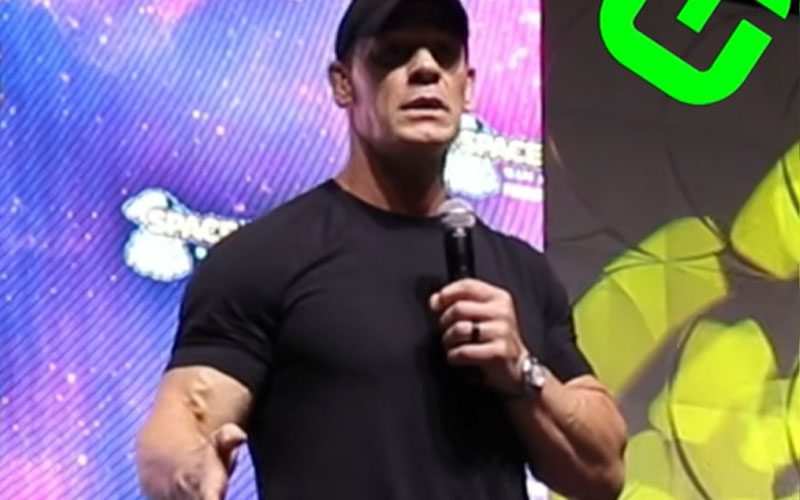
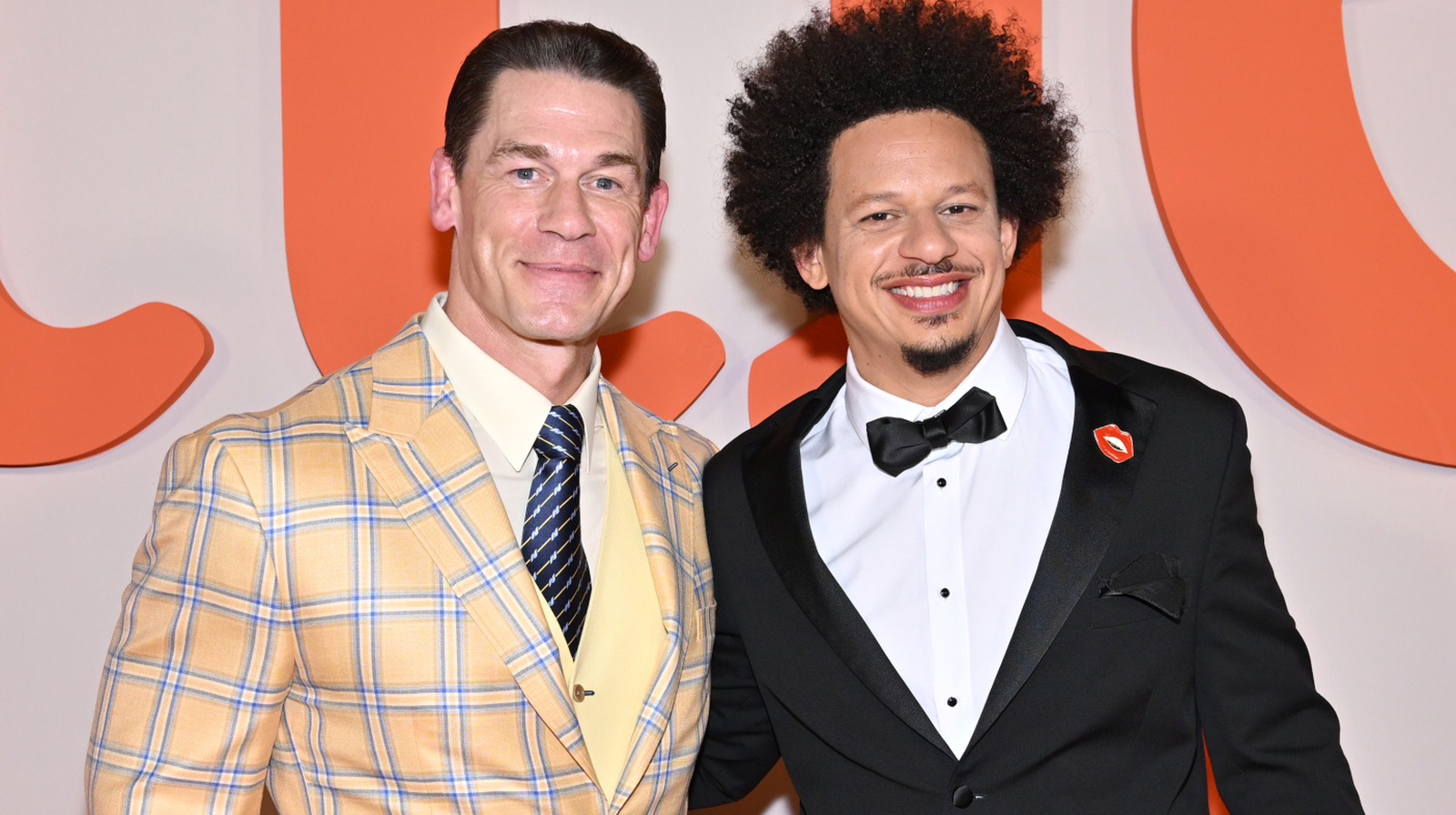
John Cena recently offered an instructive look into his post-ring perspective. While discussing his pivot toward feature film comedy, the 17-time world champion drew a sharp distinction between the Hollywood process and the reality of professional wrestling. He noted that comedy acting is manageable because a production team only shows the take that works. Wrestling, by contrast, offers no such safety net.
This contrast is what defined Cena’s entire tenure. In a film, a director can call cut if a punch misses by six inches or if a comedic beat lands flat. In the squared circle, as Cena points out, the lack of an edit button is the primary source of anxiety. It is the specific terror of the live environment, where the margin for error is effectively zero.
The evolution of a precision craftsman
Cena’s comments highlight why his late-career matches often felt different than his early-2000s output. By the time he was working his series with AJ Styles or his bouts with Roman Reigns, he had stopped relying on the standard sequence of five moves. Instead, he leaned into high-leverage spots where timing was everything, acknowledging that every audience reaction serves as a real-time audit of his work.
Consider the structure of his later matches. He stopped rushing to the finish, instead focusing on the spacing between strikes. You can see this in his reliance on reversals that require pinpoint mechanical accuracy. If he mistimed a counter in his later years, there was no second take to fix the sequence. He was working without a script editor to salvage the product.
The hidden cost of the live craft
There is a recurring flaw in how we judge modern legends: we forget the physical toll of creating content that cannot be polished in post-production. While Cena is currently thriving in a medium that allows for endless retakes, his assessment of wrestling reinforces why the industry remains uniquely taxing. The audience is not just a participant; they are the editor, judge, and jury from the second the bell rings.
For those interested in how this internal discipline bridges the gap to modern media, WrestleTalk recently reported on these specific challenges. Cena’s admission that wrestling remains more nerve-wracking than his current film work confirms that he views his in-ring history not merely as show business, but as a discipline of precision. Most performers struggle to articulate why the live atmosphere is unsustainable for decades; Cena frames it as the exhaustion of constant, unedited public accountability.
A prediction on the legacy of the live approach
I suspect that as Cena nears the end of his active cycles, we will see him lean even further into the minimalism that defined his recent work. He understands that the fans no longer look for an athletic showcase but for the narrative weight of a man working under a live microscope. The risk of the unedited performance is what keeps the stakes high. He is not just performing; he is performing under the constant threat of a failed take that cannot be deleted from the record.
Read Next
- John Cena’s classic tournament faces a reality check before it even begins
- John Cena is shutting the door on a comeback and frankly good for him
- Teddy Long thinks WWE needs Vince McMahon but he is dead wrong
- Sheamus and the unpredictable nature of longevity in the ring
- 🏆 WrestleMania 41 — Full Coverage Hub
- 👴 John Cena Retirement Tour 2026