The transition from physicality to delivery
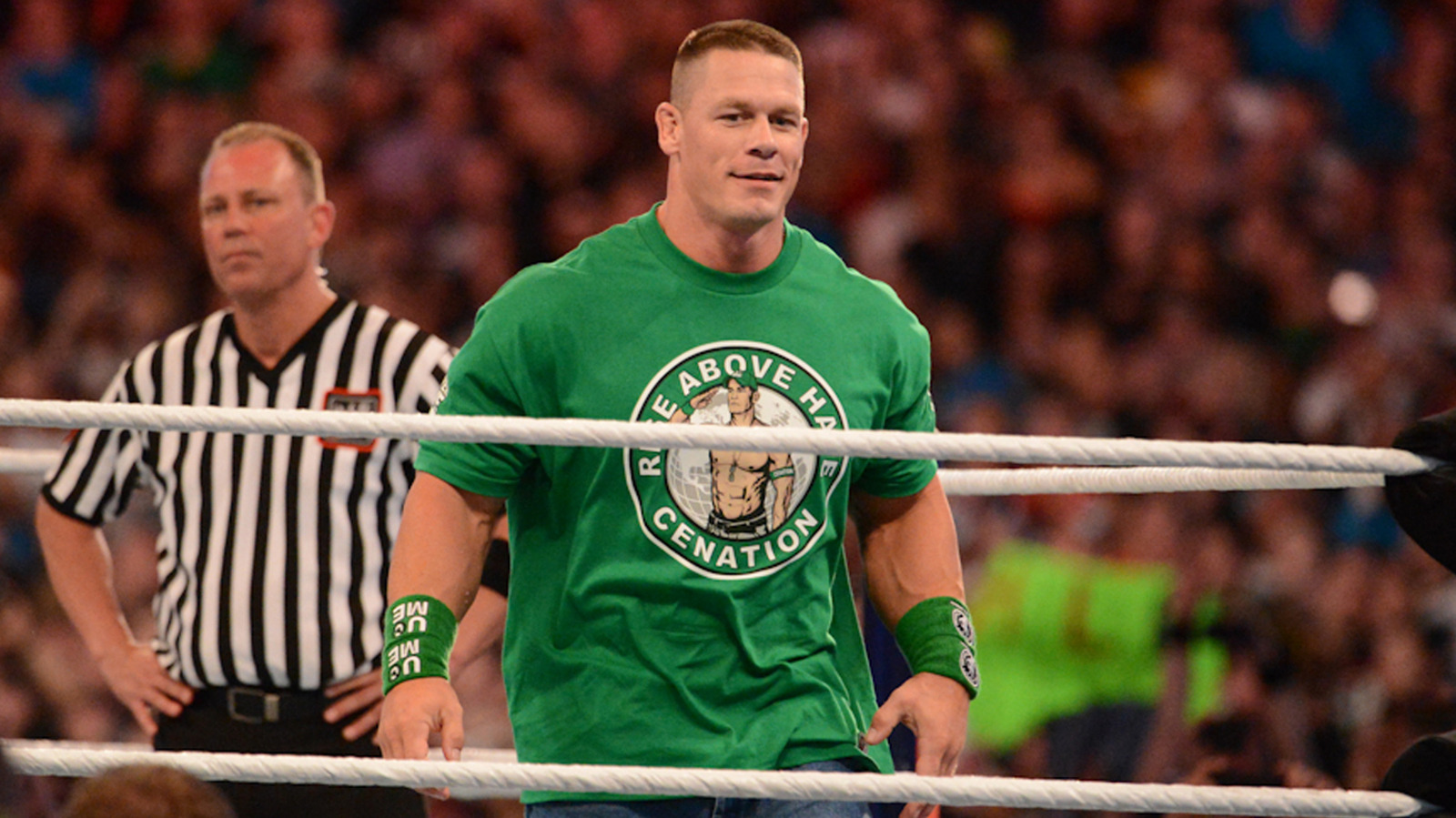
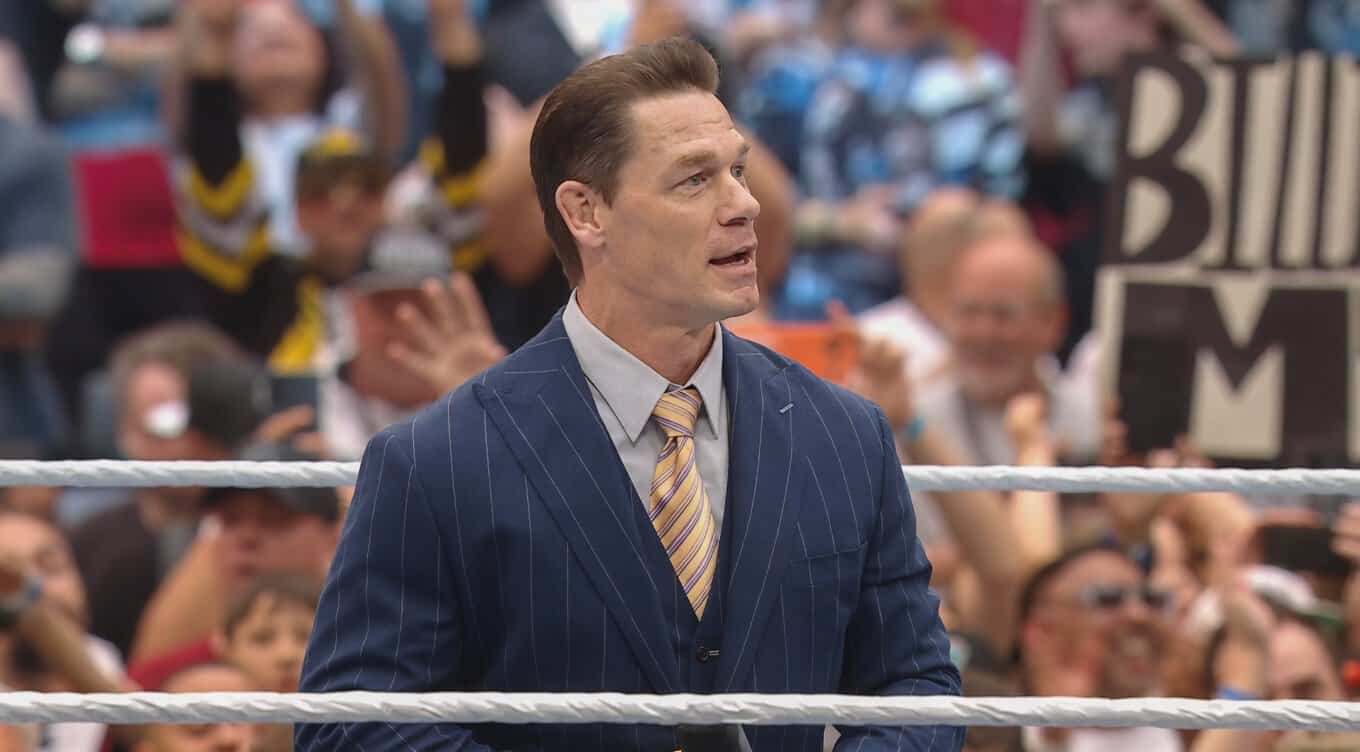
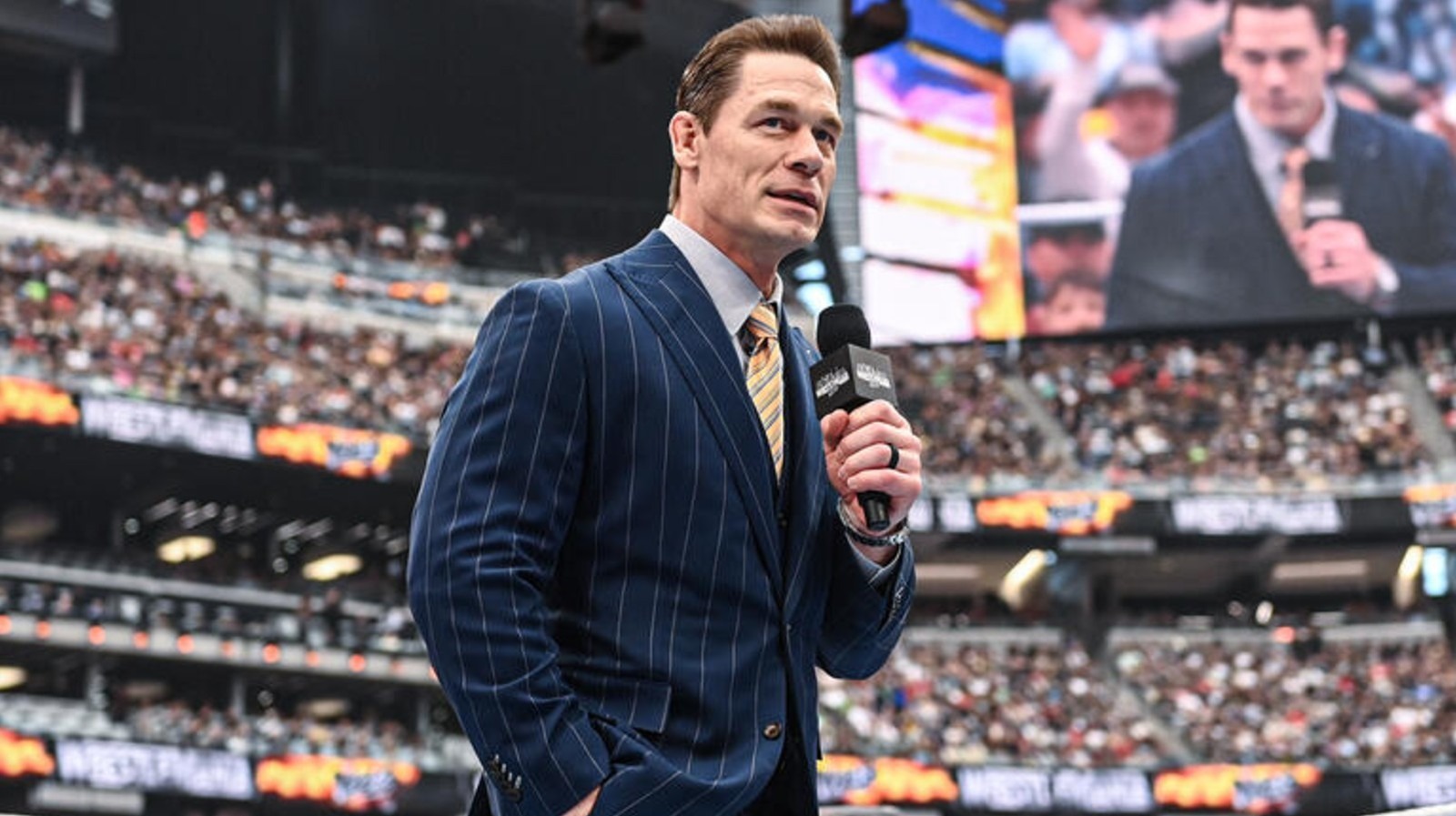
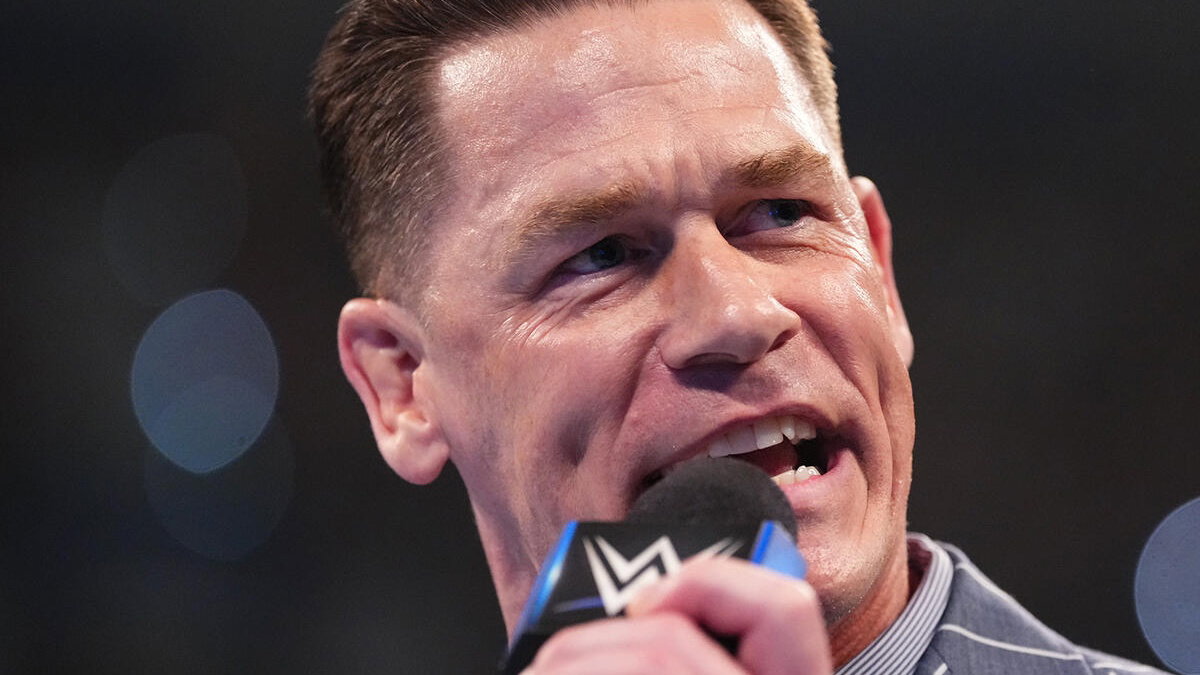
John Cena is no longer working the full-time circuit. His recent foray into mainstream film has provided a fresh perspective on his in-ring psychology. In his comparison of professional wrestling and comedy, Cena highlights the necessity of timing and crowd engagement as the bridges between the two performance art forms.
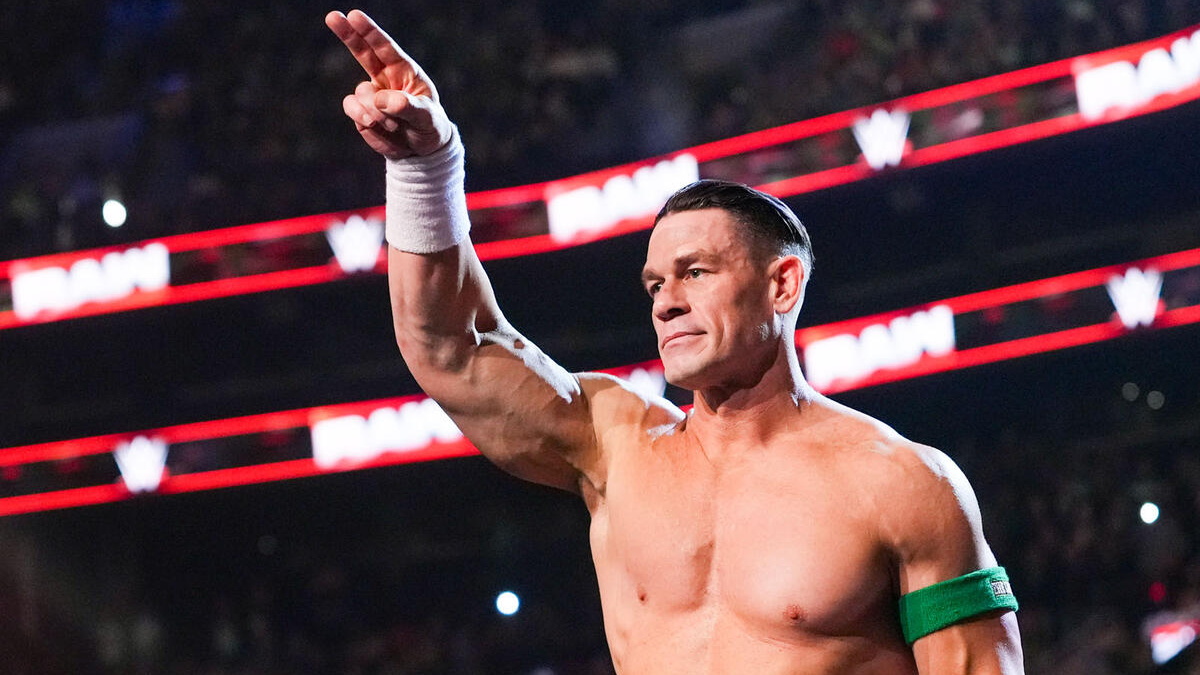
We saw this evolution in his most recent performances. Cena has moved away from the heavy-impact sequences that defined his 2010 run. Instead, he leans into facial expressions and deliberate pacing to dictate match tone. Much like a stand-up comedian waiting for a laugh to die down, Cena waits for the heat in the room to reach a specific pitch before committing to a spot.
The danger of leaning into the bit
There is a risk in this methodology. When a performer treats a match like a stage routine, the urgency of the competition can suffer. If the spots are too rehearsed or calculated for reaction, the tension evaporates. We saw this during his last televised appearance where his reliance on comedic callback sequences slowed the pacing to a crawl.
A performer cannot rely on timing alone if the physicality is not behind it. Critics of this style point to his transition into a less demanding schedule, noting that his bump card has drastically shortened. This stylistic pivots requires him to be tighter with his execution during the moments he does choose to engage. He cannot afford to be sloppy when he only hits the mat for 15 minutes every few months.
Refining the craft for the modern viewer
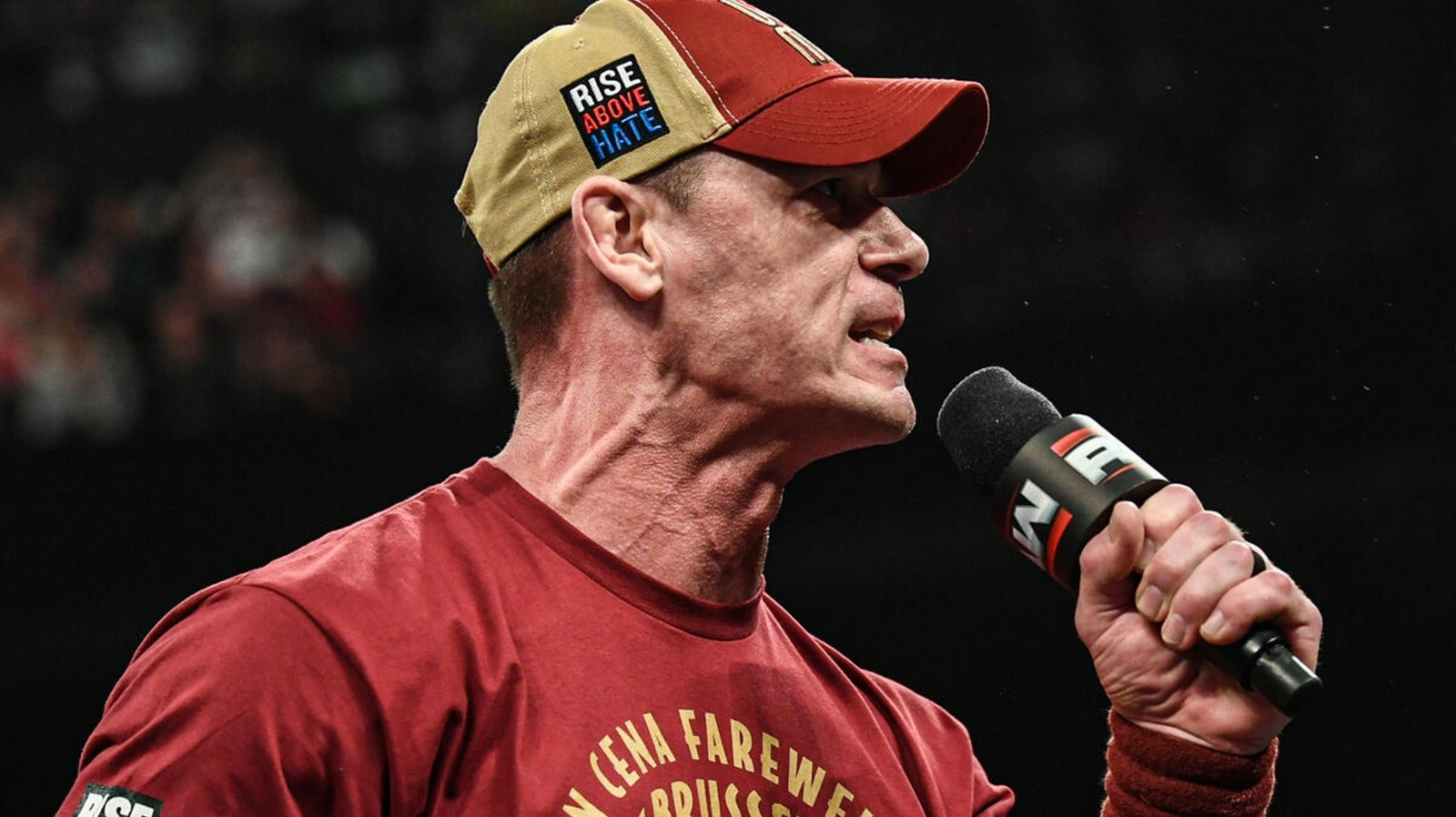
Cena views the live audience as a live test. If a segment falls flat, he adjusts the cadence of his promos or the speed of his reversals. This is the hallmark of a veteran. He realizes that the audience's attention span is currently shorter than it was in 2005.
His ability to manipulate a crowd using comedic rhythm suggests he is looking to extend his presence by mitigating unnecessary risk. It is a calculated move to preserve his longevity. The question remaining for fans is whether this calculated approach will satisfy the traditionalists who prefer a stiffer, more visceral contest.
My take on the future
I predict that Cena is effectively building a new blueprint for aging icons. By swapping high-velocity spots for high-IQ transitions, he remains relevant without needing to match the speed of younger stars. Expect to see him continue this trend, prioritizing sequence recognition over pure grappling output. It is smart for his health, though it arguably limits his ceiling in high-workrate environments.
Read Next