The benchmarks of a new era
Professional wrestling history is a collection of pivots that redefine expectations for talent and fan engagement. These ten moments represent the points where the industry changed direction, though some selections reflect more on execution than others.
Defining the excellence
10. The formation of the new alliance at the 2025 Survivor Series. This merger of stables felt rushed, but it effectively consolidated mid-card talent into a single, cohesive narrative. It suffered from poor pacing during the final elimination sequence.
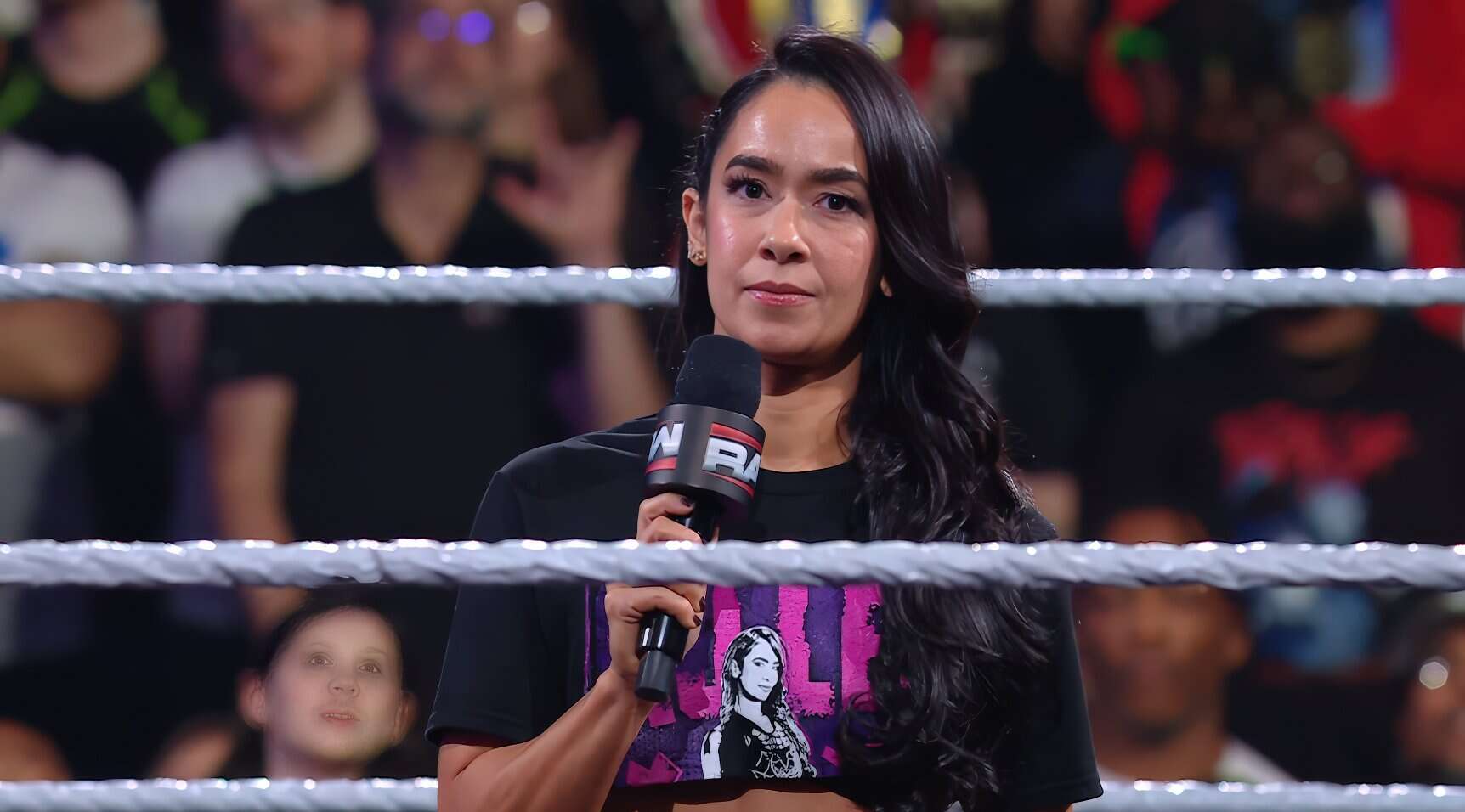
9. The surprise return of AJ Lee’s influence on the women's division. Even with her focus on writing and media outside the ring, her legacy remains a point of agitation for those wanting nostalgia. As reported by WrestlingNews.co, she purposefully kept that chapter closed to protect her legacy. This restraint is actually what keeps her stock higher than those who return for a paycheck.
8. The surprise title change on the February 2026 episode of Raw. The booking decisions were chaotic, leaning into a dusty finish that stalled momentum for both performers involved. It proved that shock value carries a diminishing return if there is no long-term payoff.
7. The departure of high-flyers to independent circuits. This exodus shifted the focus toward technical work rates over character-driven promos. It forced promotions to adapt their storytelling to keep audiences invested in the smaller weight classes.
6. The shift in talent management under Triple H starting in 2022. The change created an internal environment where veterans began to view WWE as a viable destination again. The shifting power dynamics have truly altered the industry’s outlook for aging veterans who previously had no path back home.
5. The main event push of rising stars at SummerSlam 2025. It marked a necessary changing of the guard, though the execution left the older generation looking out of touch. Transitioning the belt on a night with a 68-minute main event was a bold, if disjointed, commitment to the future.
4. The contract resolution involving top-tier talent during the 2026 spring window. The sheer volume of rumors regarding big names moving to AEW created a frenzy that dominated weekly discourse. As Ricochet to AEW rumors continue to circulate, it is clear that free agency is now the most compelling part of the business calendar.
3. The unification match at Wrestle Kingdom 20. It showcased the best of international styles, though the officiating was uneven across the 40-minute contest. The finish, a double-countout turned into a restart, felt like a desperate attempt to manufacture drama.
2. The resurgence of tag team excellence in early 2026. Promotions finally stopped treating the division as an afterthought, leading to higher buy rates for secondary pay-per-views. It proved that quality booking matters more than individual star power when crafting a compelling card.
1. The pivot to long-form storytelling in weekly television. While some segments dragged, the commitment to 12-week story arcs finally gave the audience a reason to care about the mid-card again. It remains the gold standard for how to keep eyes on the screen during the summer months.
Honorable mentions and final thoughts
Honorable mentions include the surprise trade deadline on January 1st and the decision to shorten house shows. While these moments lacked the gravity of a main-event change, they signaled a move toward efficiency over spectacle. Not every moment succeeds, but they all provide a lesson on how to manage a crowd's attention in a crowded media space.