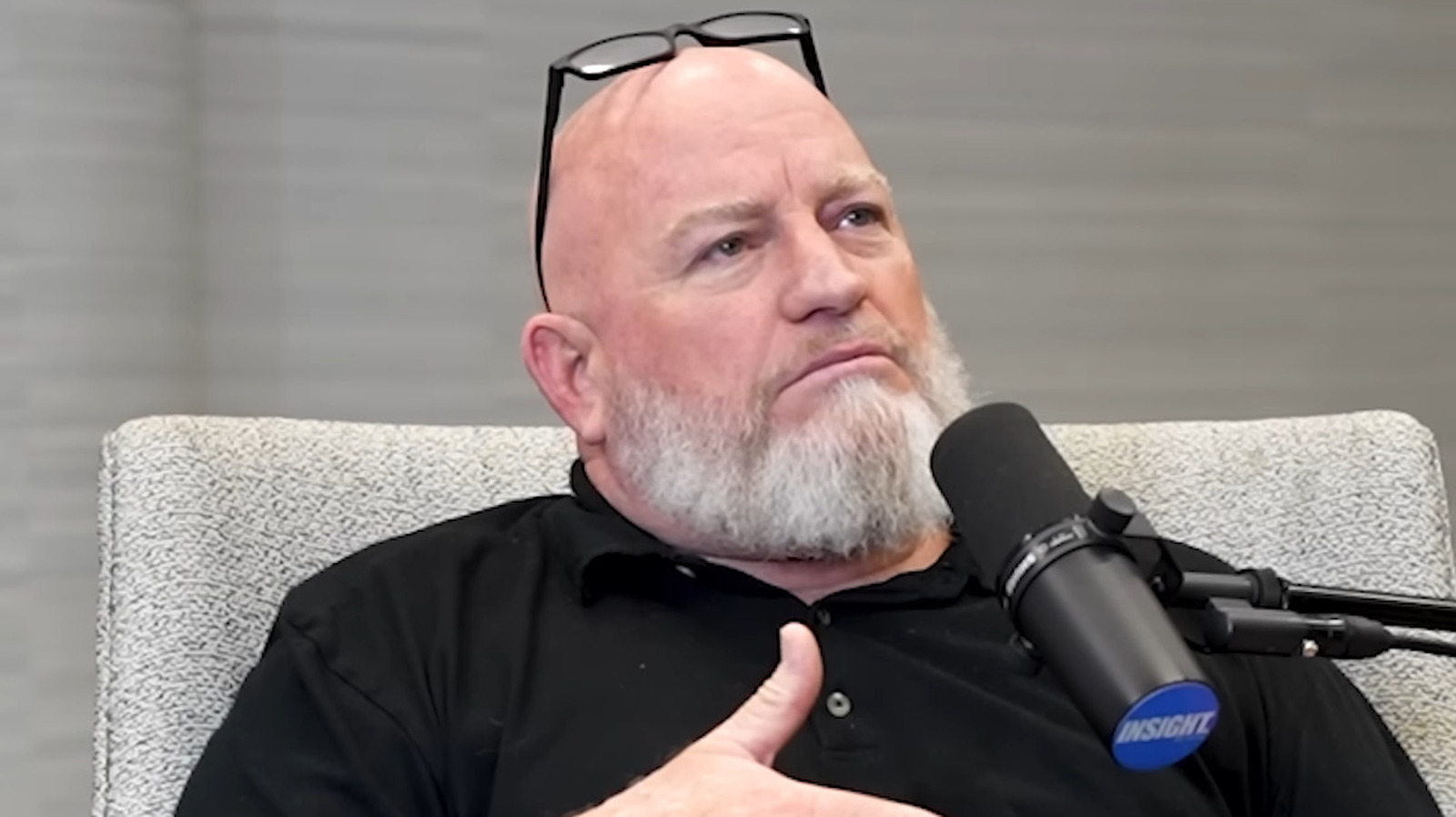
The call-up that caught everyone sleeping
Remember when the developmental system actually mattered? Long, grueling hours at the Performance Center used to be the price of entry into the big leagues. Then you get stories like Sidney Akeem’s, where the plan moved faster than a Goldberg squash match.
As WrestleTalk recently covered, Akeem stepped onto the main roster without the typical NXT baptism. He admitted thinking the gig was just a fleeting cameo, a single night of work before returning to obscurity. That kind of whiplash isn't just common anymore; it’s practically a business model.
The purists vs. the pragmatists
The community is split right down the middle, and honestly, the arguments are getting ugly. On one hand, you have the gatekeepers screaming into the void about the erosion of craft. They want to see the long arcs, the multi-year character building that defined the golden age of black-and-gold, not just plug-and-play talent on live television.
Then you have the folks who realize that momentum is a finite resource. Why waste eighteen months in a warehouse if the crowd is already buying what you're selling? If you’ve got a guy with the look and the natural charisma of Akeem, booking him into a dark match at a house show is just leaving money on the table.
I thought I was gonna be there for a one-off.
That quote from Akeem pretty much sums up the absurdity of it all. Imagine walking into a locker room expecting a check for one appearance, only to realize you’re suddenly a cog in the machine for the foreseeable future. It’s the equivalent of being asked to swing by for a quick meeting and leaving as a department head.
Why we are obsessed with the journey
People get attached to the NXT arc because it creates a narrative skin. When you see someone grind through feuds, evolve their gear, and finally hit the main stage, you feel like you won the race with them. Skipping that is like watching a movie that starts at the third act. Sure, you get the explosion, but you missed the reason the bomb was planted.
Is it a booking mistake to rush talent? Sometimes, you get a guy without a defined persona who flounders for six months. Akeem got lucky, but not everyone has the tools to make that jump without blowing a knee or their credibility. A 50% success rate for these kinds of accelerated call-ups is generous at best. Management loves the shock factor of an unannounced debut because it prints social media engagement, but it’s a gamble that burns out faster than a Roman Reigns title reign.
My take on the great debate
Look, stop romanticizing the developmental system. I’ve seen enough "promising" acts rot in NXT purgatory for years only to get released with a generic name change. If the folks in charge think you can hold your own against the top brass, throw them to the wolves and see if they can swim.
However, the lack of preparation is where this falls apart. If an athlete thinks their first night is a one-off, they aren’t walking in with a long-term plan. They are operating on pure adrenaline, which is fun for exactly one night of TV. It isn’t sustainable, and that’s why the booking often feels like it's being written on the back of a cocktail napkin.
The fans complaining about the loss of the "NXT polish" are right, but they are fighting a losing war. The industry is obsessed with speed, and speed leaves bodies on the floor. Maybe Akeem did just fine, but I’d still bet that for every success story, there are three dudes waiting for a plane ticket back home because they weren't ready for the main stage pressure cooker in the ninth minute of a Raw broadcast.
Ultimately, a quick call-up provides the buzz, but consistent storytelling is what pays the bills. If the front office keeps prioritizing the pop over the process, they’re going to run out of stars real fast. We’re watching a high-stakes poker game where the house is betting on talent that hasn't even learned how to hold the cards yet.