The Hierarchy of Spectacle
Pro wrestling operates on a loop of high-stakes collisions and calculated character pivots. This ranking tracks the beats that shifted the industry gravity over the last calendar year.
The Rankings
10. The Summer Blockbuster Bracket Collapse. When Sareee became a late scratch from the Owen Hart Cup, the entire quarterfinal structure for the June 10 Dynamite disintegrated. It serves as a reminder that even carefully charted creative turns on a dime when injury reports hit the desk.
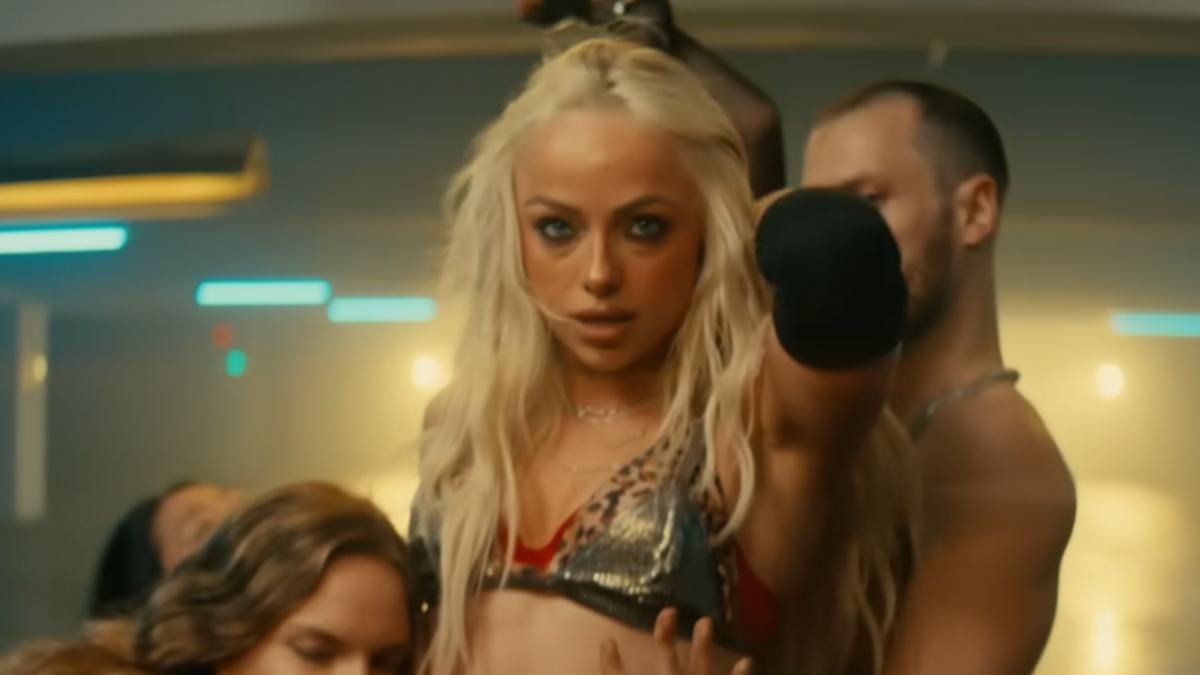
9. The 'Trouble' Music Video Rollout. Liv Morgan stepping into a 'pop star boot camp' for her high-production musical tie-in marked a distinct shift in cross-platform branding. While proponents argue it reaches new demographics, the aesthetic focus arguably distracts from the core work inside the squared circle.
8. The Rollins Injury Fallout. The 2025 Rollins situation remains a cautionary tale about utilizing reality-blurring tactics for television angles. When management leans too heavily into the 'is this real' trope, they risk exhausting the good faith of the core audience who can spot the seams in the performance.
7. The Skye Blue Pivot. Following the removal of Sareee from the bracket, Skye Blue found herself in an unplanned creative spot. This necessitated a shift that forced the promotion to lean on its mid-card depth to carry the weight of a tournament headline segment.
6. Becky Lynch’s Media Blitz. Lynch addressing the Rollins controversy on social platforms provided a rare, candid admission about the friction between booking intent and fan reception. Her directness remains one of the few reliable bridges between the corporate mandate and the internet wrestling community.
5. The Tournament Bracket Inconsistency. The fragility of the Owen Hart Cup field highlights a structural weakness in modern tournament booking. AEW’s tendency to rely on last-minute substitutions creates a chaotic viewing experience that minimizes the prestige of the trophy being contested.
4. The Branding Shift of 2026. The move toward celebrity-adjacent media projects, like the aforementioned pop star transitions, indicates a pivot toward mainstream visibility. This is a gamble that prioritizes cultural placement over traditional long-term athletic storytelling.
3. The Creative Contingency Gap. Watching the company scramble to fill gaps demonstrates a lack of sufficient Plan B talent usage. Without a deep bench of protected stars, the impact of a single withdrawal snowballs into a larger dissatisfaction with the event pacing.
2. The Summer Blockbuster Emergency Rewrite. The actual act of tearing down the card in real-time on live television is a mess the production team barely salvaged. It remains the most glaring example of a lack of risk management in an industry that demands perfection.
1. The Erosion of Fan Trust. This encompasses every moment mentioned above, specifically how management handles the intersection of injuries, stunts, and actual athletic competition. The decision to prioritize viral moments over sustained narrative integrity remains the single most impactful theme of the last twelve months.
The Big Picture
The industry currently oscillates between high-budget spectacle and the stark reality of physical performance limits. Success is no longer measured solely by the quality of the match, but by the ability to manage the fallout of unexpected disruptions.
Honorable Mentions
The unannounced mid-show interviews throughout the mid-bracket transition and the recurring confusion over tournament-eligibility rules. Both reflect ongoing frustrations with how these organizations communicate structural changes to the viewer.