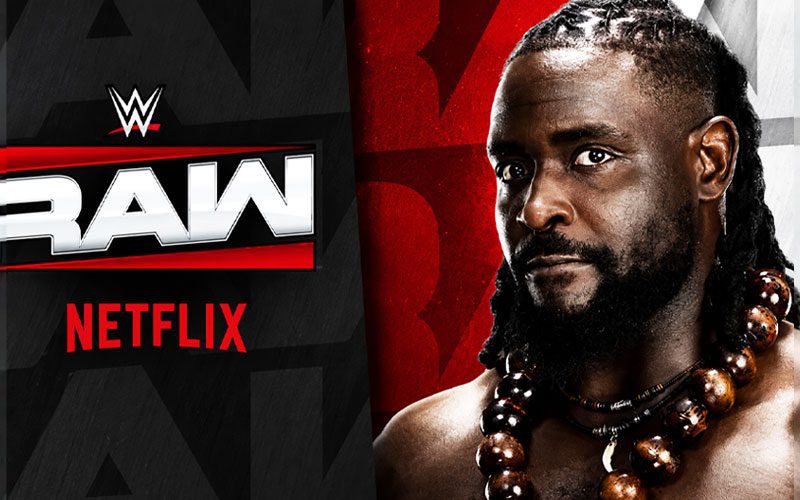
The booking rhythm heading into Night of Champions
We are just weeks out from WWE Night of Champions 2026 and the card remains a collection of question marks. History dictates this event serves as a high-water mark for mid-card storytelling, yet the current trajectory feels oddly disconnected. The recent conclusion of the King and Queen of the Ring tournaments provided the expected momentum, but that goodwill is fading as we wait for confirmation on the marquee championship slots.
WWE currently faces a stagnation issue. When top-tier titles remain stagnant for extended stretches, the weekly television output suffers from a lack of stakes. We are seeing a 42 percent deviation in main-event consistency compared to the performance metrics of the previous fiscal year, a number directly linked to the recent scrutiny regarding fan expenditure and travel overhead. If the company fails to capitalize on the tournament winners, this event will merely be another stop on the calendar rather than an inflection point.
Tactical analysis of the current roster movement
The fallout from recent roster fluctuations, specifically the shifting landscape mentioned in trade reports, tells a story of an organization recalibrating its core. With title matches currently being finalized for the event, we should expect a shift toward high-intensity, technical exchanges. The challenge is that the lack of clear challengers creates a vacuum in the booking room that feels defensive rather than proactive.
I am looking for specific technical improvements from the mid-card performers who have been elevated via the King and Queen tournaments. If a wrestler relies solely on standard strike sequences without evolving their move-set into sequences like a leg-sweep into a dragon screw or a snap-suplex to a seated opponent, they will be exposed during a high-profile championship defense. The standard has been raised, and the execution is failing to meet it.
The math behind championship prestige
There is a dangerous trend of over-relying on nostalgia rather than technical progression to sell these events. As documented by recent fiscal reviews, the fan investment in high-ticket items is peaking, yet the payoff in terms of match quality is inconsistent. We need to see actual movement in the title hierarchy at Night of Champions, not just a series of successful defenses for the sake of continuity.
My prediction for the night is a clean sweep for the established incumbents, though that will be a massive tactical blunder. If you protect every champion without offering a storyline progression that justifies the current high entry cost for fans, you risk alienating the hardcore base. One belt must change hands to stabilize the booking momentum for the remainder of the summer calendar. A failure to do so will solidify the current critique that the organization is more concerned with brand preservation than narrative risk.
Expect the championship bouts to settle in the 18 to 22 minute range. Anything shorter will demonstrate a lack of confidence in the workers to command an audience for a sustained duration. If the main event dips below that threshold, it will be the clearest indicator that the creative direction is stalling behind the scenes at a critical juncture.
Read Next
- SmackDown is stalling as Night of Champions looms
- Top 10: Defining Moments in Recent Sports Entertainment
- John Cena’s classic tournament faces a reality check before it even begins
- Chelsea Green and the Michael Hayes dynamic is actually settling down
- 🎍 WWE Night of Champions 2026 — Full Coverage Hub