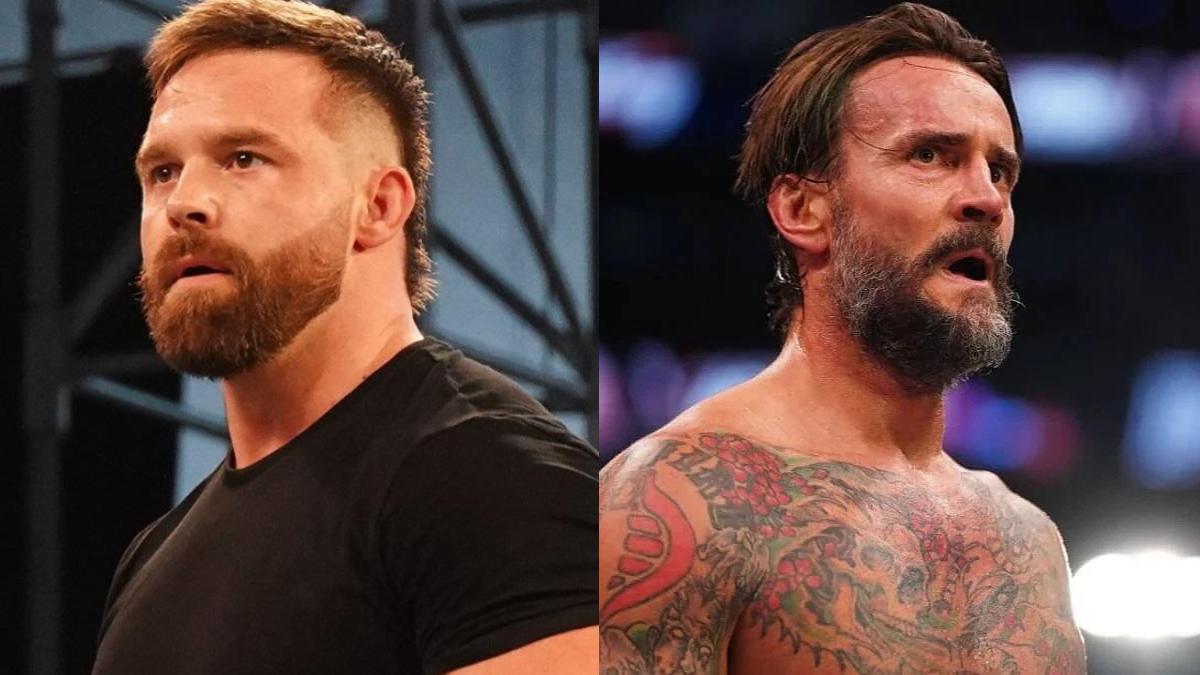
The Vision's recruitment drive is a sign of instability
When a stable loses half of its core talent to the injury list, the typical response is to bunker down, rely on veteran equity, and wait for a return to health. Not so for The Vision. Instead, they are signaling a full-scale recruitment drive heading into Night of Champions 2026. Losing Logan Paul and Bronson Reed has gutted their high-end output, dropping their combined win percentage in televised main events significantly.
This reliance on mid-card poaching suggests a lack of long-term planning. You don't overhaul a faction's structure three months into a calendar year unless the original game plan failed. By chasing depth over chemistry, they are likely to encounter the same coordination issues that defined their disastrous outing against the Bloodline in March.
Tactical flaws in the upcoming expansion
Integrating new personnel into an established act is a high-wire act that rarely rewards the desperate. If you look at the recent tape, The Vision struggles with high-tempo sequences when they cannot rely on Logan Paul's specific pacing. Without his ability to manipulate the crowd and dictate the speed of a match, they are left looking like a collection of talented individuals rather than a synchronized unit.
The announcement from WrestleTalk regarding the Night of Champions additions points to a heavy reliance on brute force to mask technical deficiencies. This is a classic miscalculation. Wrestling is won at the margins of spacing and timing, not by adding bodies to a faction that hasn't figured out its own rhythm yet.
Why the experiment will likely collapse
My prediction for Night of Champions is a disjointed performance that sees them drop a critical multi-man tag match. The defensive rotations of their opponents will easily isolate the newest members, who lack the cohesion necessary to pivot when a sequence breaks down. They need a singular leader to call spots, but the power vacuum left by injury ensures every member will be thinking for themselves.
The current recruitment strategy feels like a stopgap measure, an attempt to hit a 50% win rate while their primary stars heal. It fails to address why their secondary offense has been so stagnant. They are spending their capital on aesthetics rather than ring psychology, and that is exactly how you lose momentum in a business that prioritizes the hierarchy of the card above all else.
A critical observation: their reliance on interference-heavy finishes has become predictable. If the refereeing at Night of Champions is even slightly competent, this faction will find themselves exposed in the center of the ring. They are fighting the tide, and in the current climate of WWE, you either innovate on the mat or become the scenery for someone else's push.
Read Next