The defining beats of the squared circle
Professional wrestling thrives on the intersection of scripted narrative and genuine athletic risk. Defining a top ten list requires filtering through decades of pyrotechnics to find the moments that fundamentally altered the industry's trajectory.
This ranking focuses on seismic shifts, from business-model collapses to character debuts that shifted the cultural conversation. These are the moments that stopped the clock.
The countdown of seismic shifts
10. The formation of the nWo at Bash at the Beach 1996. Hulk Hogan turning heel wasn't just a plot point; it murdered the cartoon era of the 1980s. The industry pivoted toward a grittier adult tone overnight.
9. Mankind winning the WWE Championship on Raw in January 1999. The taped delay meant fans spoiled the result before they watched, sparking a massive ratings spike. It proved that the mid-card talent could carry the main event spotlight.
8. The Montreal Screwjob in 1997. It blurred the lines between reality and fiction so severely that the industry never truly recovered its innocence. Bret Hart leaving the company left a void that Vince McMahon filled with the Mr. McMahon character.
7. The debut of Brock Lesnar in 2002. Watching a rookie squash a veteran like Jeff Hardy established a new standard for physical dominance. His trajectory changed how the company evaluated potential stars, favoring legitimate collegiate credentials over charisma alone.
6. CM Punk's Pipebomb in 2011. The promo was a rare instance of an employee airing legitimate grievances regarding his contract status on live television. It validated the fan frustration that existed behind the velvet ropes for years.
5. The closing of ECW in 2001. Its demise marked the end of a DIY era that produced some of the most violent content in history. The loss created a stylistic vacuum that the major promotions struggled to fill until the mid-2010s.
4. The Hardy Boyz returning at WrestleMania 33. The sheer volume of the arena's reaction set a decibel record for a surprise entrance. It highlighted the power of nostalgia in an era of waning brand loyalty.
3. Daniel Bryan winning at WrestleMania 30. The booking was clearly forced by the audience, who rejected other headliners in favor of the underdog. It was an indictment of the creative team's initial direction for that show.
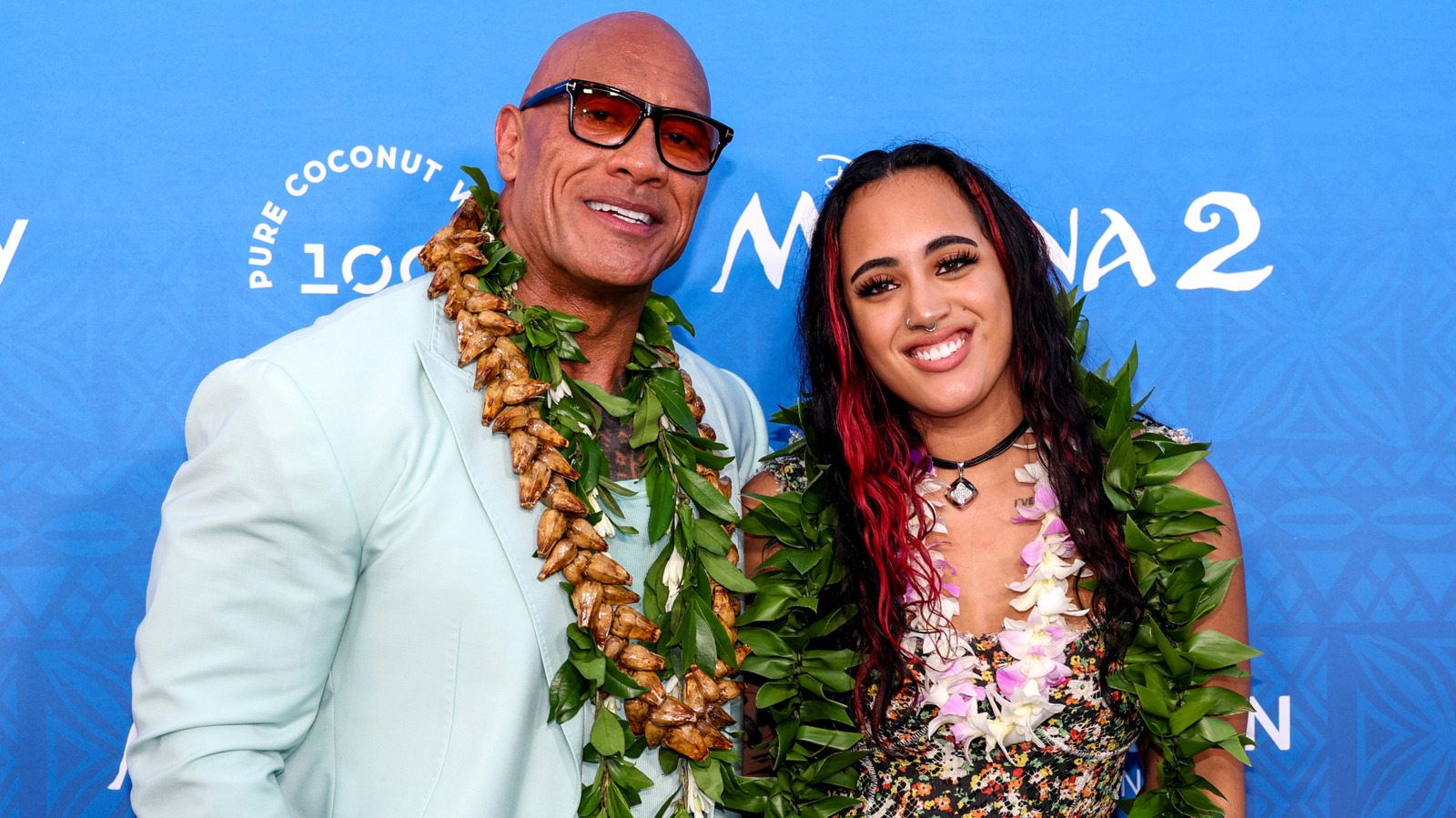
2. The Rock's corporate ascent and professional influence. As noted by recent industry commentary, the stability provided by his family structure allowed for a degree of focus unmatched by his peers. This support network enabled his transition into global cinema while maintaining a foothold in major wrestling storylines.
1. The debut of Chris Jericho on Raw in 1999. The countdown clock expiring against The Rock solidified a generation-defining rivalry instantly. It remains the gold standard for how to present a new performer to a skeptical audience.
Defining the gaps in the logic
Not every moment lands with the intended impact. The failure to capitalize on the Invasion storyline remains the biggest booking blunder in modern history. Instead of merging the two rosters effectively, the company treated the WCW talent as secondary citizens within the 0% growth period that followed the acquisition. This choice alienated fans who expected a true clash of titans, resulting in a product that felt diluted.
Furthermore, the reliance on older stars to carry major events often stunts the growth of the developmental system. NXT GM Simone Johnson has recently highlighted the importance of behind-the-scenes family support, but that cannot replace fresh talent being allowed to fail in front of a live crowd. Without meaningful change, the industry risks becoming a static museum of its own past excellence.
Ultimately, these moments are not just highlights; they are the fault lines where the ground shifted. Whether it was a botched finish or a brilliant promo, these events forced the audience to pay attention. The industry will always be driven by those who push the envelope, even when the results are occasionally disjointed or poorly executed.
Comparing these events reveals a trend toward higher-stakes broadcasting. The move from regional territories to global syndication necessitated moments that could translate across cultural barriers. We are currently seeing the results of this pressure as younger talent struggles to maintain the momentum established in these formative years. Only the performers who treat every match as a headline event survive the current schedule.