Cena’s return reality check
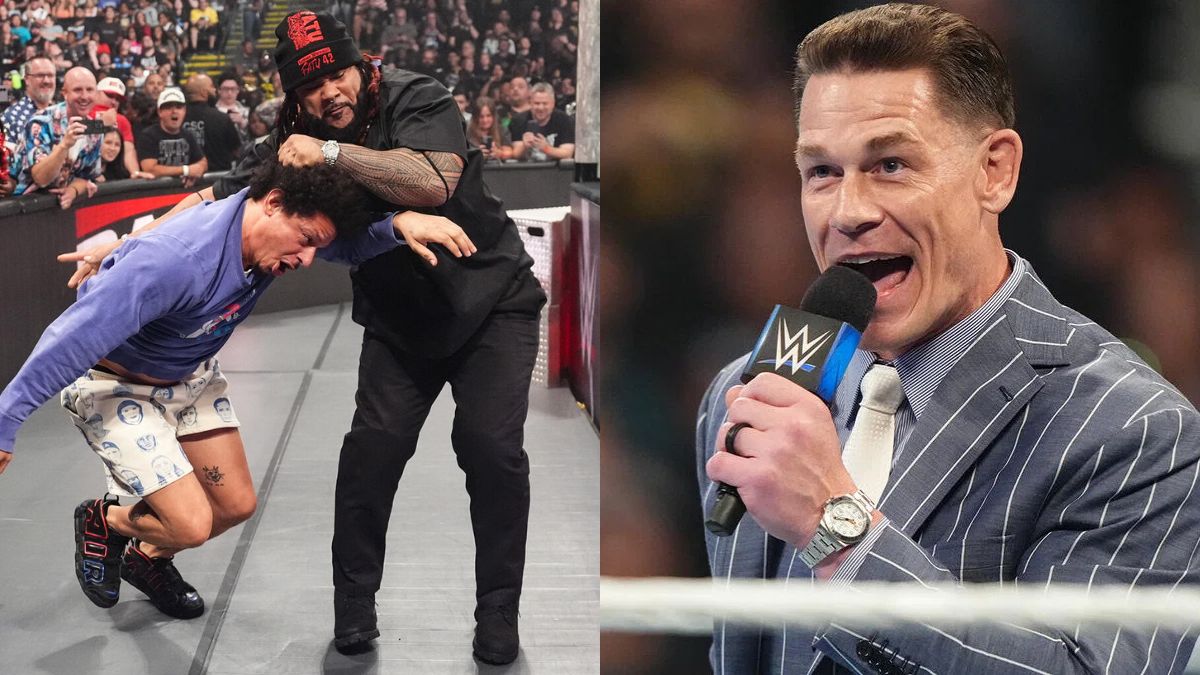
John Cena faces an increasingly difficult tightrope walk as he balances a rigorous Hollywood filming schedule with limited WWE appearances. While Cena maintains that the core performance principles between wrestling and film remain identical, the physical demand on his frame is not the same as it was fifteen years ago. WWE fans are historically perceptive, and they can spot when a performer is moving gingerly to protect a long-term investment.
The veteran performer has been vocal about his late-career transition. As reported by Ringside News, Cena argues that the audience can smell dishonesty in a performance. For a star of his magnitude, that honesty now includes acknowledging that full-time bumps are no longer viable. The risk threshold for Cena has moved significantly since his primary run ended in 2017.
The wear and tear of a legacy
Cena’s physical history includes significant surgeries that dictate his current output. He has previously navigated recoveries for a torn pectoral muscle and various neck issues that sidelined him for months at a time. Every time he returns for a short program, the expectation of high-impact spots creates a genuine medical concern for a man who is now in his late 40s.
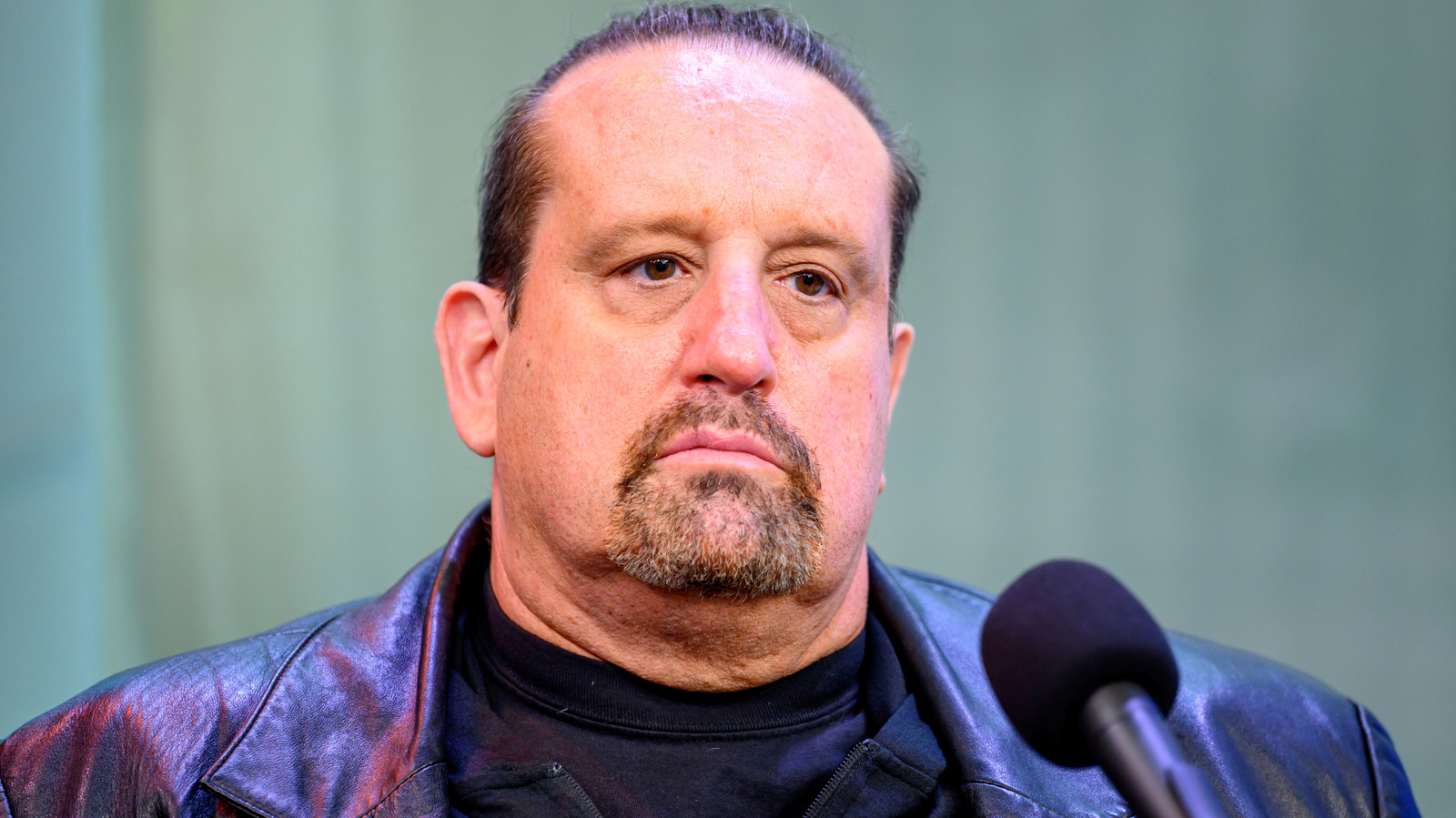
Unlike performers such as Tommy Dreamer, who recently left TNA to pursue new opportunities without referencing injury, Cena’s path is restricted by his production contracts elsewhere. Studios prioritize his health over his ability to execute an Attitude Adjustment on a concrete floor. This constraint has forced his matches to become more segmented and sequence-heavy, lacking the flow that fans saw during his 2010 to 2015 peak.
Strategic limitations in the ring
The booking of Cena today relies almost entirely on protected finishers rather than endurance. We see a lot of rest holds and minimal strikes. This is a pragmatic approach, but it often leads to a disconnect with younger fans who expect the high-octane pace of the modern era. When he enters the ring, the focus must shift immediately to the victory condition to minimize accidental collisions.
Some analysts argue this is a failure of booking. Trying to force a legacy act into modern pacing creates unnecessary liability. If the goal of his return is a final marquee run, the company might be pushing toward that outcome too fast. We saw similar burnout patterns with other transition-era stars before they were forced to retire permanently.
The impact on the roster
Competing against a part-time legend places heavy pressure on the talent assigned to work with him. They are tasked with leading the match while absorbing the burden of Cena’s protective style. If the opponent pushes too hard, they risk looking sloppy. If they move too slowly to accommodate him, the audience loses engagement.
This dynamic creates a bottleneck in the card. Significant creative energy is poured into a performer who is not present for weekly television, effectively locking a spot that could be used for building emergent talent. While Cena’s draw is unmatched, the opportunity cost for the mid-card talent waiting for their push is substantial.
Historical precedents for the final run
Historically, stars like Shawn Michaels and Ric Flair had to adapt their arsenals significantly during their final matches. Cena is currently in that phase. He is no longer the guy doing twelve-minute high-impact matches on Raw. He is a cinematic attraction, and his performances should be treated as such to avoid severe injury.
The biggest critique of this current phase is the lack of long-term development. Because the comeback window is squeezed, the emotional weight of his matches feels rushed. Building a feud over three weeks instead of three months leaves little room for the nuance that once defined his best work. It is an efficient use of his time, but it cheapens the craft he spent decades perfecting.
Ultimately, WWE is managing a volatile asset. They want the name on the poster, but they absolutely cannot afford a catastrophic injury that would sideline him for a movie shoot. The silence from the front office regarding his future health status is telling. They are treating his remaining time as a sprint, regardless of the potential for a physical breakdown.
Read Next
- John Cena is staying retired regardless of fan demand
- John Cena's post-retirement reality check isn't just nostalgia
- John Cena’s transition to part-time status and its impact on WWE metrics
- John Cena’s wrestling legacy is far more than his win column
- 🏆 WrestleMania 41 — Full Coverage Hub
- 👴 John Cena Retirement Tour 2026