The Salt of the Earth is staying off the canvas
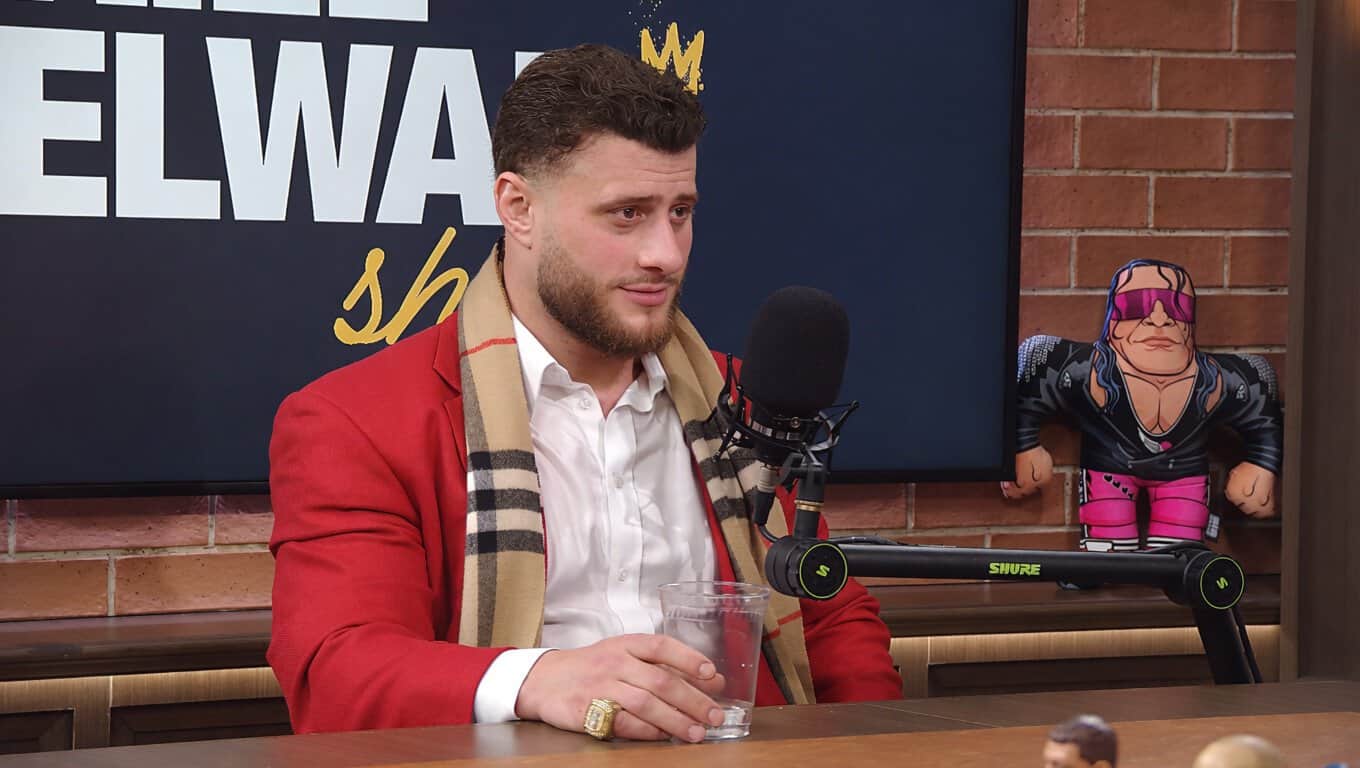
Maxwell Jacob Friedman is doubling down on his philosophy that less is indeed more. In a recent press exchange, the AEW star addressed the mounting chorus of fans demanding a more aggressive in-ring schedule. MJF made it clear he has no intention of burning out just to feed the social media news cycle.
The argument centers on the frequency of his television appearances. While some stars opt for a weekly churn of matches, the former world champion is positioning his performances as appointments rather than obligations. This is a direct challenge to the modern athletic model that prioritizes volume over scarcity.
Why the math doesn't work for him
I don't need to wrestle every single week to be the biggest star in the company. If you want to see me, pay the price of admission when I actually decide to step through those ropes.
This stance echoes his historical approach to the industry. By restricting his active bell-to-bell time, he maintains a level of mystery that most full-time roster members sacrifice by the middle of their first year. It is a calculated move that protects his character's aura from the diminishing returns of television overexposure.
However, the strategy is not without its detractors. Critics argue that professional wrestling is, at its core, a sport that requires consistent repetition to maintain momentum. When performers go weeks without a match, the argument goes, they risk losing their connection to the audience's investment in their climb up the rankings.
The reality of the modern schedule
The transition toward this lifestyle, as reported by WrestlingNews.co, highlights a growing divide. Younger talent often pushes for higher volume to secure spots on major cards, while veterans move toward the, a-match-per-month pace. MJF is asserting his status as a permanent main event fixture who no longer feels the need to prove his worth on every taping.
This is a tactical gamble. By limiting his matches to high-stakes scenarios, he risks being seen as a part-timer, a label that often breeds resentment among diehard fans. If he remains on the screen for promos but stays on the bench for matches, the creative team bears the burden of keeping him relevant without the benefit of in-ring storytelling.
What the booking office is seeing
Promoters are increasingly allowing top-tier talent this level of agency, provided the quarters stay in the black. MJF understands that his draw is the persona—the trash talk, the emotional manipulation, and the slow-burn feuds. The wrestling is merely the final punctuation on a narrative he has already built over months of television time.
Still, the industry remains wary of the long-term impact. If the biggest stars pull back on their in-ring commitments, the promotion faces an mid-card vacuum. It leaves executive producers struggling to fill the 8th, 9th, and 10th segments of shows with talent that can hold the audience’s attention as effectively as a headline name.
The friction isn't likely to vanish soon. As long as he continues to deliver high-quality segments, he will likely get his way. Yet, the moment the ratings dip, management will certainly look at his light schedule as a primary culprit for the decline.
Consistency in booking is a battleground. Some fans find the scarcity elite and high-end, while others find it frustratingly detached from the competitive spirit of the sport. MJF has effectively built a wall between his character’s ego and the fans' expectations, leaving him with total control over his narrative exit and entry points.
Whether this maintains his star power or leads to his irrelevance in the eyes of the purists remains the central question of his current arc. He is banking on the idea that the audience will follow his lead because he is the most entertaining presence in the room, regardless of whether he is holding a microphone or putting on boots.
For the rest of the locker room, this is a dangerous signal. If the most visible performers can dictate their own exertion, the entire structure of a weekly episodic program faces a realignment. It is a shifts in power, not in performance, that will define the rest of his season.
Read Next
- Top 10: 6/17 Dynamite fallout and news
- Why Kazuchika Okada might be the key to AEW's mid-year reset
- AEW Collision enters a volatile summer stretch
- AEW files for a new trademark and the Internet is predictably losing its mind
- ⚡ AEW Dynasty 2026 — Full Coverage Hub
- 🎲 AEW Double or Nothing 2026 — Full Coverage Hub