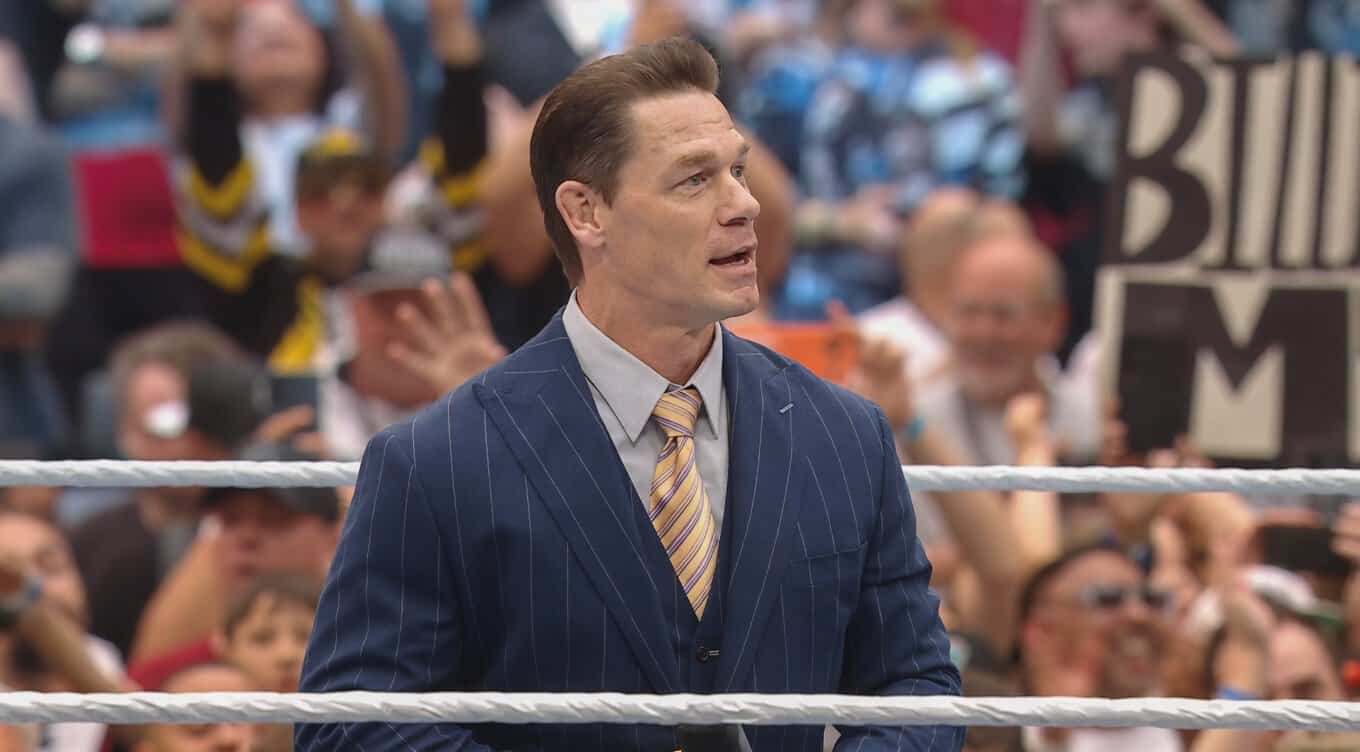
The transition from active roster to spectator
John Cena recently opened up about his transition out of the ring, reflecting on the vacuum left by his departure. For a performer who logged thousands of dates over two decades, the absence of the road lifestyle creates a specific kind of professional void. When you look at his recent comments, it isn’t the championship gold he misses most, but the kinetic energy of the live response.
This is a pivot point for a performer whose legacy defined an entire generation of booking. Cena operated on a cycle of high-impact television and grueling house show loops. Now, his commentary suggests he is struggling to adapt to the quieter rhythm of a schedule that isn't dictated by the next city on the loop.
Why the technical polish still matters
Analysis of his final active years shows a shift in gear. He moved away from the high-velocity sprint style of his mid-20s, favoring a calculated pacing that maximized crowd engagement per movement. He understood the spacing of a match better than almost anyone on the card, often manipulating the silence in arenas to build tension before a signature comeback sequence.
Critics often harp on his move set, but ignore the tactical nuance. He mastered the reset. Every time he took a heavy strike, he allowed the opponent to set the tempo before executing his counter-transition. It was clockwork precision that kept crowds invested during his 15-minute segments.
The danger of living in the past
Despite his legendary status, there is a clear downside to his current post-retirement trajectory. By focusing heavily on what he misses, he risks becoming a secondary character in the internal logic of the current product. WWE has moved toward a faster, high-risk work rate that contrasts sharply with the storytelling rhythm Cena perfected.
The data suggests that modern audiences prioritize aerial maneuvers and high-speed multi-man tags over the slower, monologue-heavy pacing that favored a performer like Cena. If he does decide to return for a one-off performance, he will need to adjust to a roster that hits harder and moves faster than the guys he worked with in 2023. Can he keep up with the 85 percent work rate density we see in current main event bouts? I’m skeptical.
My prediction remains that while he will eventually step through the curtain again, it will be as an enforcer or special guest referee rather than a full-time competitor. The toll on the body after a 20-year career is unforgiving. Taking bumps at his age is a different game entirely, and the risk of injury far outweighs the benefit of a short-term pop.
Read Next
- John Cena’s transition to part-time status and its impact on WWE metrics
- Cody Rhodes is fighting a losing battle against his own booking
- WWE is turning The Bloodline into a telenovela nobody asked for
- Nattie is betting on B-Fab and it might actually pay off
- 🏆 WrestleMania 41 — Full Coverage Hub
- 👴 John Cena Retirement Tour 2026