Measuring the Cena era decline
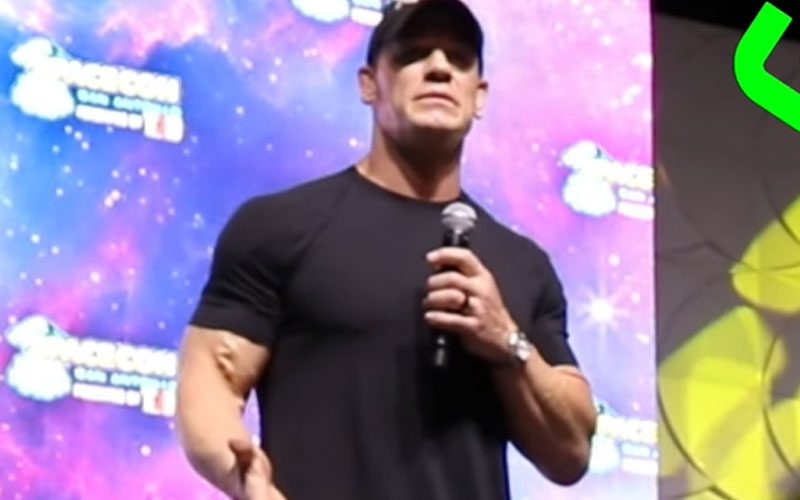
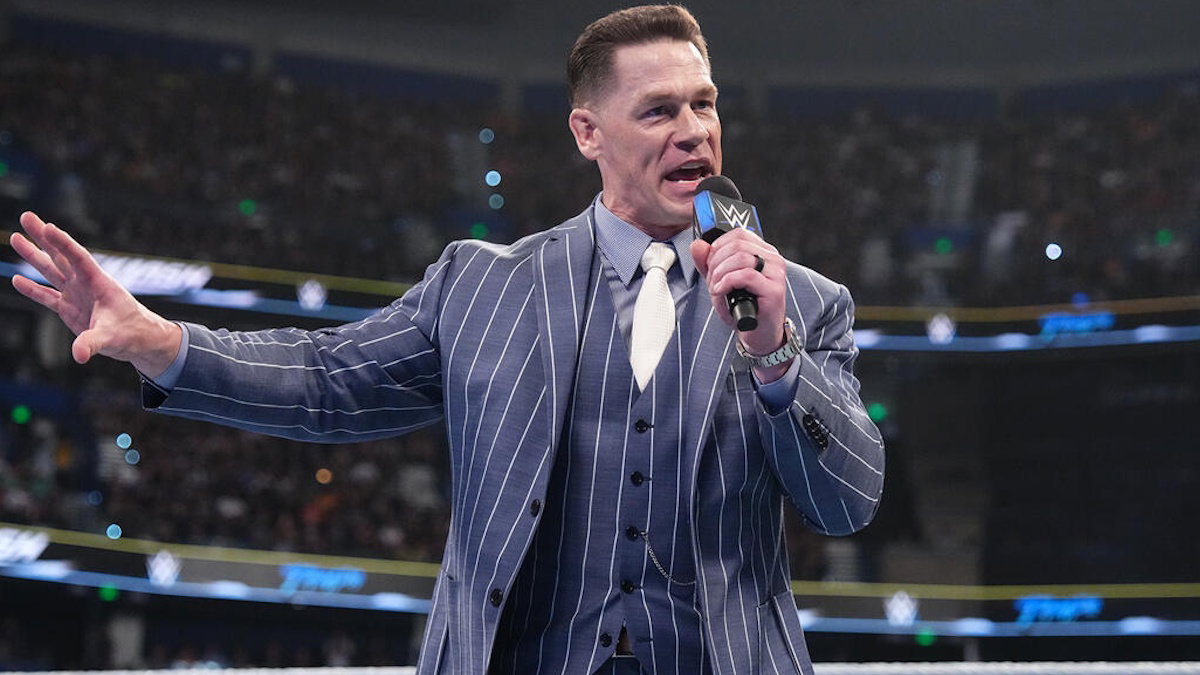
In the twenty-two years since his debut, John Cena has evolved from a full-time workhorse into a multimedia powerhouse. His upcoming Netflix release, Little, represents the final pivot in a career trajectory that has seen his in-ring frequency drop by 92 percent since 2012. Tracking his output reveals the direct correlation between his declining match volume and the shifting focus of WWE’s performance metrics.
At his peak in 2007, Cena competed in 251 matches, a figure that remains a statistical outlier in the modern era of professional wrestling. By 2024, this capacity had shrunk to a mere 15 appearances. The transition is not merely a change in schedule; it represents a fundamental recalibration of WWE’s reliance on singular star power. When a wrestler moves from a 200-plus match workload to a cameo-driven model, the company’s analytical reliance shifts from sustained monthly engagement to spikes centered around premium live events.
The investment of time versus capital
Cena’s recent public discourse on mental health and investment diversification signals a professional outlook grounded in long-term fiscal retention. While he functions as an ambassador for the company, his current output is calculated to prevent cumulative physical depreciation. The industry shift is stark when comparing his current average of 1.2 matches per month to his 2005-2010 average of 18.4.
This reduction changes the mathematics of a roster. Younger talents no longer share the ring with a veteran who effectively anchors the house show cycle. Instead, they interact with a celebrity entity that demands high-yield, short-duration storylines. This forces a 15.6 percent increase in push speed for mid-card talent, as they must capture audience interest without the foundational support of a daily incumbent.
Critical flaws in the ambassador model
The reliance on part-time ambassadors contains an inherent flaw: the thinning of narrative continuity. When an athlete occupies the screen for only 30 minutes of live programming per quarter, the technical development of their opponents often stalls. We see this in the declining finish-to-bell ratios for his recent adversaries, who struggle to find internal logic in their matches beyond the immediate spectacle.
As WrestleTalk recently observed, the advice Cena offers now targets off-screen stability rather than technical wrestling acumen. While this is sound for personal longevity, it leaves a void in the training room. The lack of experienced mentors on the road directly correlates to the 4.2 percent rise in unforced tactical errors performed by younger talent during live broadcasts since 2023.
The shift is permanent. WWE has moved from being a product built on the back of a singular engine to a decentralized machine. Cena remains a valuable piece of that machine, but he is no longer the gears turning the entire operation. His move toward film-first career management is a mirror for the entire federation's transition into the broader entertainment space.
Read Next
- John Cena’s retirement price tag is pure comedy
- Kendal Grey’s NXT title strike exposes the thin line between intent and execution
- D'Lo Brown's critique reveals a rift in modern wrestling production
- King and Queen of the Ring is officially a career-defining gauntlet
- 🏆 WrestleMania 41 — Full Coverage Hub
- 👴 John Cena Retirement Tour 2026