Cena offers a blunt excuse for the Rhodes altercation
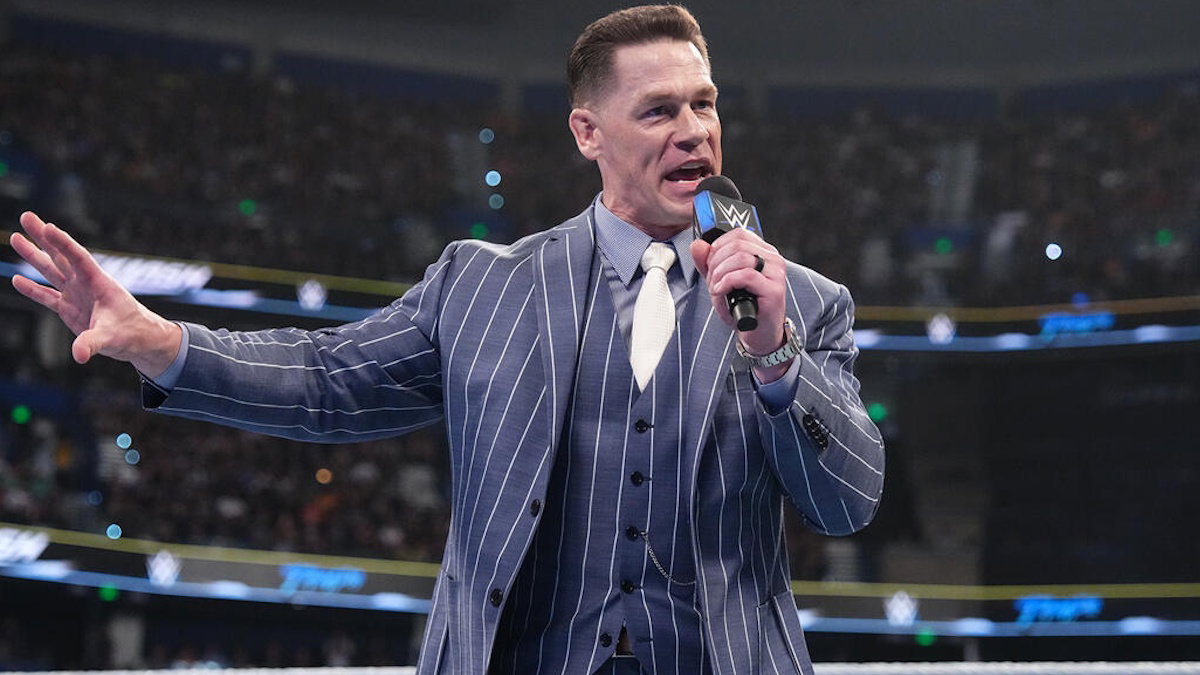
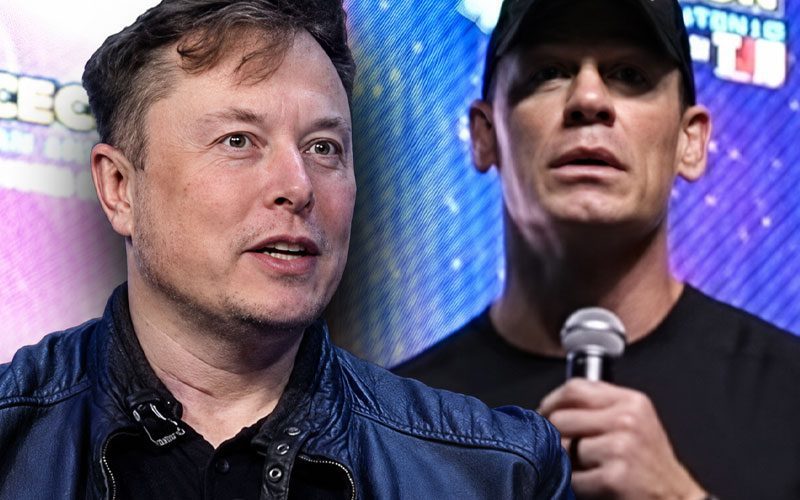
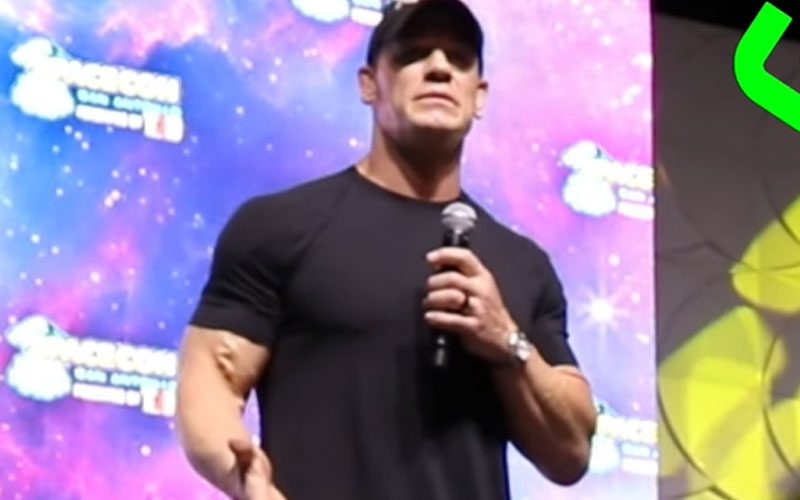
In a recent discussion regarding his unexpected physical outburst toward Cody Rhodes, John Cena has offered an explanation that sidesteps the typical narrative of professional rivalry. Instead of pointing to a championship hunt or a long-standing creative dispute, the 16-time world champion attributed his volatile behavior to a midlife crisis. The admission has caught the locker room off guard, as most superstars typically rely on scripted motives for such high-profile confrontations.
Cena noted that the intensity between himself and the current top star of the industry, as reported by Ringside News, was not driven by professional ambition. He described the moment with a candor rarely seen in sports entertainment, framing his interference as a psychological lapse rather than a strategic career move. This shifts the focus from physical wrestling mechanics to the mental toll of a two-decade career.
Why the explanation misses the mark
The reasoning feels thin for a veteran who has navigated every major headline in the business since 2002. While Cena has often used dry humor to deflect direct questions, labeling this friction as a personal breakdown feels like a deliberate attempt to burn a bridge without offering a clear reason for the smoke. Wrestling fans are accustomed to kayfabe justifications, but this pivot toward a personal grievance feels disjointed at best.
I just beat up Cody Rhodes because I was having a midlife crisis.
The bluntness of this quote highlights the divide between the current product and the era Cena dominated. If this was intended to generate sympathy for a veteran struggling to stay relevant, it likely failed. Instead, it positions Cena as a chaotic element interrupting the current momentum of a roster that has been thriving without his constant presence.
Industry reaction and the booking reality
Industry insiders are already questioning if this stems from real-world tension. When a legend of Cena’s stature lays hands on the active face of the company, it usually requires a follow-up story that justifies the heat. If there is no plan for a televised program, then this looks like a booking mistake that served no one.
We have seen veterans return to elevate new stars, but this encounter did the opposite. It muddied the waters for Rhodes, who is currently managing the internal pressures of being the champion. By framing the conflict as a midlife crisis, Cena effectively minimizes the stakes of their physical engagement. It turns a potential marquee match into a footnote.
The lack of a coherent narrative makes the situation feel amateurish. If this was a scripted angle, someone on the creative team needs an audit. If it was an unscripted incident, the management response has been suspiciously quiet. A superstar of his status owes the audience a clearer rationale than a vague, self-deprecating joke about aging.
Furthermore, the physical toll on both participants cannot be ignored. Cena has spent years playing the role of the part-time savior, while Rhodes is working a punishing schedule of house shows and television tapings. Disrupting that rhythm with an unprovoked attack during an off-camera moment is reckless. It raises concerns regarding the safety and environment of the backstage area when industry legends are allowed to insert themselves into active storylines without a pay-off.
The skepticism is warranted given the current state of the main event scene. Stars are trading blows for specific, tangible goals: the belt, the top spot, or personal revenge. When you remove those stakes, you are left with nothing but egos clashing in an empty hall. This incident serves as a reminder that even the biggest names in the business can lose the plot when they step back into the circle after a prolonged absence.
Final assessment: The incident lacks the narrative weight expected of a generational talent like Cena. Unless this leads to an actual match, it is just noise. The industry moved on to the Rhodes era months ago, and Cena’s late intervention feels like an unwelcome distraction from the work being done in the ring every week.
We are left waiting to see if there is any real fallout or if this is merely a case of a legend failing to read the room. Based on current information, don't hold your breath for a logical resolution. This is a classic case of a veteran overstaying his welcome in a storyline that didn't need his input or his hands. The numbers speak for themselves; the last time he felt this out of sync was during the 2017 program with Roman Reigns. Let us hope he finds his footing before his next appearance.
Read Next
- John Cena’s transition to part-time status and its impact on WWE metrics
- John Cena’s retirement price tag is pure comedy
- Cody Rhodes managing pectoral tear ahead of SummerSlam 2026
- Why a Cody Rhodes - Dustin Rhodes reunion in WWE is off the table
- 🏆 WrestleMania 41 — Full Coverage Hub
- 💥 WWE Backlash 2026 — Full Coverage Hub
- 👴 John Cena Retirement Tour 2026