The revolving door of AEW loyalty
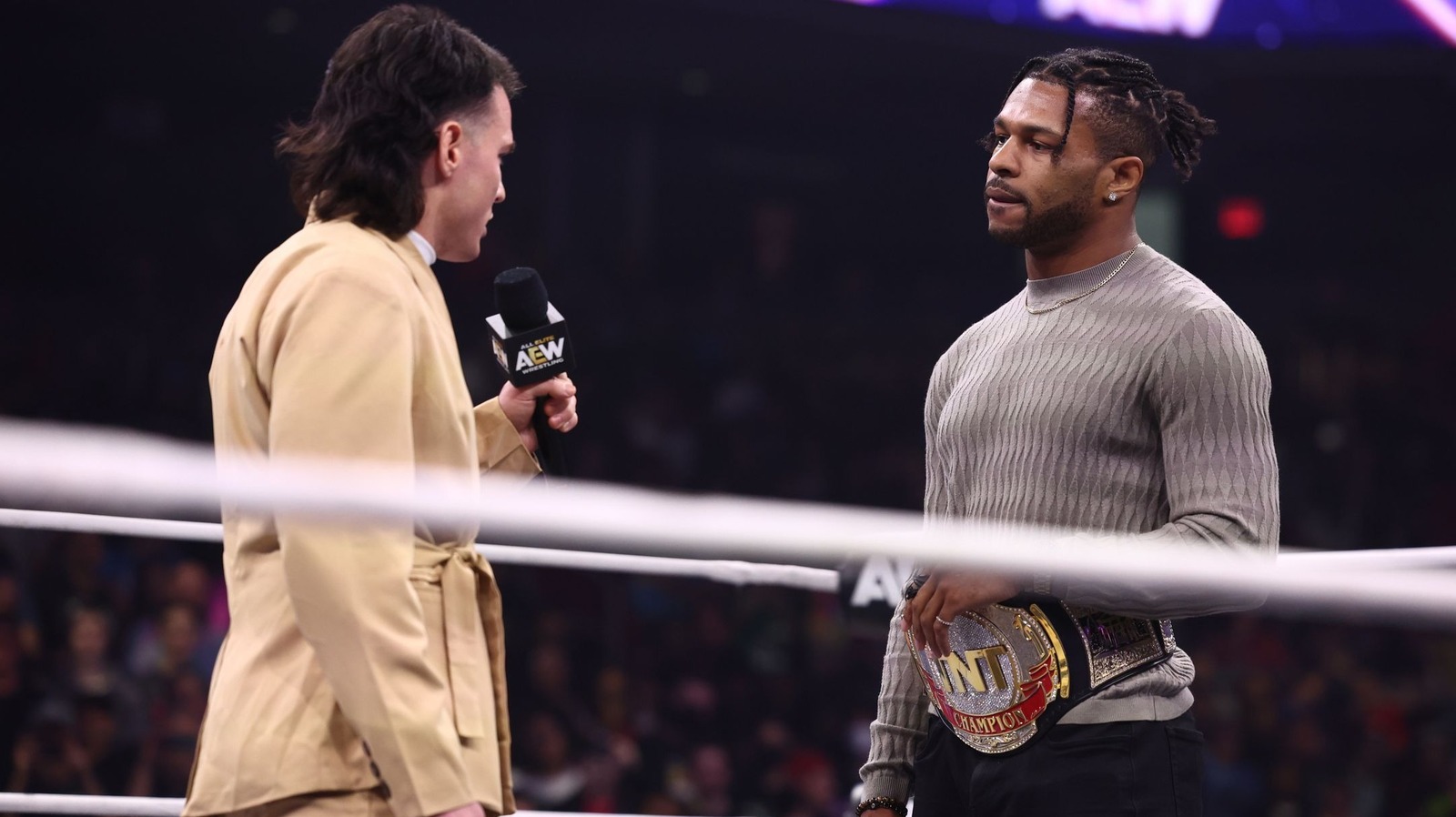
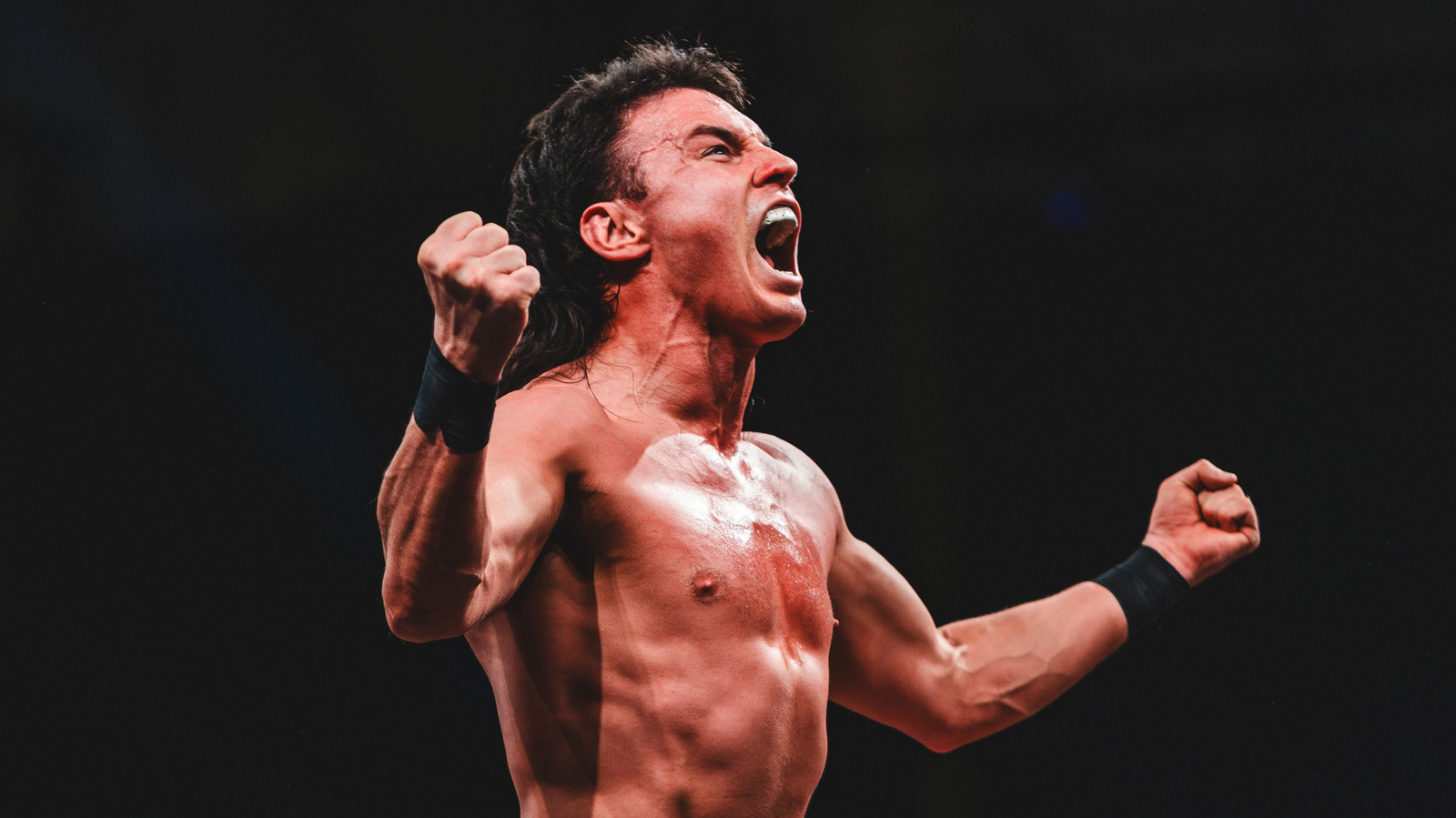
If you haven't been paying attention to the absolute carnage happening in the mid-card, you’re missing the best reality show on television. Speedball Mike Bailey has officially reached his breaking point. He’s taking the mic to air out a list of grievances that sounds like a scorned lover’s diary written in a damp wrestling locker room.
We all know the story by now. You come into a new promotion, you shake hands, you hit a shooting star press, and you assume the guys behind you have your back. Mike Bailey found out pretty quickly that in this version of professional wrestling, friendship is about as stable as a house of cards in a hurricane.
The Myron Reed predicament
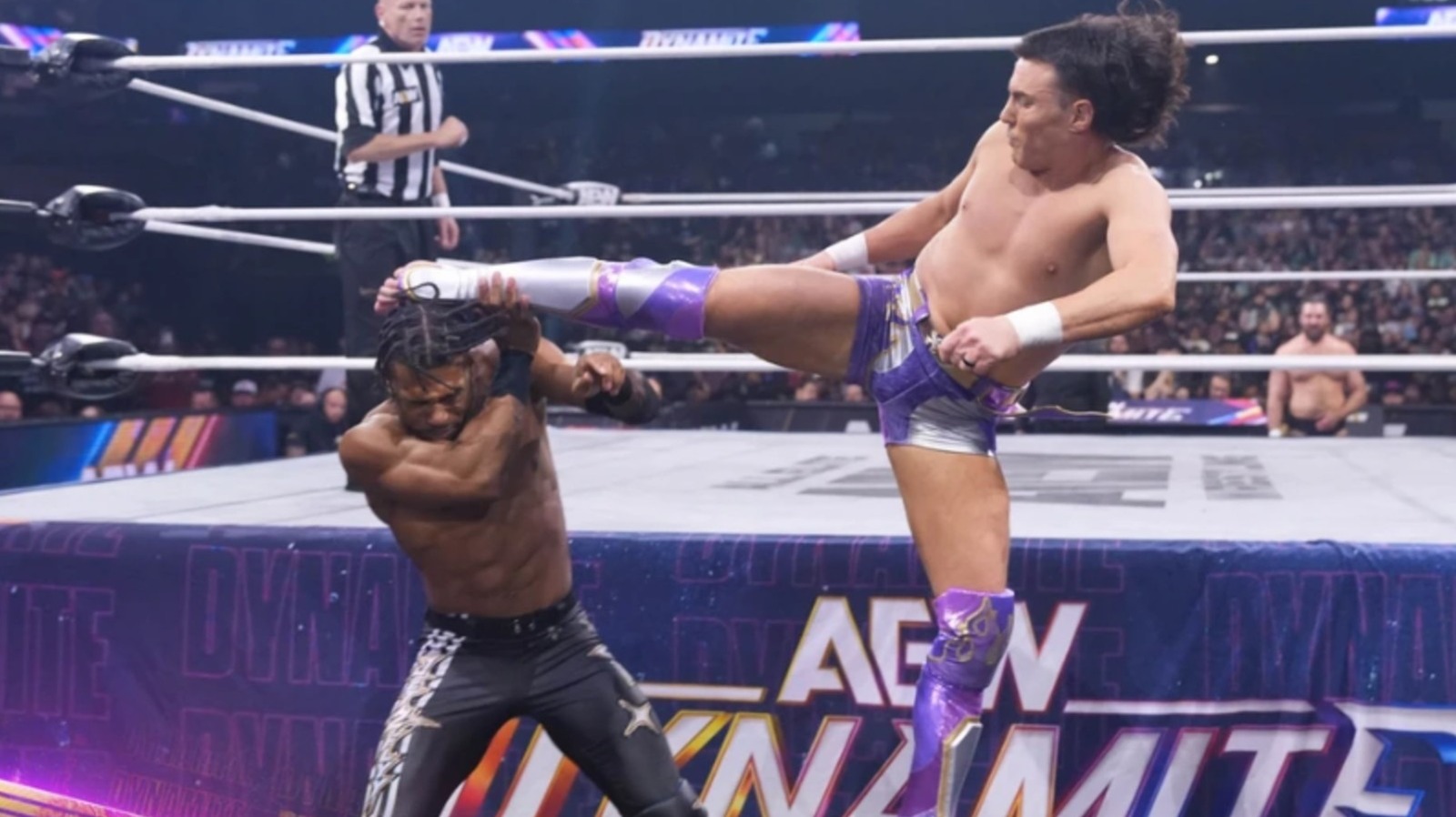
Bailey isn't just venting for the sake of it. He’s actively trying to keep Myron Reed from walking into a shark tank. Reed is slated to face Kevin Knight, and Bailey — having been chewed up and spit out by the very machinations he’s warning against — is screaming from the rafters.
It is a rough spot to be in. Watching recent reports on his frustrations, it is clear that Bailey feels the company culture has turned into a game of musical chairs where the losers get hit with a steel chair. He sees the patterns that others ignore.
Why the booking feels so disjointed
There is a glaring flaw in how this is being handled. When you have a talent as agile and technically sound as Bailey getting relegated to the role of the neighborhood watchman, you are wasting prime screen time. You want to see him hit a Flamingo Driver, not hear him list his enemies like Arya Stark.
The creative team seems to have forgotten that we tune in for the action. Sure, the drama adds flavor, but after the 14th minute of promo time spent discussing backstabbing, you start to check your phone. It is a classic case of over-booking a simple narrative into a recursive loop.
Myron Reed has talent, but he is getting lost in the shuffle of Bailey’s existential crisis. If he goes out there and drops the match to Kevin Knight, the optics are going to be disastrous. You cannot have veterans complaining about politics while letting the prospects get squashed without a payoff.
The reality check for the locker room
This isn't just some work-shoot nonsense designed to pop a rating on a Tuesday. It highlights a weird tension behind the stage. Bailey is genuinely tired of the churn, and his public call-outs are probably going to land him in the doghouse with the powers that be.
Kevin Knight represents the younger, hungry demographic that management seems obsessed with pushing, regardless of the logic. If you are Bailey, you have to look at the scoreboard and realize you are playing a game where the referee is bribed by the opponent. That is a dangerous place for any performer to be.
We have seen this narrative play out before. A veteran gets frustrated, speaks his mind, and ends up on a collision course with a wall of administrative silence. It is a tale as old as the territory days, but updated with better production quality and worse social media fallout.
Ultimately, if Bailey keeps hammering this angle, he is going to find himself on the business end of a forced vacation. Wrestling survives on these kinds of rivalries, but only when they lead to a payoff that actually moves the needle. Right now, this feels like a spinning wheel of frustration with nowhere to go.