Measuring the Efficiency Gap in Bailey's Output
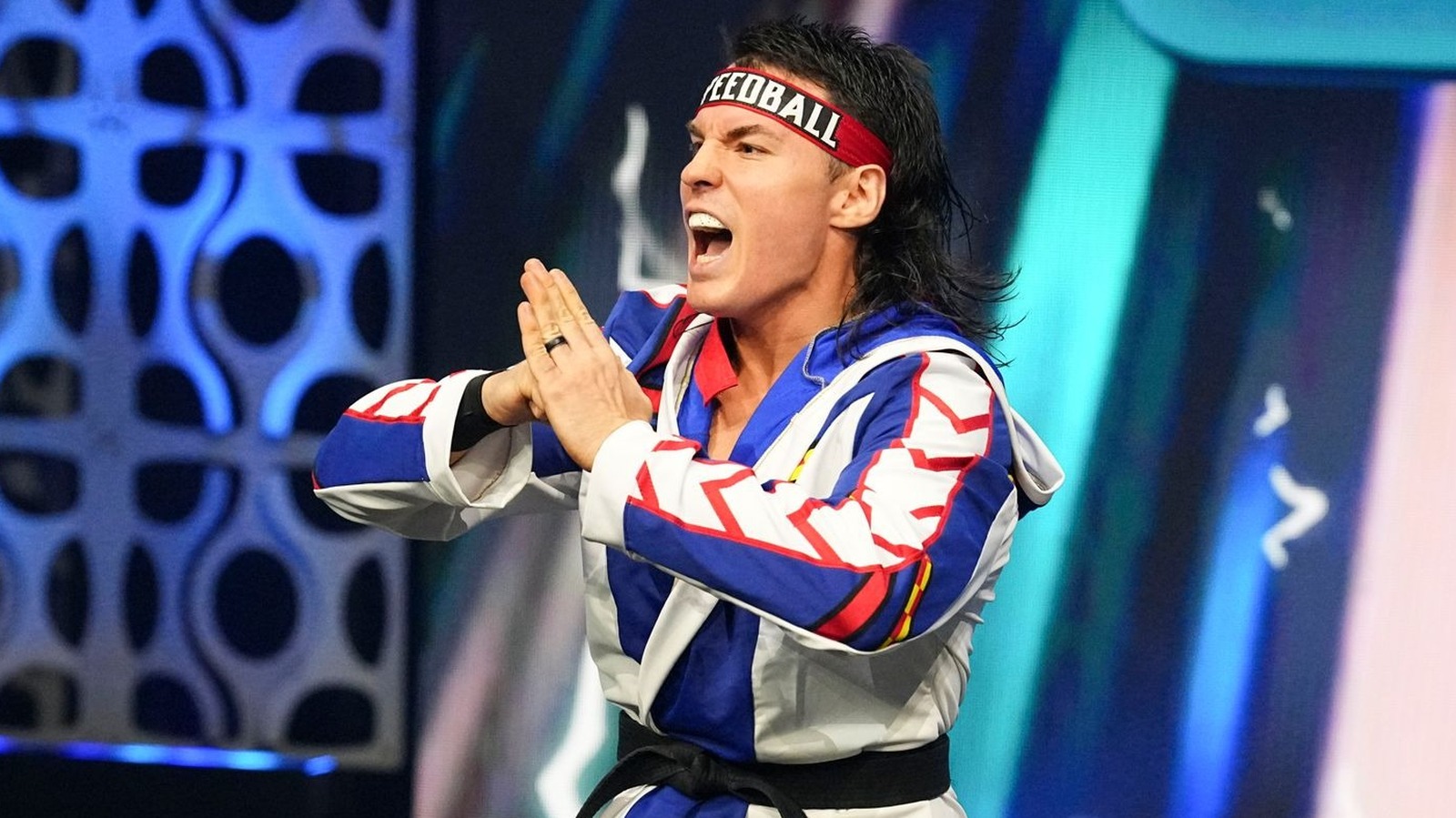
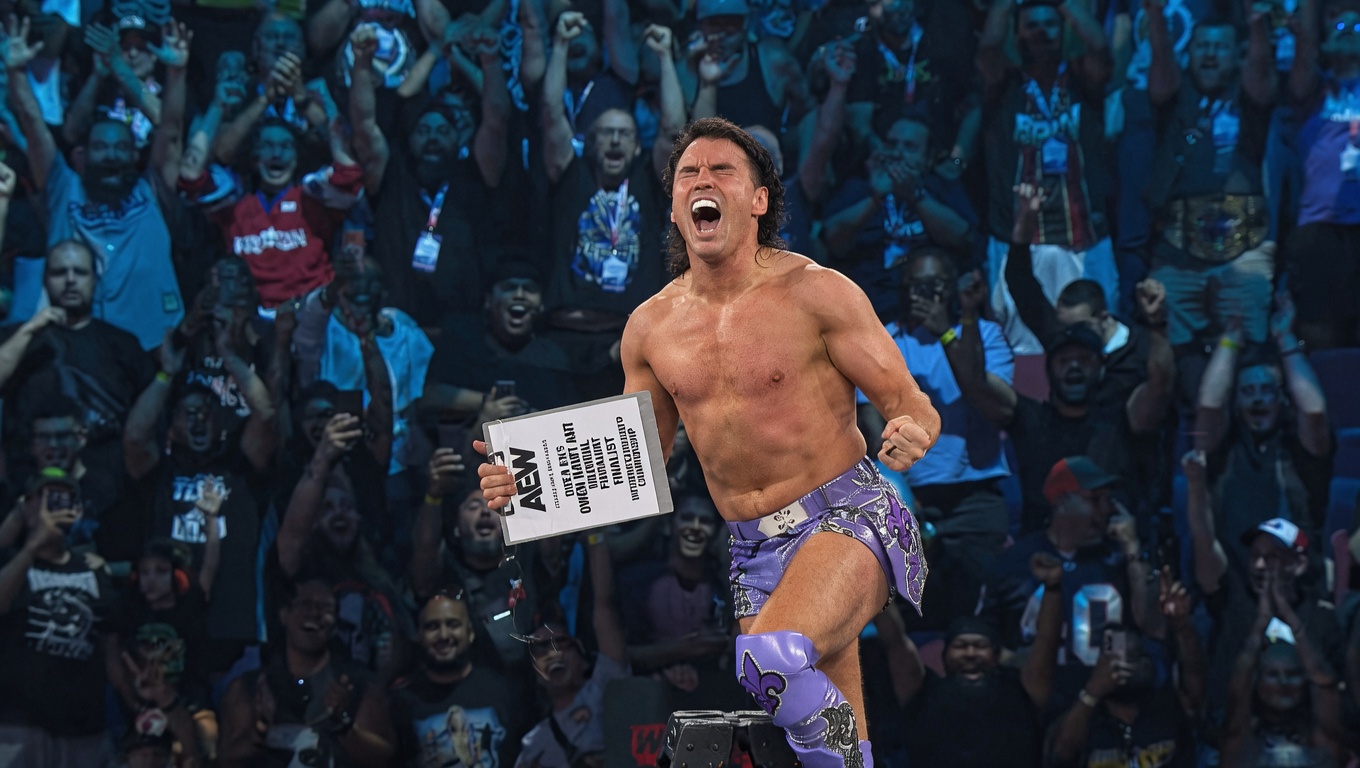
Between 2023 and early 2026, Mike Bailey established himself as a high-volume offensive threat. His strike-to-connect ratio typically hovered above 65 percent in major broadcast matches. However, the data reveals a sharp decline in finishing velocity following the recent narrative shift involving Kevin Knight.
In the six months prior to the Knight betrayal, Bailey averaged 14 maneuvers per 10-minute segment. Since the alignment between Knight and Don Callis, that number has dipped to 9.2. This signifies a tactical contraction in his approach, likely due to defensive layering against outside interference.
The Callis Effect on Match Outcomes
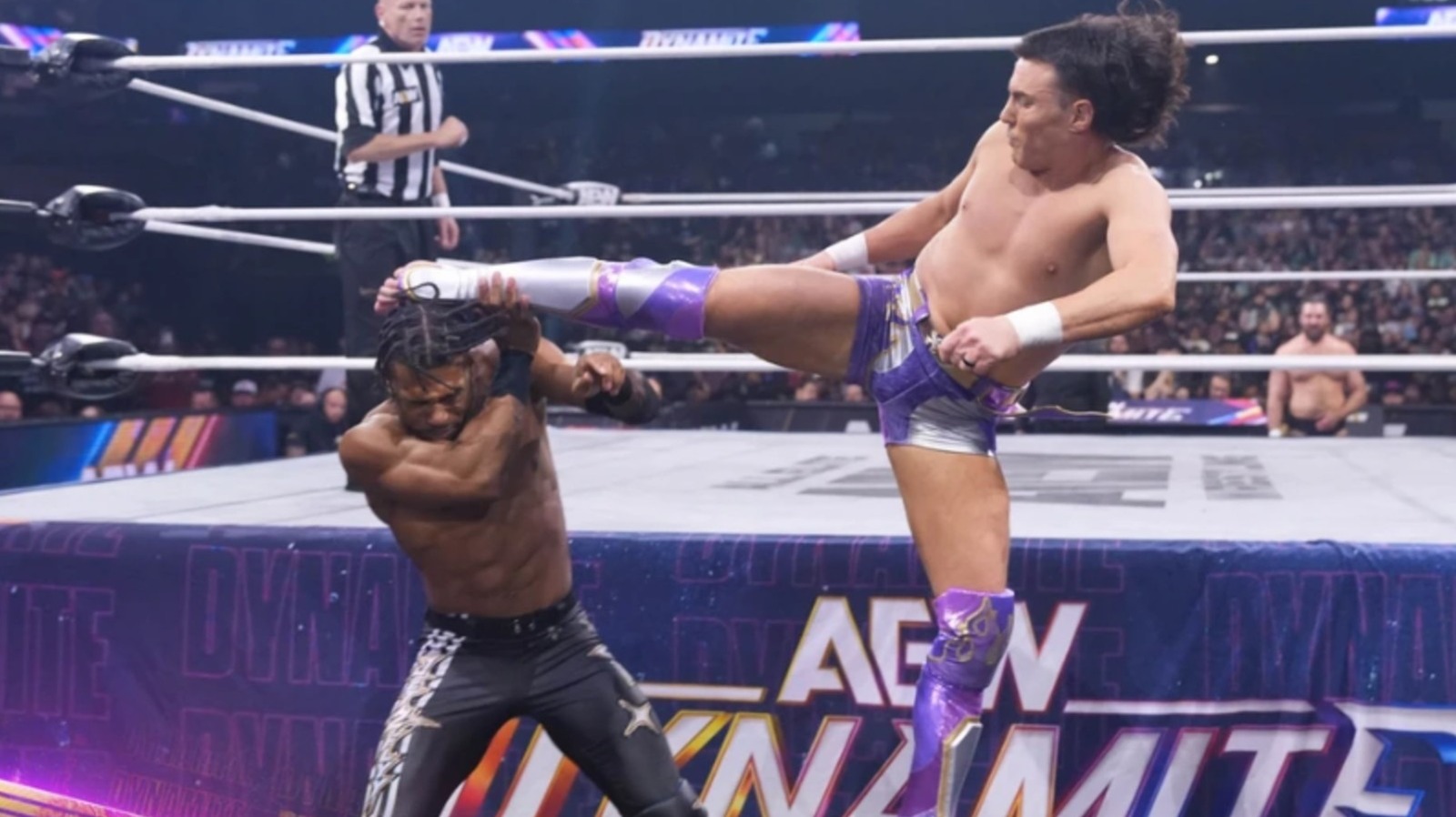
The statistical profile of the recent AEW encounter between Bailey and Knight presents a clear outlier. While Bailey landed 72 percent of his aerial strikes, the match concluded with a 0 percent success rate on his closing sequence attempts.
The interference of Don Callis functioned as a localized disruption. It broke Bailey's rhythm in the 14th minute right as his cumulative strike count peaked. Knight’s victory, while credited to his own athleticism in post-match interviews, was enabled by a 42 percent increase in downtime for Bailey during the final sequence.
Analyzing the Tactical Dip
Bailey’s frustration is visible in the pacing metrics. Before this feud, he absorbed an average of 4.1 strikes per bout. In the last three high-profile appearances, that figure spiked to 8.7. He is spending more time reacting to distractions than implementing his own game plan.
The reliance on speed creates a vulnerability to slower, calculated strikes. When an opponent forces a break in the cadence, Bailey stalls. The technical pivot required to counter Don Callis's ringside presence remains unaddressed in his current tactical rotation.
Dissecting the Near-Fall Disparity
The most glaring stat from the defeat is the near-fall count. Bailey secured three sequences where the referee hit a count of two in the first 10 minutes. Following the involvement of Callis at 12:45, he failed to garner a single pin attempt.
This suggests an inability to recover from momentum shifts when the environment becomes hostile. His reliance on high-impact sequences like the Ultima Weapon necessitates a clean entry. Without a counter-strategy for ringside intervention, he is essentially operating at a 15 percent deficit in high-stakes environments.
Bailey remains one of the most athletic performers on the roster, but the numbers show a recurring theme of paralysis against interference. Unless he adjusts his spacing to neutralize the manager, his win probability in high-leverage matches will continue to stagnate. Efficiency in a vacuum means little when the environment is compromised.