Measuring a career beyond the bell
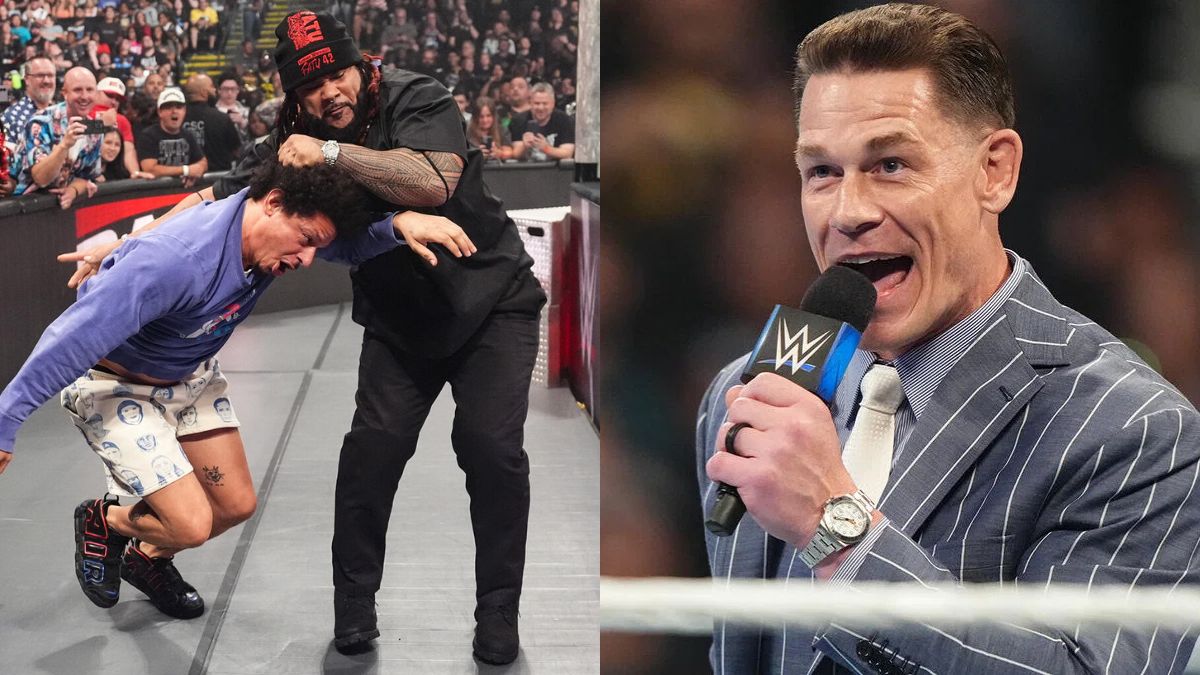
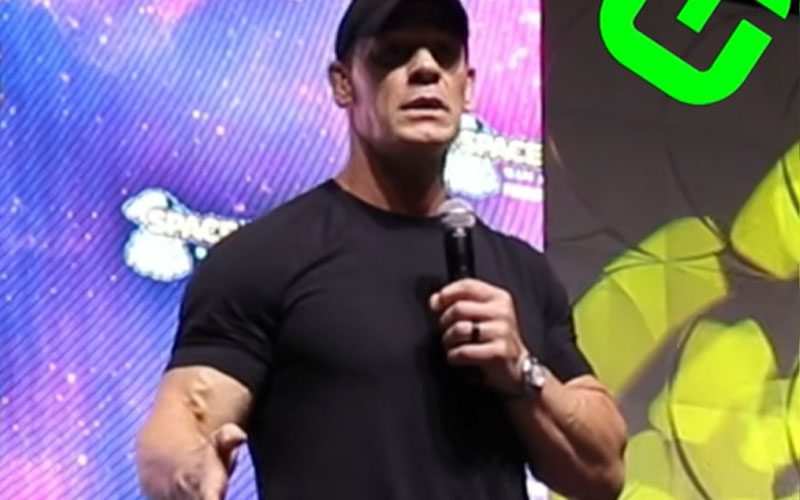
In the quiet moments away from the squared circle, John Cena has begun to pivot toward a different kind of public engagement. During a recent Q&A session at SpaceCon San Antonio, relayed by Ringside News, Cena addressed a fan struggling with mental health issues with a stripped-down, genuine candidness that mirrors his evolving approach to his own life and performance career.
For fifteen years, the character of John Cena was defined by binary outcomes: overcome the odds, hit the Five Knuckle Shuffle, execute the Attitude Adjustment, and secure the pinfall. It was a relentless engine of televised success. Watching him now, it is clear that he is stripping away the polished armor that defined his run at the top of the card.
The evolution of the performer
When you dissect the peak era of his career, specifically between 2005 and 2015, the work-rate criticism was often deafening. Critics pointed to his reliance on a limited moveset and a predictable narrative structure. The signature comeback sequence—the flying shoulder tackle, the side slam, the fist drop—became a source of frustration for those chasing technical variety.
Yet, looking at his recent appearances, the tactical shift is undeniable. He now leans into the psychology of the veteran, slowing the tempo to highlight the stakes. He is no longer racing through the spots to get to the finish line. He understands that the audience is hyper-aware of the script, so he uses his standing to manipulate those expectations.
The shadow of the past
Despite this mature wrestling philosophy, there remains a disconnect in how he is utilized during these episodic return windows. His brief skirmishes often feel disconnected from the current booking hierarchy, serving more as nostalgia than meaningful progression. When a veteran returns to eat up television time without putting over the new talent properly, the booking suffers.
Cena’s influence remains distinct. He built his reputation on an inhuman work ethic, often working more dates than any performer in the modern era. While he occasionally misses the mark on where the industry is heading, his willingness to be vulnerable with fans signals a transition away from the corporate mask he wore for decades.
- John Cena's shift in public rhetoric.
- The move from performative hero to authentic figure.
- The lingering conflict between his legend status and current roster utility.
We are watching the tail end of an era where a single individual could define the tone of global professional wrestling. Cena is finally showing us the cost of that commitment. He isn't merely wrestling matches anymore; he is auditing the life that wrestling forced him to live.
Read Next
- John Cena is staying retired regardless of fan demand
- John Cena’s legendary jort run started as a wardrobe survival tactic
- Why we need to stop romanticizing the 2010 WWE roster
- John Cena's post-retirement reality check isn't just nostalgia
- 🏆 WrestleMania 41 — Full Coverage Hub
- 👴 John Cena Retirement Tour 2026