The shadow of the fan vote
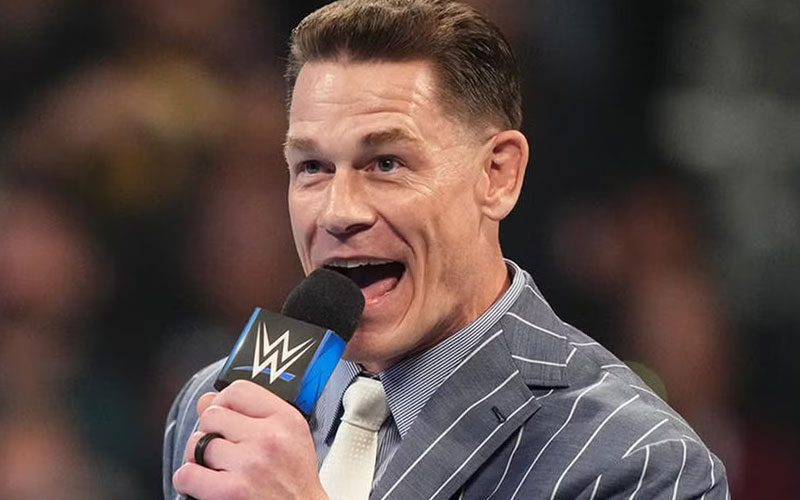
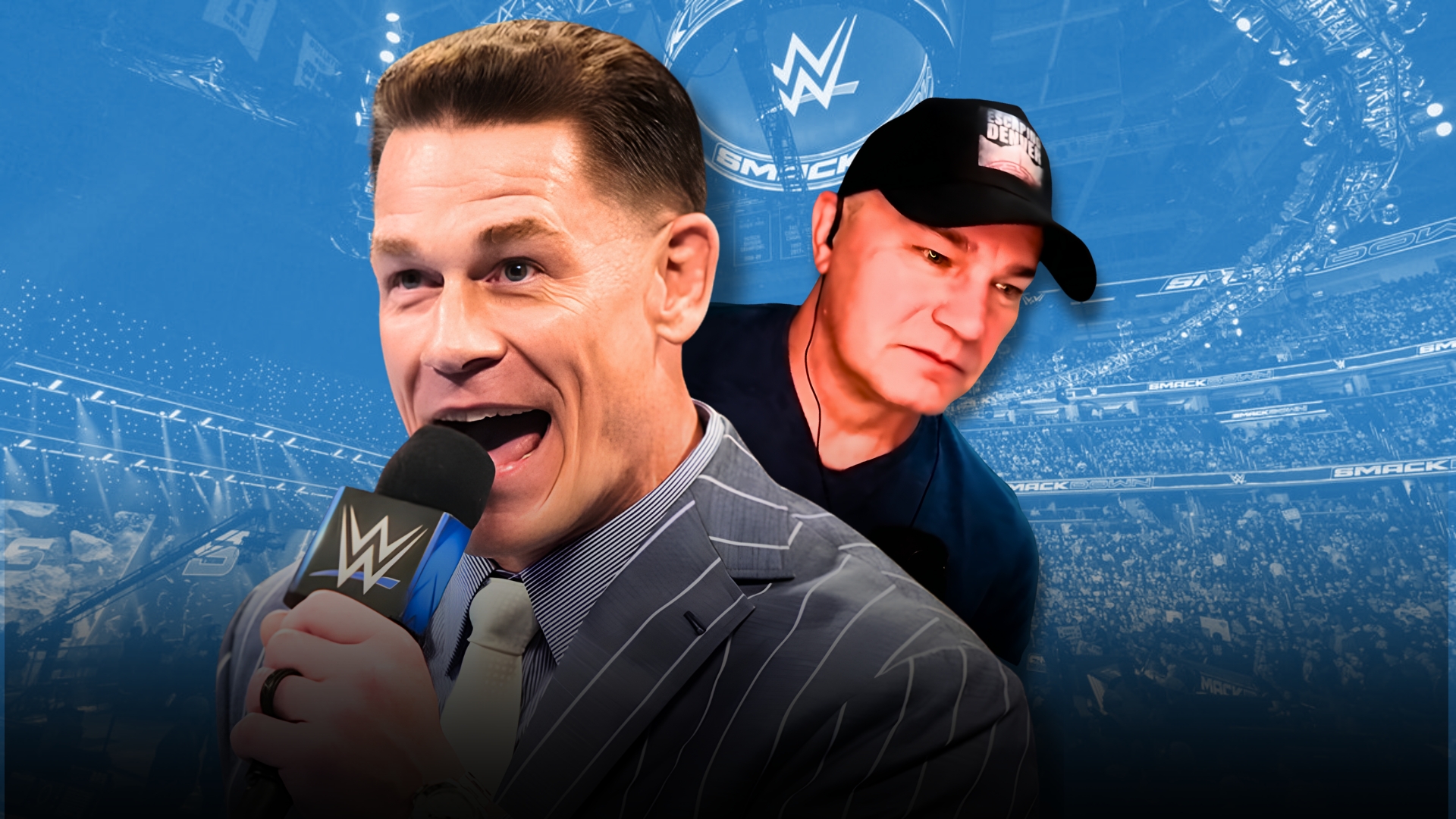
The announcement of the John Cena Classic at WWE Backlash felt like a moment of genuine intent for the company. John Cena has been clear about his vision, but the logistics surrounding the fan-driven element remain a primary point of friction for the creative office.
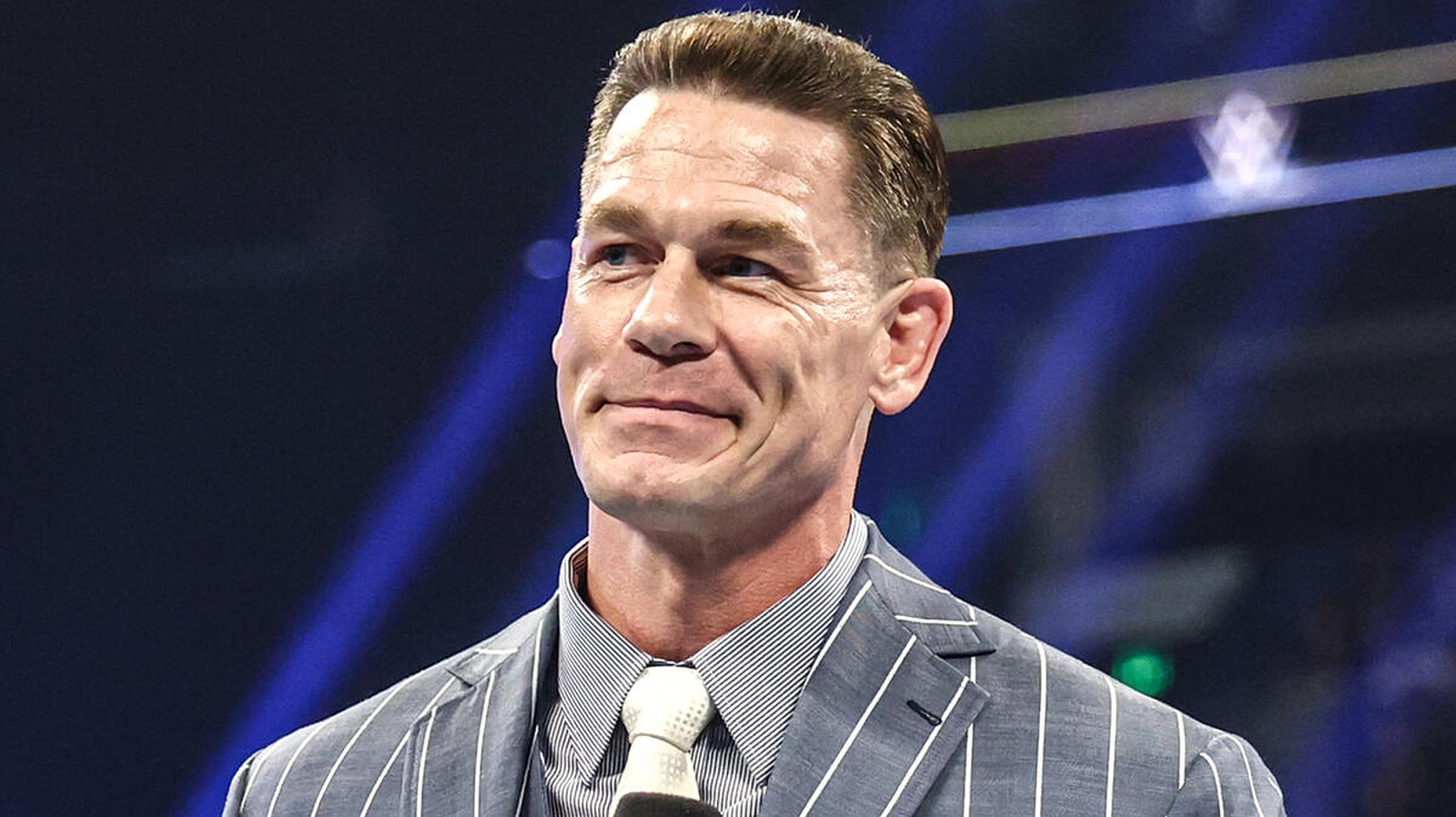
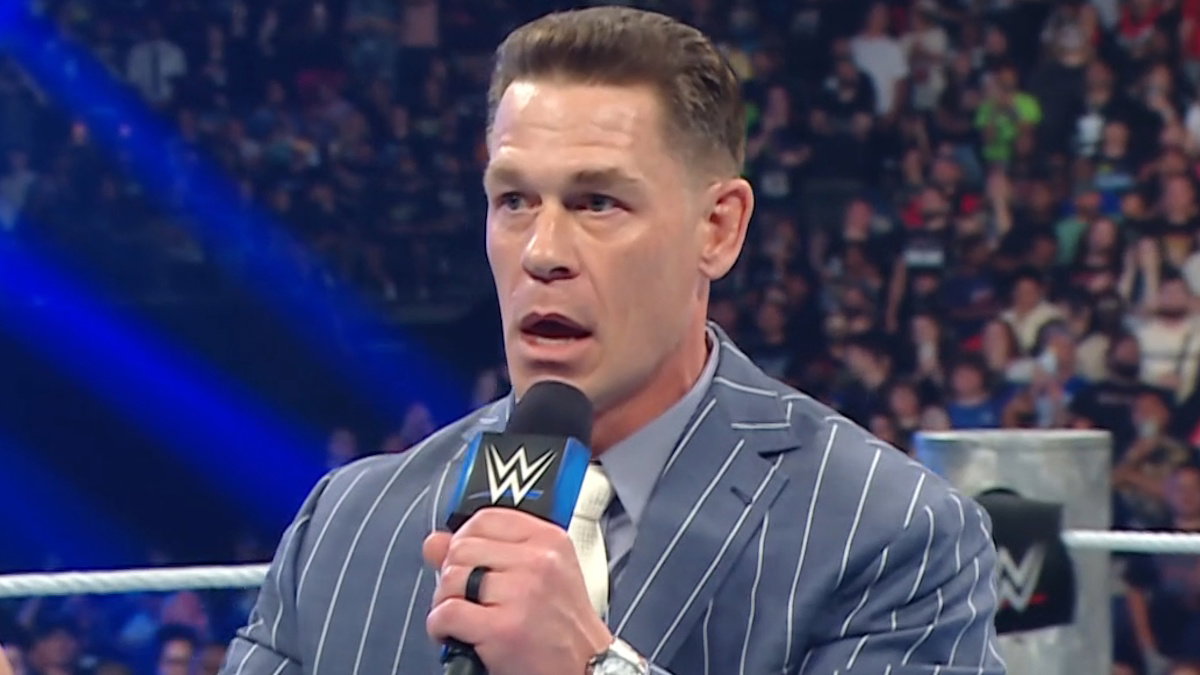
Cena recently addressed the mechanics of the event, specifically the fan vote. He is admittedly terrified of the outcome being compromised by bad-faith actors. If the goal is to highlight technical precision and ring psychology, delegating selection power to an anonymous digital electorate is a high-risk maneuver that could backfire by the 100% mark.
We have seen John Cena’s public reservations regarding this rollout. He expects a degree of competitive integrity that the modern internet rarely provides. If the audience decides to subvert his vision for a farce, the entire credibility of the inaugural bracket vanishes.
Tactical considerations for the bracket
From a purely technical lens, the success of this event rests on the personnel assigned to the tournament. A pure wrestling showcase requires participants who understand pacing, specifically in how to structure a 20-minute main event without relying on high-spot desperation.
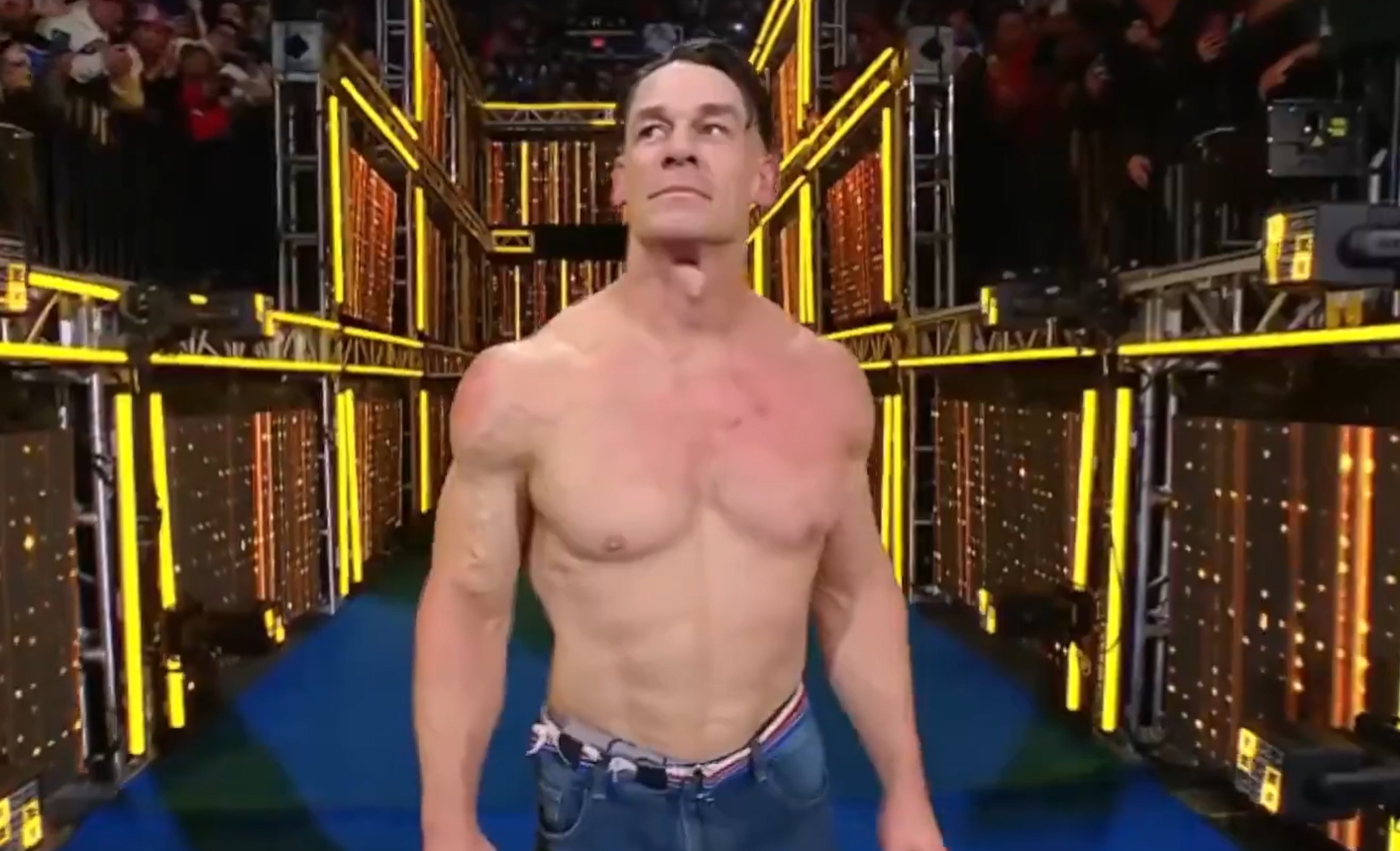
Cena’s influence suggests he wants a style rooted in 2005-era fundamentals—logical limb work and structured comebacks. If the producers enforce a strict rule set, we could see a return to slow-burn storytelling. However, if the booking team prioritizes pace over coherence, the classic format will drift into the chaotic style seen during his May 9 address.
The current scheduling gap provides an opportunity to refine these rules. The tournament will fail if the participants are simply trading signatures. We need to see sustained sequences of grappling that lead to purposeful finishes, rather than the frenetic, nonsensical pacing that often plagued late-period main events.
The booking disconnect
There is a glaring flaw in the current strategy. By attempting to marry a prestige-focused tournament with a populist voting system, WWE is creating an internal conflict that may frustrate the target demographic. Fans who seek a technical masterclass usually clash with the group that votes for the loudest personalities.
If the voting results in a collection of brawlers rather than technical specialists, Cena may be forced to intervene directly. The creative team has yet to establish a fallback for when the audience attempts to sabotage the bracket. That lack of a contingency plan is a failure on the part of the booking office.
Predicting the outcome requires weighing the desire for a legacy-defining event against the inevitable interference of social media mobs. My projection is that the tournament will devolve into a hybrid event. It will not reach the heights of a pure athletic showcase because the selection process will prioritize engagement over wrestling aptitude. Expect a disappointing semi-final round where the talent booked for entertainment value drags down the work rate of those who actually belong in a technical tournament.
Read Next
- Chelsea Green and the Michael Hayes dynamic is actually settling down
- Why Oba Femi’s aura depends on the shadow of Ricky Saints
- NXT is forcing a reset after a stale June 9 broadcast
- John Cena is shutting the door on a comeback and frankly good for him
- 🏆 WrestleMania 41 — Full Coverage Hub
- 👴 John Cena Retirement Tour 2026