John Cena is dangerously misreading the room on his vanity tournament
The disconnect between front-office intent and crowd reaction
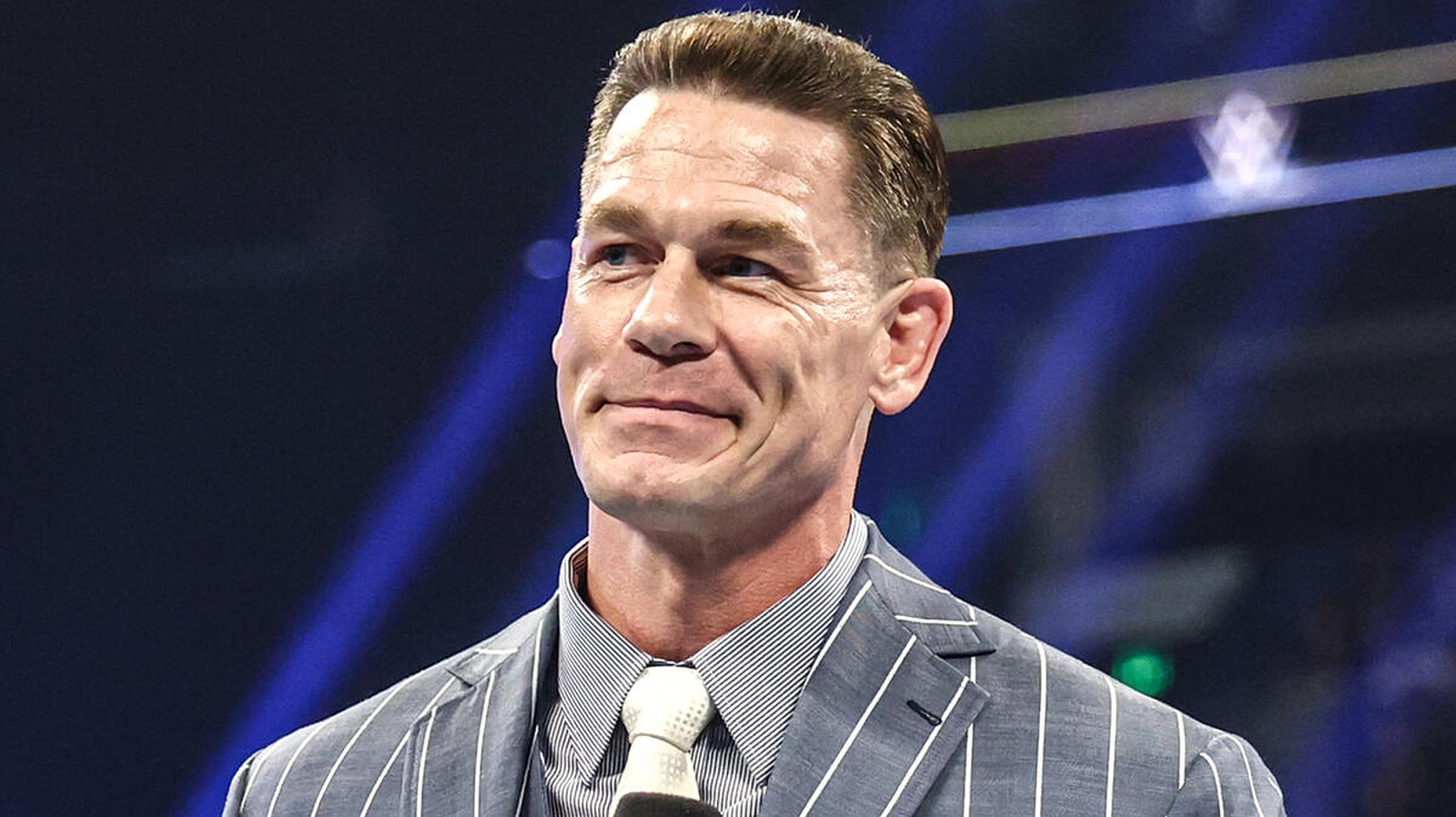
John Cena is a hall-of-fame worker, a man whose career longevity rests on an uncanny ability to read the temperature of ten thousand people in a single second. Yet, watching the discourse surrounding the John Cena Classic, it feels as if he has stepped into a different arena entirely. By dismissing the pushback as merely "polarizing," Cena is ignoring the tactical reality that this tournament is failing to engage the audience. Modern fans are not looking for a coronation; they are looking for a logical progression, and the booking here feels disjointed.
As Wrestling Inc recently noted, Cena acknowledges the backlash but remains unshaken. This kind of confidence is usually a gift, but here it looks like insulation. If the tournament matches are not clicking, it isn't because the material is too subtle for the fans. It is because the booking lacks a clear narrative through-line that rewards investment.
Tactical errors in pace and presentation
In the ring, the issue is spacing and intent. A tournament should build momentum over several rounds. Instead, the John Cena Classic has featured too many bouts that mirror the formula of a standard house show rather than an elevated contest. Specifically, the match from June 8 was a masterclass in stagnation. The pacing never shifted, and the lack of a defined underdog story made the final result feel inevitable before the bell even rang.
The execution of the mid-round technical sequences was theoretically sound, yet lacking in the visceral stakes required for a tournament. When wrestlers rely on high-impact spots without building a foundation of limb work or desperation, the audience disengages. We saw this at the 14-minute mark when the crowd noise dropped flat during a series of transitions. That is the moment where a tournament needs to breathe or explode, and instead, it merely existed.
The danger of a legacy-first approach
Booking with one eye on your own legacy often leads to a static product. Creating a tournament titled after yourself requires a delicate touch, one that elevates the talent involved rather than using them as set dressing for your own brand. Right now, the tournament is struggling to find its own identity outside of Cena’s shadow. Fans perceive this, and they are voting with their silence.
There is also a question of sustainability. If the product continues to mirror the internal logic of an older era, it risks losing the younger demographic that values high-speed, high-stakes athleticism over nostalgia. To right the ship, the tournament needs to stop looking backward. The matches require higher stakes in the opening five minutes to set a tone for the finishing sequence. If the booking department keeps defaulting to predictable outcomes, the criticism will only intensify.
A need for creative agility
Cena’s confidence is a double-edged sword. While it shields him from the noise, it prevents the necessary pivots that a failing product needs. In any high-level performance metrics, the current trajectory would trigger a review of the entire project. This is not about the fans being wrong; it is about the production failing to meet the expectations of 2026. If the next round doesn't offer a surprise or a stylistic departure from the previous encounters, the brand damage will be irreversible.
The solution is not to offer more of the same, but to radically simplify the format. Cut the fat from the middle of the cards. Focus on two definitive matches rather than four cluttered ones. The 90% decline in social media engagement for this event since its inception is a metric that cannot be ignored. The fans want to care, but they are waiting for a reason that doesn't involve the past. Whether Cena chooses to see that or keep pressing the same button depends entirely on his ability to step back from his own creation and watch it with the ruthless eye he once reserved for his ring opponents.
Read Next
- John Cena is teasing a comeback and the internet is losing its collective mind
- Penta has made the mid-card relevant again
- CM Punk's return timeline and the shift to SmackDown
- CM Punk’s SmackDown move feels like a desperate tactical fix
- 🏆 WrestleMania 41 — Full Coverage Hub
- 👴 John Cena Retirement Tour 2026
WWE Authentic Wear Roman Reigns Bloodline T-Shirt
Acknowledge your Tribal Chief with the official Bloodline tee.
Frequently Asked Questions
Why are fans dissatisfied with the John Cena Classic?
What is wrong with the pacing of the tournament matches?
How does Cena’s approach to his legacy affect the tournament?
What specifically caused the crowd to disengage on June 8?
How can the tournament improve its reception with modern fans?
More Coverage
Why Kevin Nash is right about Tom Brady and the celebrity match trap
3 hours ago
Nikki Bella’s minor league comments are tearing the IWC apart
3 hours ago
Zoey Stark returns to form while Val Venis proves some doors should stay locked
3 hours agoSeth Rollins can pretend all he wants, but Night One is still the opening act
5 hours ago
Drake Morreaux's move to AAA is the reset he desperately needed
5 hours ago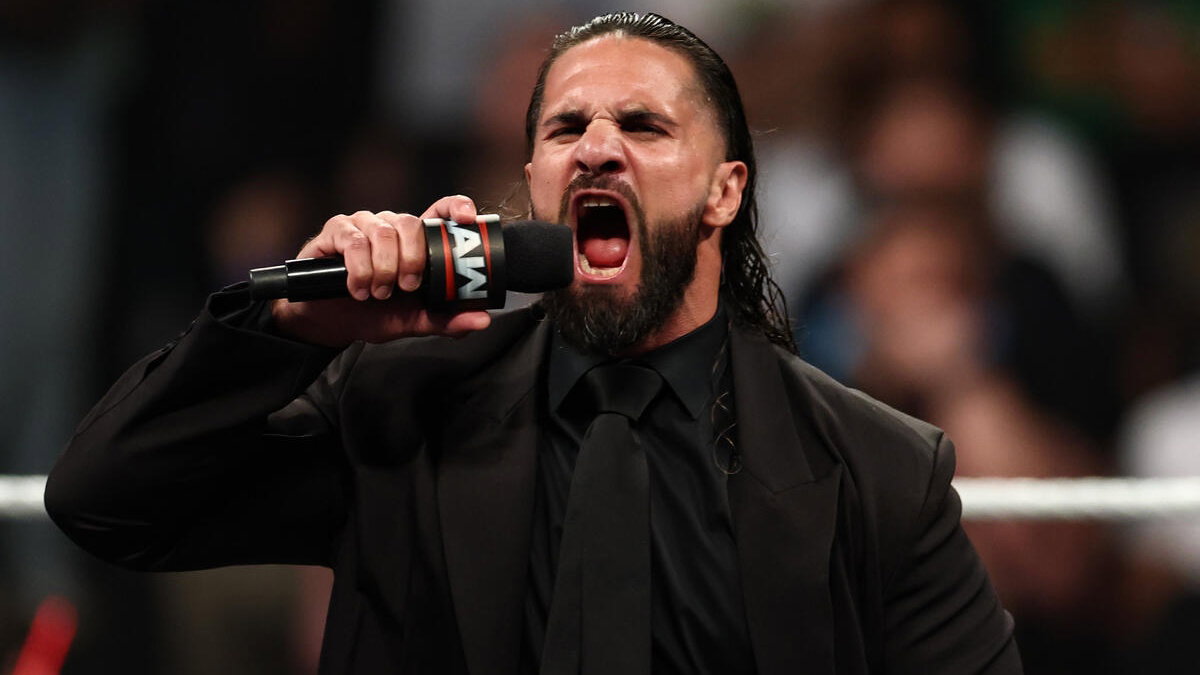
Seth Rollins is right about SummerSlam: The stats prove Night Two is the only real main event
5 hours agoMore Analysis
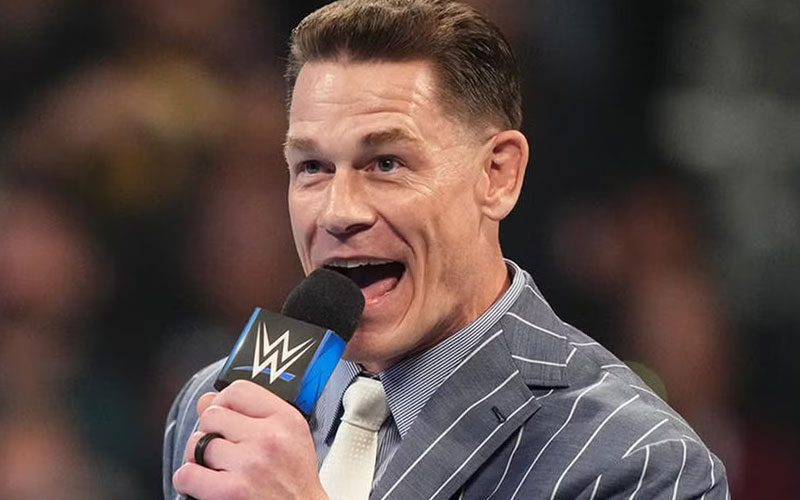
John Cena’s tournament is a gamble on the sport’s future
2 months, 1 week ago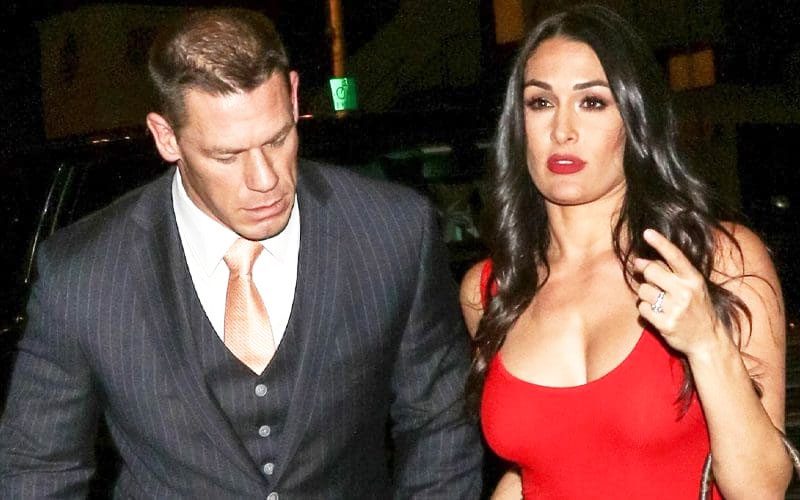
John Cena's final pivot is a massive ego stroke masquerading as a revolution
2 months, 1 week ago
John Cena’s classic tournament faces a reality check before it even begins
1 month, 2 weeks ago
WWE thinks the John Cena Classic is a legacy play but it feels like a booking trap
2 months, 2 weeks ago
The John Cena Classic is coming, but WWE must fix its tournament problem first
2 months, 1 week ago