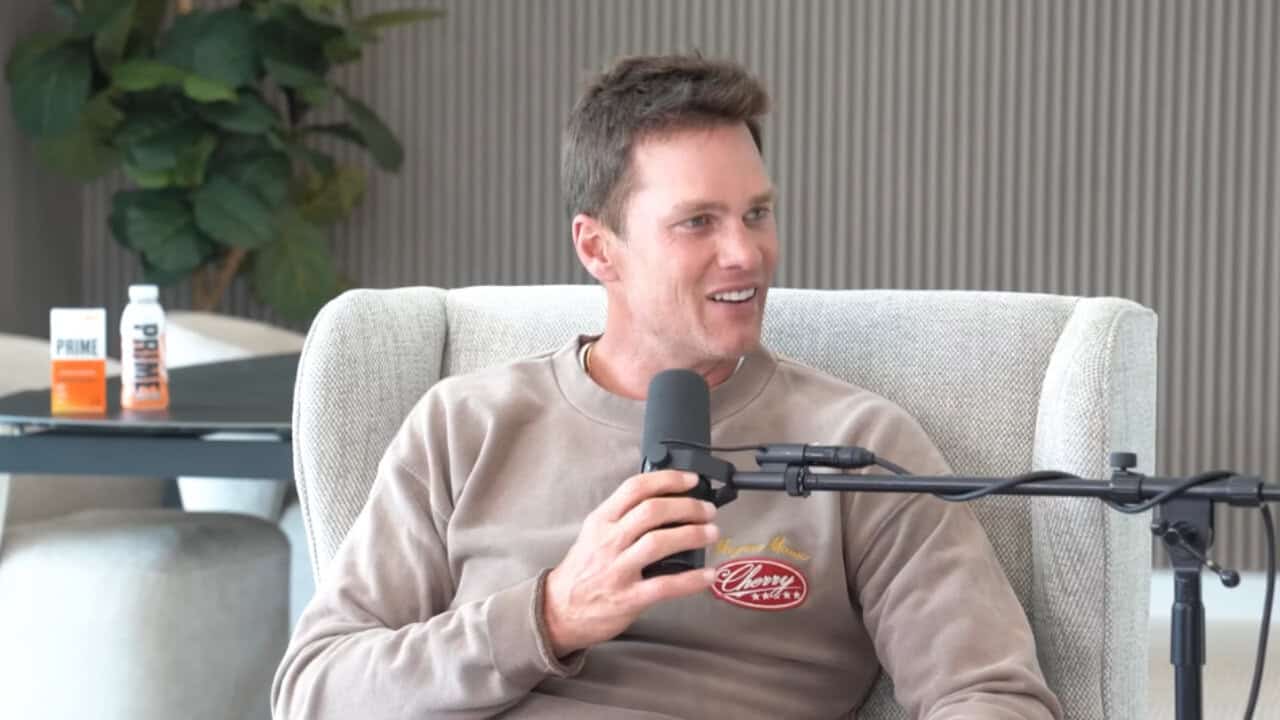
The single-bullet strategy for mainstream stars
Celebrity crossovers in professional wrestling usually fail for one simple reason: overexposure. When rumors surfaced about NFL legend Tom Brady potentially stepping onto a WWE canvas, the initial reaction from casual fans was pure spectacle. But tactical minds in the industry immediately recognized the landmine.
Kevin Nash laid out the reality on his podcast when discussing the logistics of bringing a seven-time Super Bowl champion into the squared circle. According to Nash, if WWE brings Brady in for a match, it needs to be a one-time event. You fire the bullet once, maximize the pay-per-view buy rate, and protect the myth before the physical reality sets in.
Protecting the bump: Learning from Bad Bunny and Logan Paul
We have seen two distinct templates for celebrity runs in recent years. Logan Paul committed to the grueling reps, learning how to take a top-rope Spanish Fly and sell a ribs injury over a 20-minute main event structure. Bad Bunny spent months in the performance center perfecting his Canadian Destroyer spot at WrestleMania 37.
Tom Brady is 48 years old. His body survived two decades of NFL pass-rushers, but taking a flat-back bump on a standard wood-and-steel frame is an entirely different stress pattern. Nash correctly points out that a continuous storyline would expose the physical limitations inherent in a retired quarterback trying to run ropes at full speed.
Look at the numbers from previous celebrity attractions. Lawrence Taylor vs. Bam Bam Bigelow at WrestleMania XI worked because Taylor threw everything into a short 11-minute sprint. Floyd Mayweather vs. Big Show at WrestleMania XXIV succeeded because it was structured around heavy protection, brass knuckles, and minimal bumps for the boxer.
The booking verdict for Brady's potential appearance
If WWE pairs Brady against someone like Logan Paul or a veteran hand who can call the match in mid-ring, the structure must be rigid. Keep the work rate concentrated, rely on high-impact set pieces, and get out before the crowd senses the fatigue. A single spectacle match creates an iconic moment; a multi-match contract dilutes the box office appeal to zero.
Nash's assessment isn't cynicism — it is sharp business logic from a guy who drew millions by understanding ring positioning and star protection. WWE should take the note, book the solitary attraction match, and let the spectacle speak for itself.