The Great Main Event Coping Mechanism
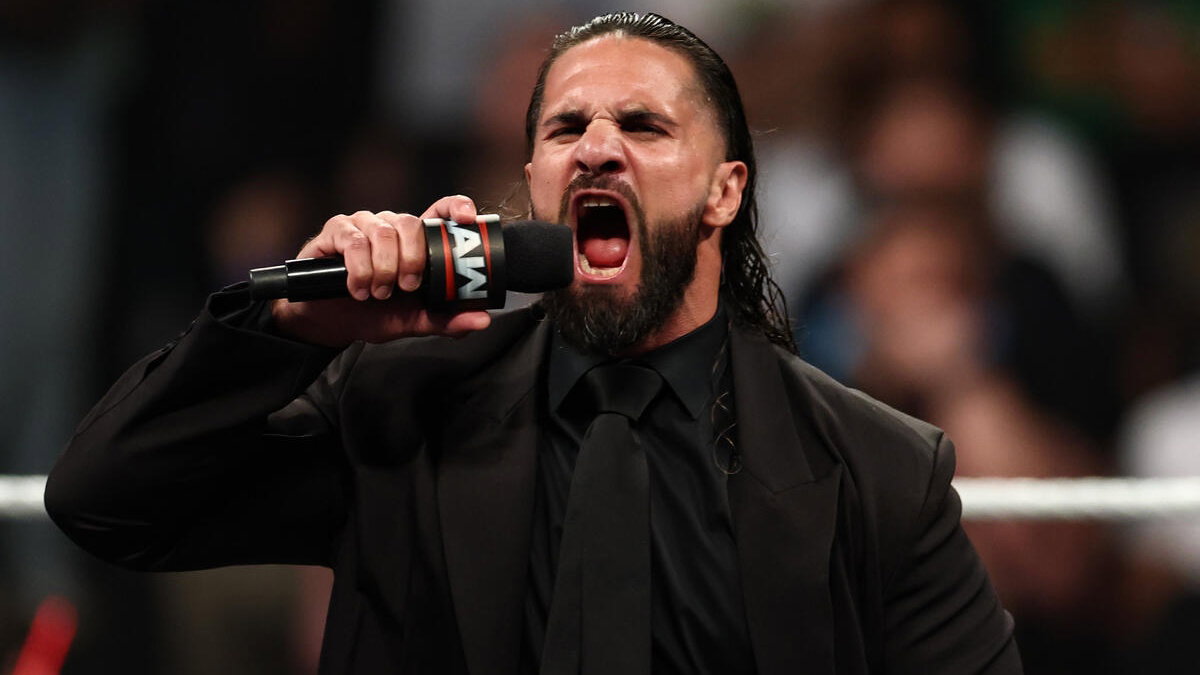
Seth Rollins is out here doing media rounds trying to convince us that closing Night One of a two-night stadium show carries the exact same prestige as closing Night Two. God bless him for trying. Seth has been the ultimate company soldier for a decade, taking whatever booking hand he is dealt and turning it into gold. But let us be completely honest with ourselves over a cold beer: nobody grows up dreaming of being the headliner for the Saturday night appetizer.
When Rollins claims he does not care about the distinction between Night One and Night Two ahead of WWE SummerSlam, it smells like a guy who got handed a silver medal and is trying to convince the crowd it shines brighter than gold. We all know how this game works. The marquee match, the angle that drives Peacock subscriptions, and the moment that ends up on the highlight reel for the next twenty years happens on Sunday night. Everything else is just warming up the gridiron.
Remember when Roman Reigns smashed Bryan Danielson and Edge at WrestleMania 37? That was Night Two. When Cody Rhodes finished the story at WrestleMania XL? Sunday night. Night One has produced absolute bangers—Sasha Banks and Bianca Belair tore the house down in Tampa, and Kevin Owens got to bump for Stone Cold Steve Austin in Dallas. But when the pyro clears and the stadium lights turn off, the true main event of any multi-night pro wrestling carnival is the final match of the entire weekend.
The Two-Night Inflation Problem
WWE expanding SummerSlam into a two-night extravaganza is great for TKO’s quarterly earnings reports and ticket sales, but it dilutes the currency of what a main event actually means. Back at SummerSlam 1992, 80,000 screaming fans packed Wembley Stadium for one single climax: Bret Hart dropping the Intercontinental Title to the British Bulldog. There was no Saturday night consolation prize. You were either in the main event or you were on the undercard.
Now, we have participation trophies for main-event status. By doubling the real estate, WWE created a secondary main event spot just to keep top-tier talent happy without having to give them the actual crown jewel. It is the wrestling equivalent of telling two different drivers they both won the Daytona 500 because one led at lap 100 and the other crossed the finish line first on lap 200.
Rollins knows this better than anyone. He pulled off the heist of the century at WrestleMania 31 by cashing in MITB during Roman Reigns versus Brock Lesnar. That was the singular closing image of the entire year. He did not close a Saturday show and then go back to his hotel room while someone else closed the weekend. He owned the final frame. Deep down, a competitor as driven as Visionary-era Seth Rollins wants that final frame every single time.
Why the Locker Room Script Has to Change
The argument from guys like Rollins is usually built on match quality. They will tell you that if Night One steals the show with a five-star classic, it does not matter when it went on. Sure, from a workrate perspective, a 30-minute masterpiece will always beat a slow-paced brawl. But pro wrestling is built on stakes, narrative resolution, and finality. The final match on Sunday carries the weight of closing the book on the entire weekend's storylines.
If you put the World Heavyweight Championship on Saturday and the Undisputed Title on Sunday, you are explicitly telling the audience which belt holds more equity. You can dress it up with fancy promos, ring entrances with thirty-piece orchestras, and custom coats, but the hierarchy remains intact. Fans are not stupid. We track who gets the last entrance on the last night because that is who the promotion considers its true top draw.
Look at how sports handle this. The Super Bowl does not have a Saturday night championship game for the NFC and a Sunday night game for the AFC where both teams get to call themselves Super Bowl winners. The Champions League final is one match on one night. Part of what makes sports entertainment compelling is the brutal scarcity of top spots. When you manufacture extra main events, you lessen the impact for the person who actually earned the closing slot.
The Verdict on Seth's Rhetoric
You cannot blame Seth for taking this stance publicly. What else is a locker room leader supposed to say? 'Yeah, man, my match is just the co-feature before the real show tomorrow'? Of course not. He is selling the product, building interest for Saturday, and hyping up his own match like the professional he is. That is his job, and he is better at it than almost anyone else on the roster today.
But as fans sitting in the bleachers or watching at home, we do not have to buy the corporate spin. Night One is a fantastic night of wrestling, but it is still the setup. Night Two is the payoff. Seth Rollins can put on a masterclass, burn the house down, and leave the crowd chanting his theme song until their throats bleed on Saturday night. But until he is the one holding up a title under the confetti as the final graphics roll on Sunday, he is still playing second fiddle to the true main event.
Read Next
- Seth Rollins is right about SummerSlam: The stats prove Night Two is the only real main event
- SummerSlam split over two nights is a desperate cry for attention
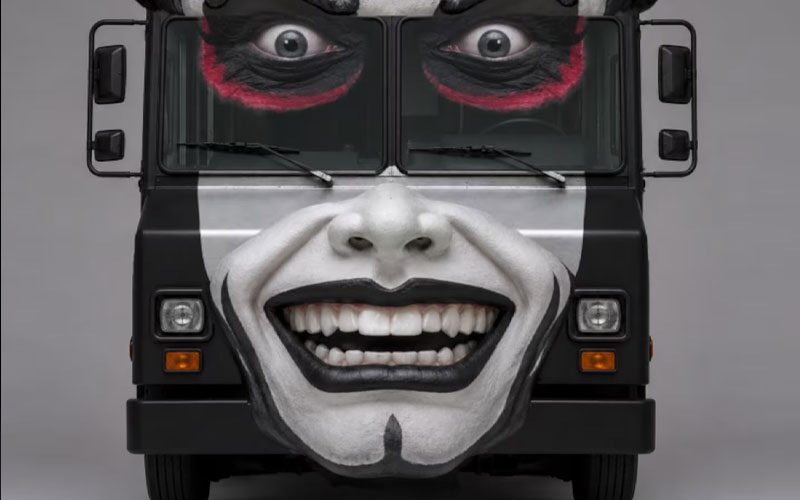
- WWE turning Danhausen into a SummerSlam ice cream man is peak chaos
- Drake Morreaux's move to AAA is the reset he desperately needed
- 🏆 WrestleMania 41 — Full Coverage Hub
- 💥 WWE Backlash 2026 — Full Coverage Hub