The optics of the Bella return
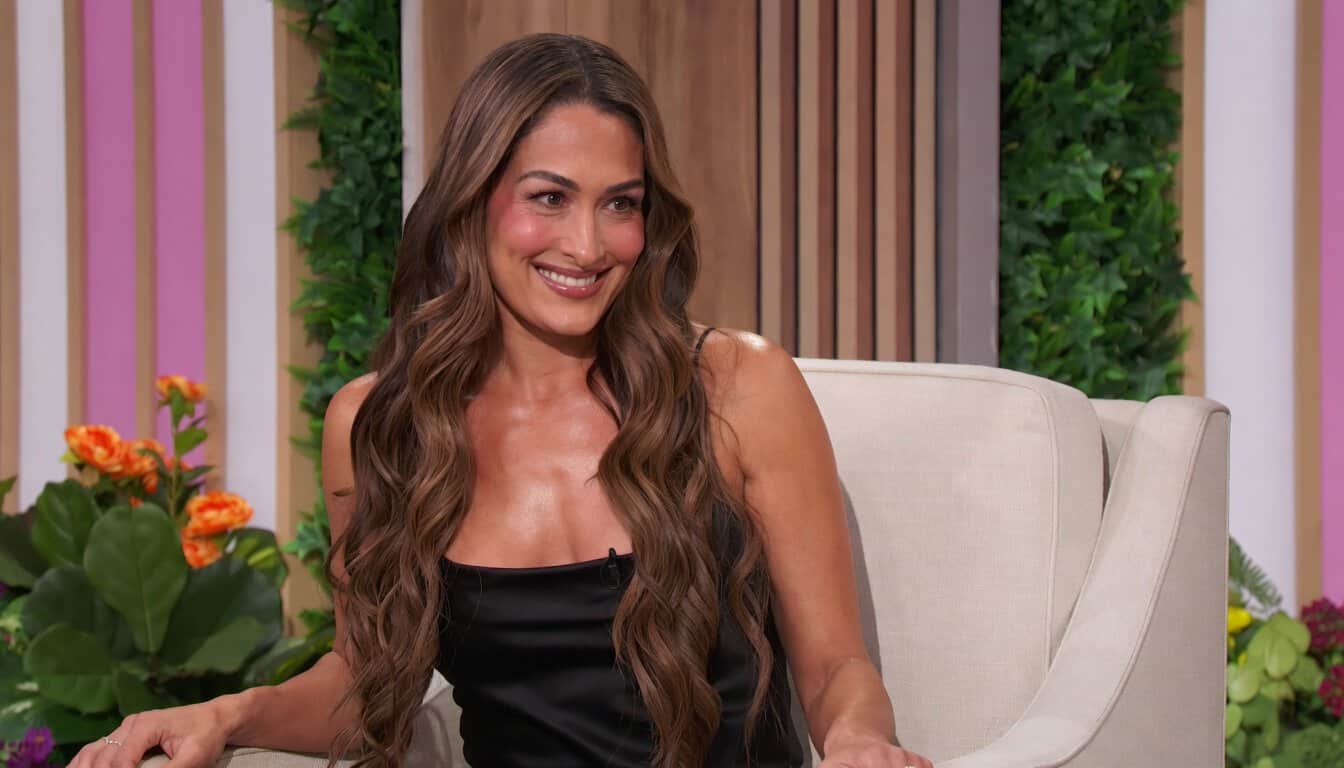
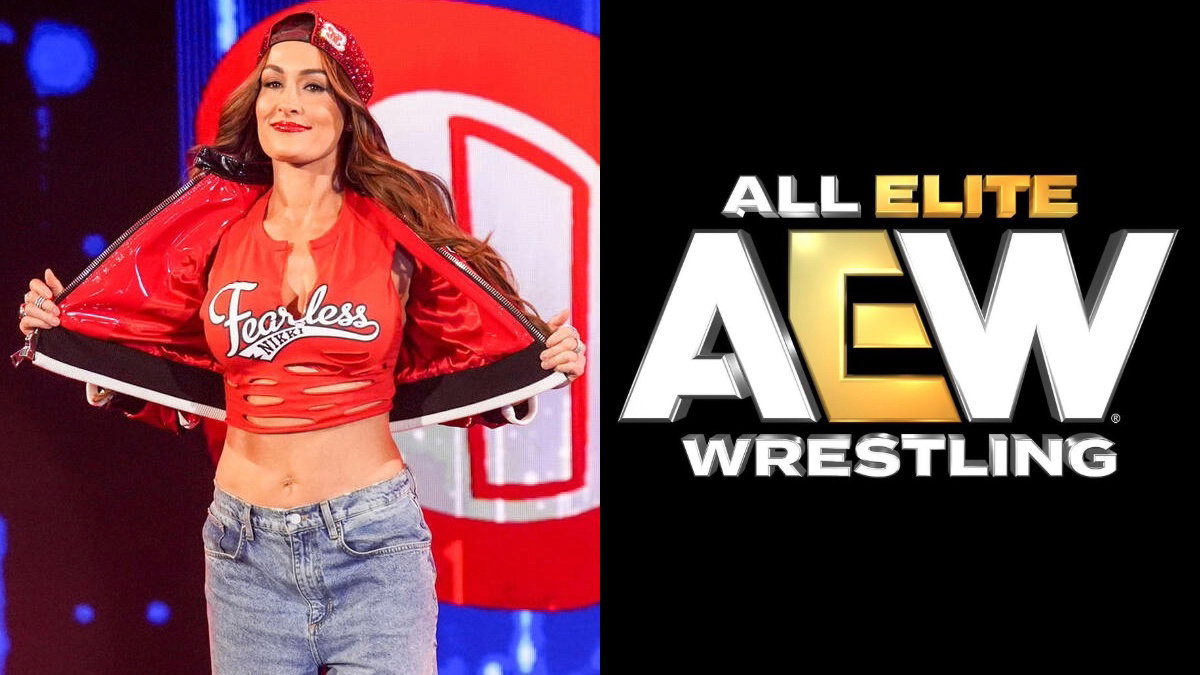
Nikki Bella stepping back into a WWE ring at SummerSlam 2026 feels like a jarring regression. We are less than a week away from the event, and the discourse has shifted from the current title picture to a legacy talent returning for a high-profile spot. Bringing in an external voice to assist with the transition is a strategic choice, though it highlights a worrying reliance on the past.
Reports surfaced on July 24 indicating that an active AEW roster member has been acting as Nikki Bella's coach for this training block. It is an interesting bit of professional courtesy between promotions, but it ignores the fundamental issue. The current women’s roster has spent months building momentum through consistent screen time and technical growth. Slotting a part-time legend into the main card pushes those ongoing stories into the background.
Missing the mark on development
Watching the women's division evolve since 2024 has been a genuine highlight. We have seen movesets expand beyond standard generic maneuvers and match pacing become significantly tighter. Every time the promotion pivots toward a nostalgic return, the air leaves the room for the women working twice a week to maintain those standards.
The coaching dynamic is particularly strange. If the goal was a serious return to action, why not utilize the internal Performance Center talent? Bringing in someone from the competition to "coach" feels like a PR maneuver designed to generate social media buzz rather than a genuine attempt to elevate the technical standard of the match. It creates a weird disconnect for the viewer.
My gripe isn't with Nikki Bella as a performer—she was a key figure during a difficult transition period for the company. The issue is the booking logic. When you look at the recent revelation regarding her specific preparation, you have to ask what this adds to the current product. It serves the brand, not the wrestling.
The SummerSlam reality
I am expecting a technically sound, heavily produced match that feels disconnected from the rest of the card. A return like this usually features a safe, highlight-reel structure designed to minimize risk. If we see a standard signature sequence—the Rack Attack, a few rest holds, and a clean finish—we will know exactly what this was: a curiosity, not a catalyst.
The division needs to be the draw in 2026. If the creative team needs an outside coach to get a legend ready for a ten-minute showcase, they are underselling the current staff’s capabilities. This isn't a long-term play; it is a short-term pop. Expect the crowd to react with nostalgia, but monitor the drop-off in engagement during the subsequent weeks. Real progress requires looking forward, not finding new ways to repackage old tapes.