The disconnect between production and fan perception
The business side of professional wrestling has started to outweigh the in-ring output. We are currently witnessing an aggressive push for streaming content that often feels disconnected from the history fans actually cherish. Bully Ray recently voiced his frustration regarding the latest season of WWE Unreal on Netflix, arguing that the polished production isn't doing the promotion any favors. When the narrative control becomes too sterile, the grit that defines this industry begins to evaporate.
The shadow of documentary storytelling
This follows a broader trend where media producers attempt to encapsulate the wrestling business through a narrow lens. The recent Dark Side of the Ring episodes dedicated to TNA Wrestling were heavily criticized by those who were actually in the dressing room. Bully Ray noted that the documentary told only 50% of the story, leaving out critical context that defined the TNA locker room culture. History, when filtered through a streaming service's editorial mandate, loses its nuance.
Reflecting on the foundations
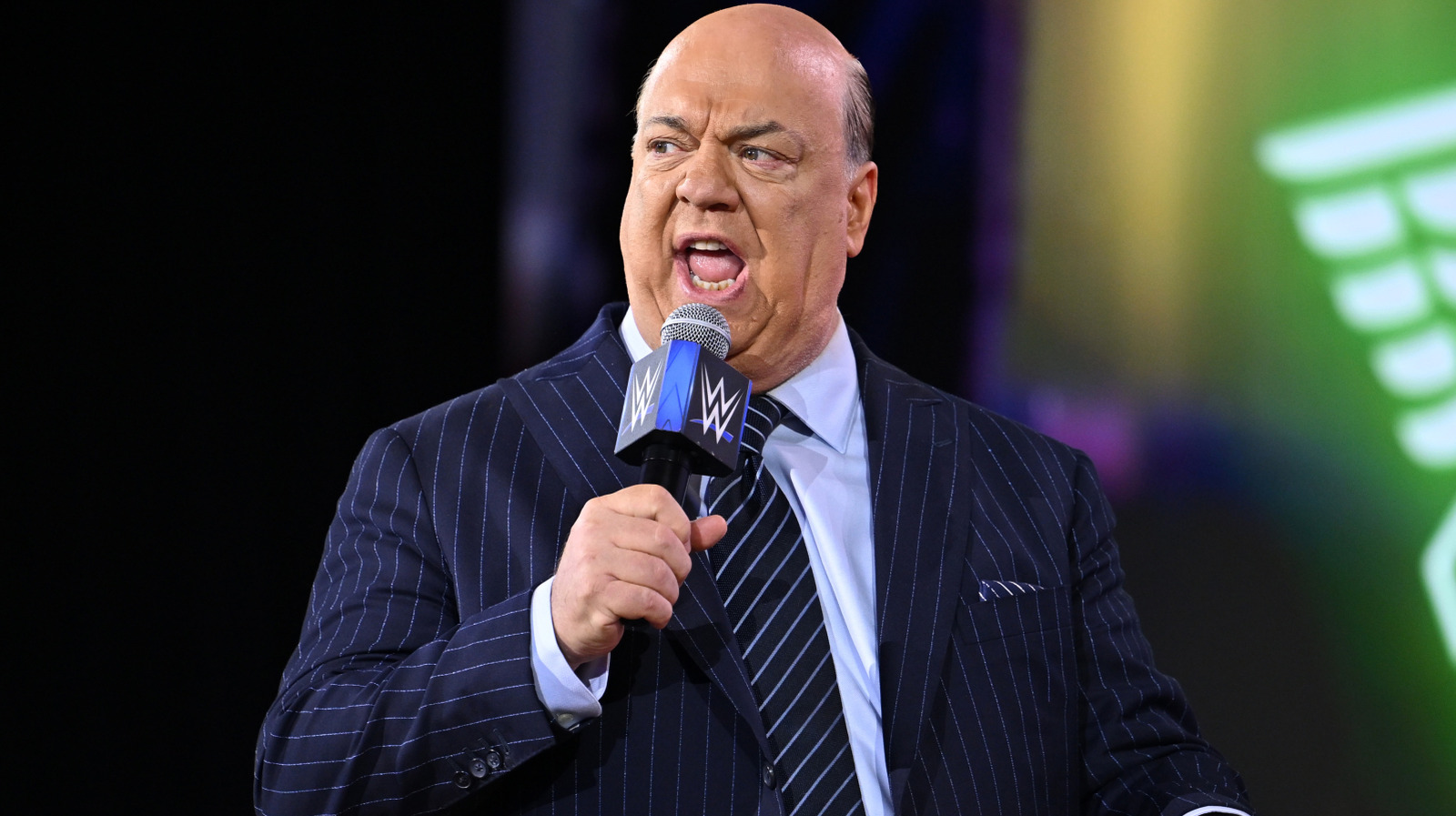
As the company pivots toward these high-production digital series, the human element of performance occasionally gets lost. Veterans like Nunzio often look back, pointing out that their entire trajectory in WWE was contingent on the vision of advocates like Paul Heyman. Nunzio's admission that his WWE career wouldn't have materialized without Heyman is a reminder that personal relationships used to drive booking decisions more than algorithmic engagement.
The internal booking struggle
Even when the company hits the mark with talent, the longevity of these stories remains a point of contention among peers. We saw a massive shift in momentum during Sami Zayn's tenure at the top of the card. Maven recently suggested that part of him wanted a longer run for Zayn as Undisputed WWE World Champion, despite appreciating the eventual climax of that story. The tension between long-form storytelling and the desire for quick, 3-month championship cycles leaves fans yearning for more depth.
Final thoughts
The current state of professional wrestling shows remains stuck in a cycle of over-production versus organic growth. When the company focuses on creating content about itself, it inevitably invites criticism from those who lived through the eras being documented. I expect future efforts to struggle unless they shift focus toward the wrestlers themselves rather than the brand's self-mythologizing. My prediction? Until the company prioritizes the internal locker room history over third-party documentary angles, these series will continue to feel like 4 out of 10 on the authenticity scale.