Measuring the financial reality of a multi-million-dollar wrestling startup
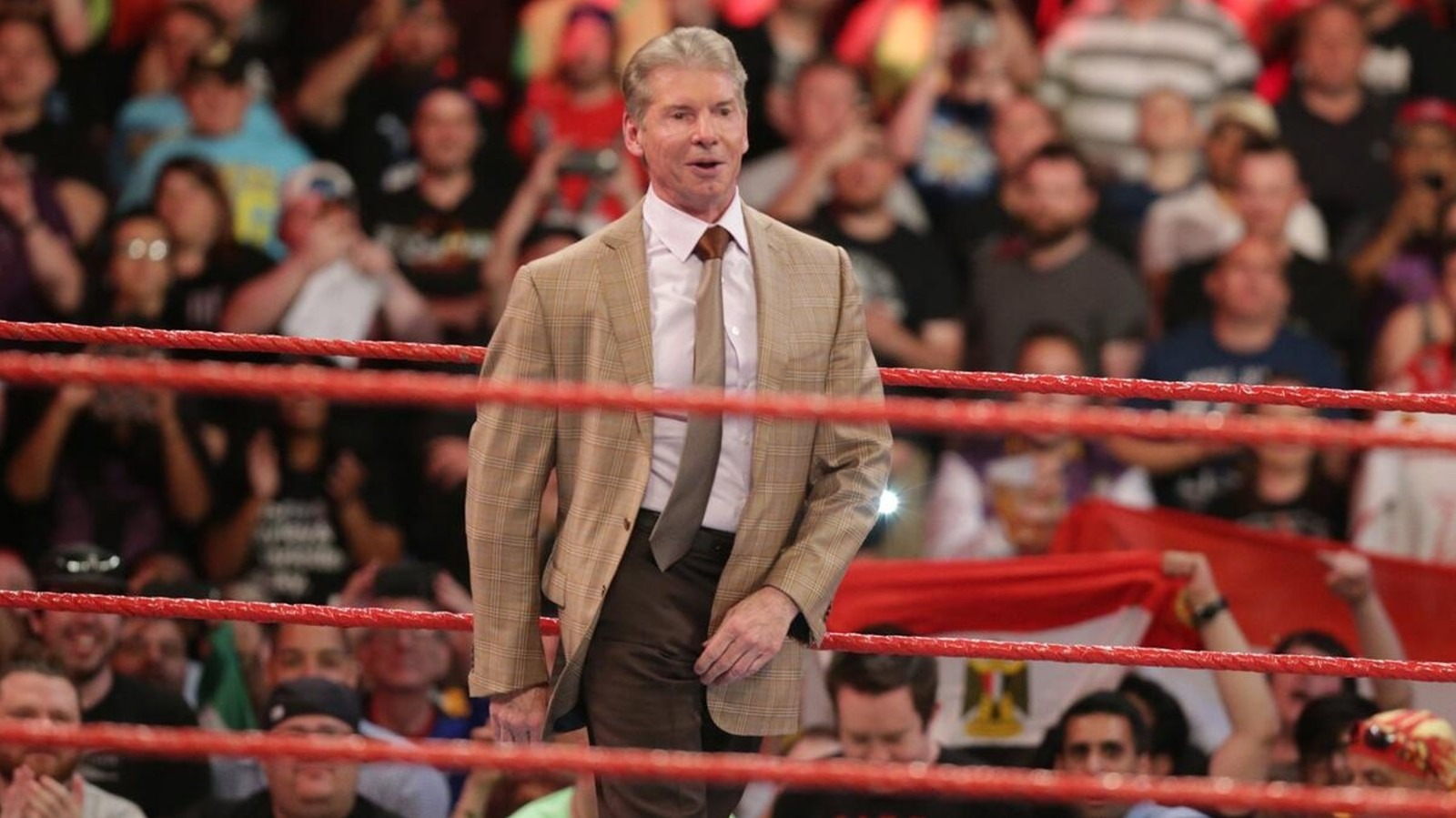
In the professional wrestling ecosystem, legacy promoters rarely fade into quiet retirement. Following his high-profile exit from TKO Group Holdings, Vince McMahon reportedly retains substantial capital and an itching desire to remain influential. AEW commentator Jim Ross recently speculated that McMahon could buy or launch a competitor to WWE and AEW. Yet executing a launch in 2026 demands navigating a vastly different financial framework than the one McMahon dominated for four decades.
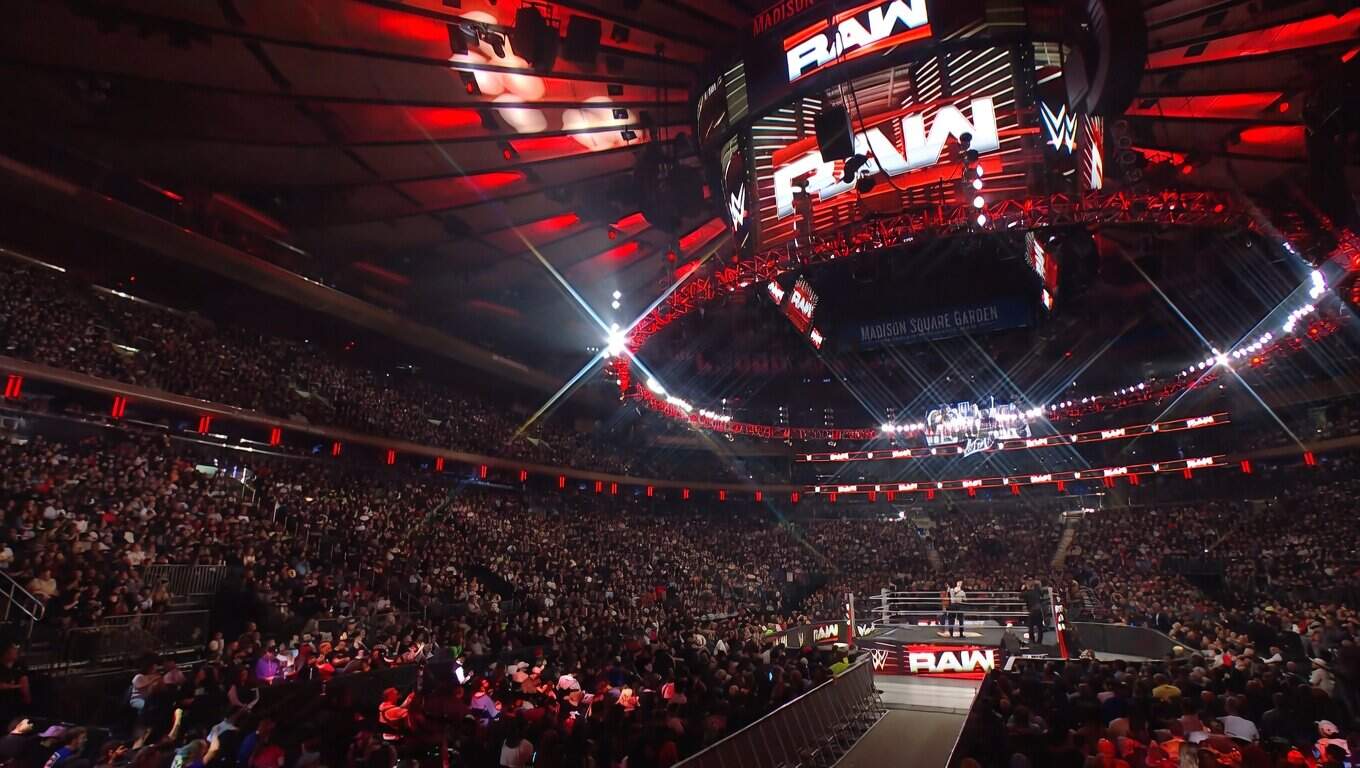
Starting a viable promotion today requires far more than legacy brand recognition. It demands competing directly with WWE's massive media rights deals, such as their $5 billion, 10-year deal with Netflix for Raw, and AEW's multi-year television contracts. To match even a fraction of that production footprint, any prospective McMahon-backed venture would face astronomical upfront expenditures before selling a single ticket.
The cost structure of modern pro wrestling parity
When McMahon acquired the World Wrestling Federation from his father in 1982, regional territories operated under localized distribution models. Today, live event logistics and broadcast-quality production represent massive barriers to entry. Producing a single episode of flagship television for a national promotion carries an estimated production cost between $250,000 and $500,000 per broadcast, exclusive of talent payouts.
Talent acquisition presents an even steeper financial hurdle. Top-tier free agents in 2026 command annual salaries ranging from $2 million to $6 million. Securing a competitive roster of 30 to 40 primary performers would immediately drain an estimated $45 million annually in base compensation alone. Without an established television rights fee to offset those fixed costs, early burn rates would test even multi-billion-dollar bank accounts.
Distribution metrics and the streaming bottleneck
Broadcast rights generate the vast majority of revenue for major wrestling organizations. In WWE's recent financial reports, media rights accounted for over 80 percent of total revenue. For a new promotion, securing linear cable distribution or subscription streaming access is mandatory to achieve profitability.
However, network availability has tightened significantly. With WWE locked into major platforms and AEW holding key broadcast slots, alternative outlets are scarce. A new McMahon entity would likely have to purchase airtime initially or rely on direct-to-consumer streaming apps, where conversion rates historical hover below 3 percent for non-established sports properties.
Evaluating regional alternative buyouts
Rather than starting from scratch, purchasing an existing entity like TNA Wrestling or a major indie promotion offers built-in infrastructure. Yet these organizations operate at a drastically smaller scale. TNA's typical venue attendance ranges between 1,000 and 3,000 fans per taping, compared to WWE's arena averages exceeding 10,000 attendees per event in 2025 and 2026.
Scaling an acquired promotion to compete on a global tier requires exponential capital injection. Upgrading arena venue leases, expanding global pay-per-view distribution, and re-signing talent would require an immediate infusion estimated at over $100 million within the first 18 months of operations. As Jim Ross noted during his podcast speculation, the inclination to stay involved exists, but the structural hurdles are steeper than ever.
Ultimately, while McMahon possesses the financial reserves to fund a startup, the modern wrestling landscape rewards established distribution networks over raw capital. Unless a network partner steps forward with guaranteed rights fees, any new venture would face years of heavy operational deficits before breaking even.