A finality in federal court
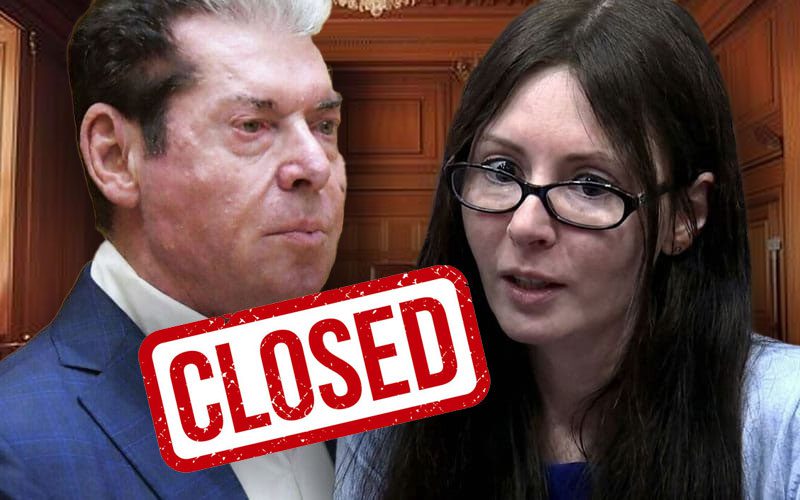
The legal ledger officially closed today, July 27, 2026. A federal judge has ordered the Janel Grant lawsuit against Vince McMahon and WWE to be terminated. For a company that spent the better part of two years navigating the fallout of these allegations, this order acts as a hard reset on institutional baggage.
The litigation, which originated in early 2024, hung over the corporate structure like a guillotine. Every quarterly earnings call and creative pitch felt secondary to the discovery phase. With the case shuttered, the administrative side of the organization can finally pivot away from crisis management.
The creative implications of a clean slate
Fans often ask if backstage turmoil filters into the ring. The answer is usually yes. When leadership is distracted by subpoenas and depositions, the long-term storytelling suffers. We saw disjointed narratives and rushed character arcs throughout 2024 and 2025 as the company braced for the fallout of the proceedings detailed in the PWInsider filing.
Now that the judge has cleared the docket, the pressure to produce hits that defined the late-nineties boom is no longer competing with legal preservation strategy. We can expect a more aggressive booking style. Without the threat of damaging evidence surfacing in court, the creative team has the bandwidth to take risks again.
The lingering shadow of legacy
Despite the legal closure, the cultural impact of this era remains etched in the industry's history. WWE has spent significant energy polishing its image for shareholders, shifting toward a PG-rated, corporate-friendly product. This transition feels forced at times, sacrificing the sharp, improvisational edge that once defined prime-time wrestling.
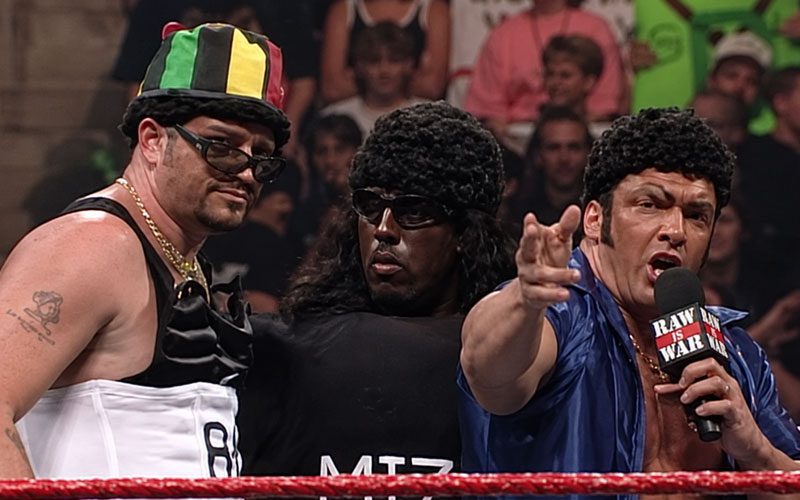
Billy Gunn recently touched upon how legacy acts are currently stifled, noting that the gritty, transgressive segments popularized in 1998 simply wouldn't clear internal review boards today. This indicates that while the legal liability is gone, the internal cultural shift toward risk aversion is entrenched. The company is cleaner, yes, but it is also demonstrably more sterile.
Predicting the new operational pace
The immediate future for WWE looks like total focus on content volume rather than risk mitigation. I expect a surge in high-concept matches to capture the attention of a lapsed audience. Booking will likely shift toward longer-term, coherent storylines that require viewer investment for 10-week stretches rather than the scattered, short-term pops we witnessed during the height of the litigation.
My prediction for the week ahead is a shift in tone regarding talent acquisition. Expect the booking committee to move toward more unpredictable, aggressive character developments. By the end of August, we will likely see a move away from the current sterilized television format, aiming to recapture the tension that the McMahon legal battles actively bled out of the product over the last two years.