Closing the courtroom chapter
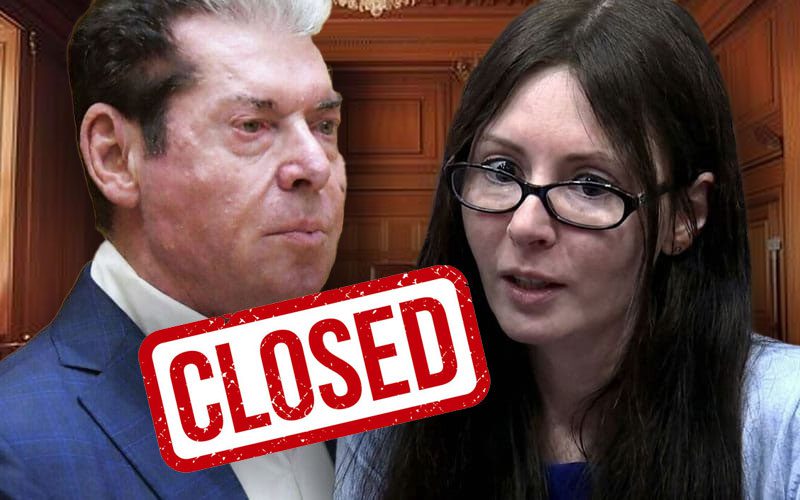
Today, July 27, 2026, marks a definitive shift in the history of professional wrestling. A federal judge has officially closed the Janel Grant lawsuit against Vince McMahon and WWE. This termination brings to an end a months-long legal battle that cast a persistent shadow over the company's internal operations and corporate reputation.
The legal resolution does not equate to a professional resurrection. For decades, the industry operated under the assumption that McMahon was a permanent fixture, but the past two years have proven otherwise. The institutional memory of WWE has moved on, and the current corporate structure under TKO has zero appetite for the volatility associated with his return.
The shareholder reality check
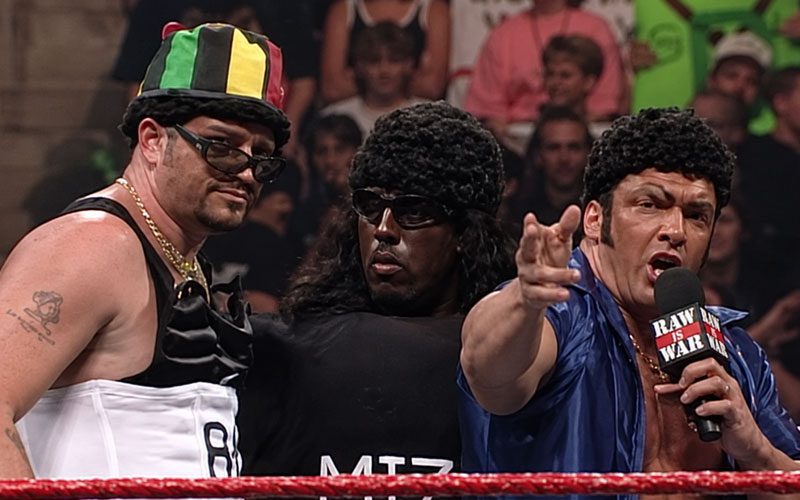
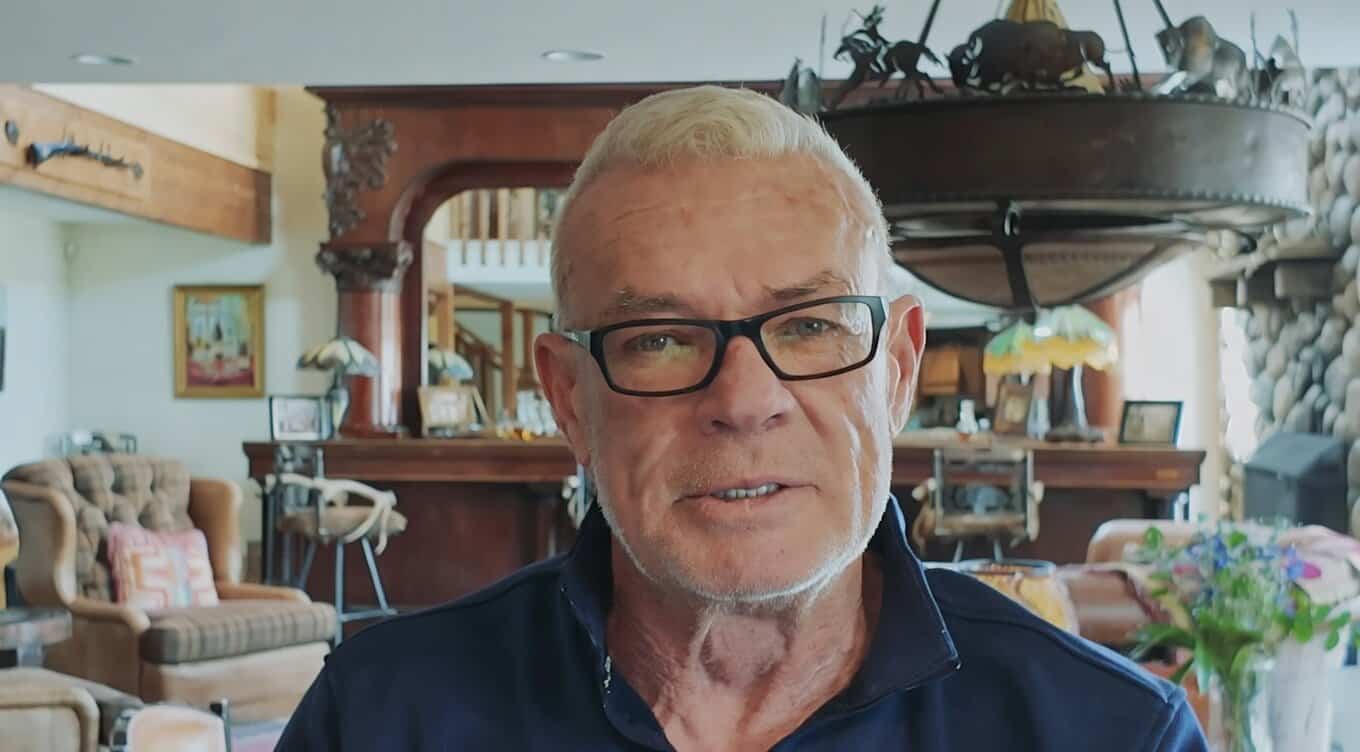
Speculation regarding a McMahon comeback ignores the fundamental change in ownership governance. As D-Von Dudley noted on Episode 79 of his podcast, the decision-making power has shifted away from the individual to a board of directors accountable to investors. Shareholders now prioritize risk mitigation above all else.
Publicly traded entities do not tolerate the kind of reputational damage that defined the final months of McMahon's tenure. Even if McMahon retains the personal desire to insert himself back into the creative process, the mechanism to do so is defunct. He is currently an outsider looking at an organization that has stripped his name from its primary branding identity.
The pivot to independent ventures
Jim Ross has suggested that McMahon might look to purchase a different wrestling promotion. This is a fascinating prospect but remains unlikely to succeed on a grand scale. The current market is saturated, and the origin of events like Blood and Guts shows how much of the current industry exists in a reaction to, or defiance of, the McMahon model.
Trying to rebuild a promotion from the ground up at this stage of his career would be an ego play rather than a strategic business move. The wrestling world has become decentralized, and McMahon's specific brand of high-pressure, singular creative control is outdated for the modern professional roster. Watching him attempt to run a smaller outfit would likely demonstrate just how much the industry passed him by while he was busy fighting for control.
The final breakdown
The prediction is simple: Vince McMahon will not return to prominence in professional wrestling. The litigation may be closed, but the bridge is not merely burned; it has been demolished to make way for a more corporate-friendly operation.
Do not expect appearances at legacy events or backstage cameos. His legacy is now entirely in the rear-view mirror. The most likely scenario is a quiet retreat into private life, as the legal bill for his defense remains a nine-figure drain on his personal liquidity. The wrestling business will survive just fine without his presence, and frankly, the current product is better for the stability that his absence has provided.