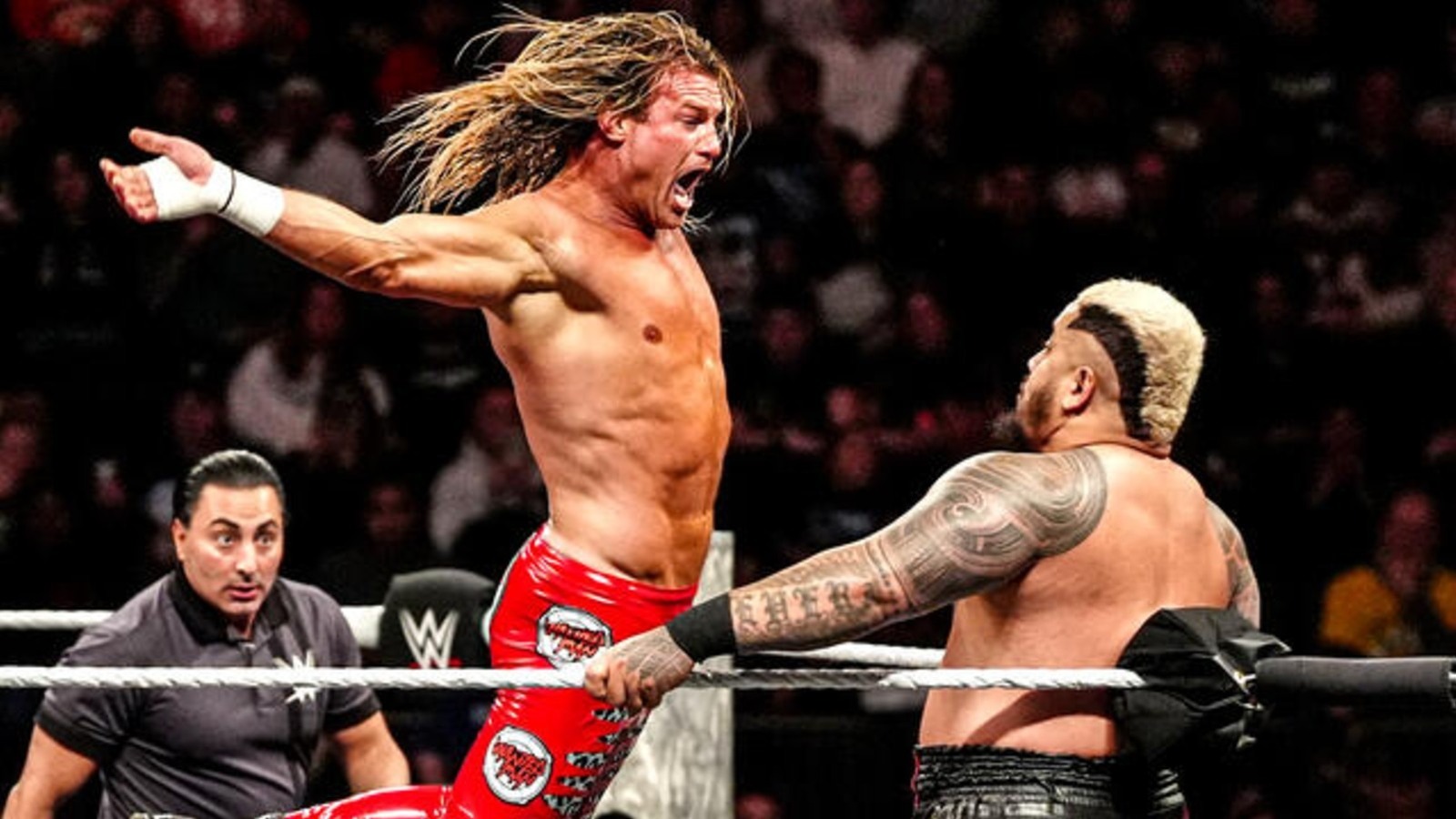
Mind games on the live event circuit
CM Punk pulling off Seth Rollins' flamboyantly oversized jacket during a weekend live event wasn't spontaneous comedy. He put it on, paraded around the ring to mock Rollins' signature posture, and then unceremoniously dumped it onto the canvas. House show spots are where workers test reactions, and the pop from that 20-second sequence confirmed something fundamental about their upcoming clash.
Punk knows Rollins operates on pride and visual theatricality. By disrespecting the ring attire before their formal match, Punk is baiting Rollins into fighting angry rather than fighting smart. It is classic ring psychology translated for a modern audience that tracks every clip on social media.
The mechanics of a feud built on resentment
Rollins has consistently grounded his character work in genuine professional resentment toward Punk's 2023 return. When a worker lets personal friction dictate their pacing in the ring, they start overextending on power moves and leaving gaps in their defense. Look at Rollins' match cadence over the past six months: when he gets riled up, he abandons his tactical setup work and goes straight for high-risk spots like the springboard knee or early Curb Stomp attempts.
Punk, meanwhile, has trimmed his working style down to high-efficiency counter-wrestling. He isn't working at 2011 speed, nor does he try to. He absorbs damage, slows the pace down to a crawl, and waits for his opponent to make a unforced error.
We saw a similar dynamic play out across other promotions when veteran talent returned for specific showcase runs. For instance, TNA star Nic Nemeth revealed that he had multiple offers to return to the WWE main roster before opting into the John Cena retirement tour structure. That kind of targeted positioning shows how top veterans select high-impact psychological storylines over raw physical grind.
The pyrotechnic problem of high-risk spots
High-stakes matches with deep personal animosity often devolve into chaos when execution breaks down under heat. When wrestlers rely heavily on elaborate visual flair or dangerous environmental spots, the margin for error shrinks to zero.
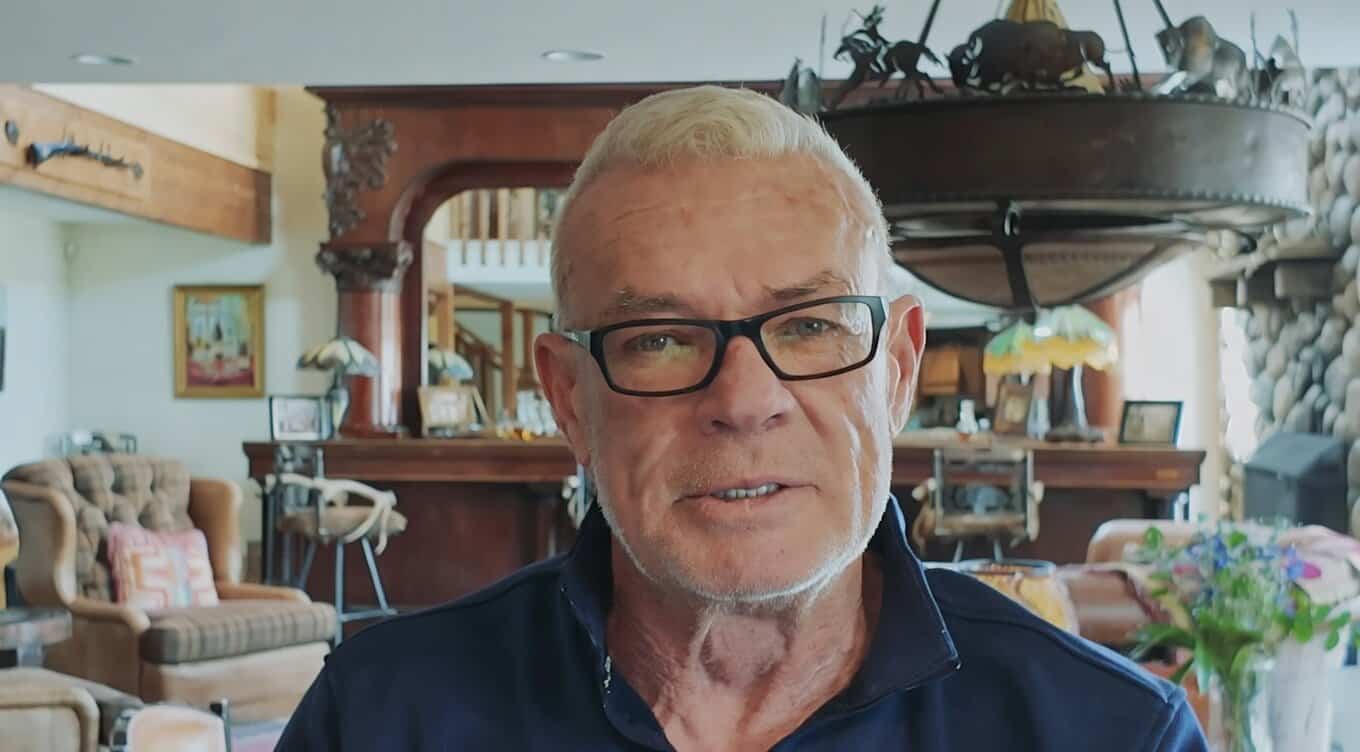
Wrestling history is littered with examples of visual spots going sideways when enthusiasm overrides safety protocols. Veteran wrestler Gangrel recalled being burned by his own fiery entrance during a 2004 WWE appearance, detailing what caused the mishap and how he had to wrestle through severe burns afterwards. When personal rivalries become too theatrical, physical discipline can slip.
Rollins cannot afford to let his anger dictate the physical layout of this match. If he spends five minutes trying to humiliate Punk with secondary spots instead of putting him away, he plays directly into the veteran's hand.
Predicting the SummerSlam finish
Here is how the numbers and psychology align for their SummerSlam clash. Punk is currently operating at a lower work-rate in terms of raw high-impact maneuvers, averaging fewer than 4 major bump spots per 15 minutes of ring time. Rollins averages nearly double that pace, pushing his cardio and joint stress to maximum capacity.
Rollins will control 70% of the match's offensive tempo, working over Punk's midsection and landing his usual sequence of superkicks and falcon arrows. The turn will come at the 18-minute mark when Rollins pauses to mock Punk's GTS gesture or try to use his own signature moves against him.
That delay will cost Rollins. Punk will duck a reckless Curb Stomp attempt, convert the momentum into a crucifix pin or a swift roll-up with a handful of tights, and walk away with the win. Punk doesn't need to dominate the match physically to win it; he just needs Rollins to lose his head for three seconds.
Read Next
- Cody Rhodes and CM Punk are heading toward a double-turn at SummerSlam
- The Punk and Cody dynamic is moving toward a chaotic SummerSlam blowout
- Zoey Stark returns to the ring after 14 months: Could AEW or TNA be next?
- Nikki Bella at SummerSlam is the wrong move for the division
- 🏆 WrestleMania 41 — Full Coverage Hub
- 💥 WWE Backlash 2026 — Full Coverage Hub
- 💊 CM Punk WWE 2026 — Best in the World