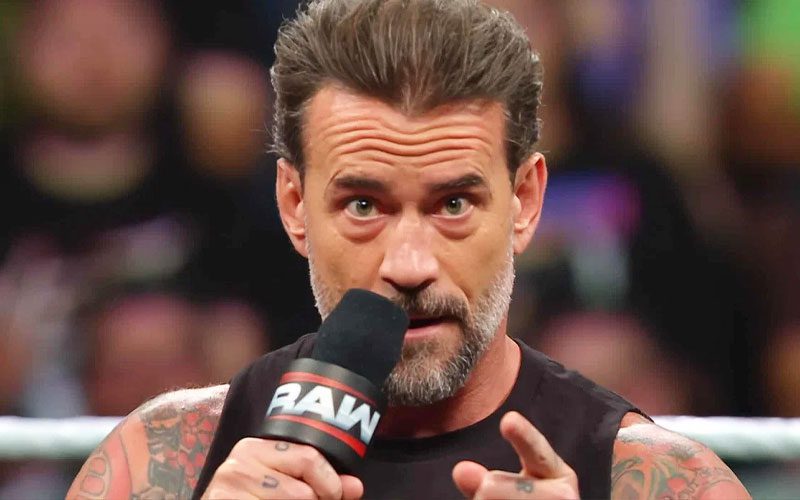
Why AEW should avoid the nostalgia trap with Mick Foley
The temptation of the legends contract
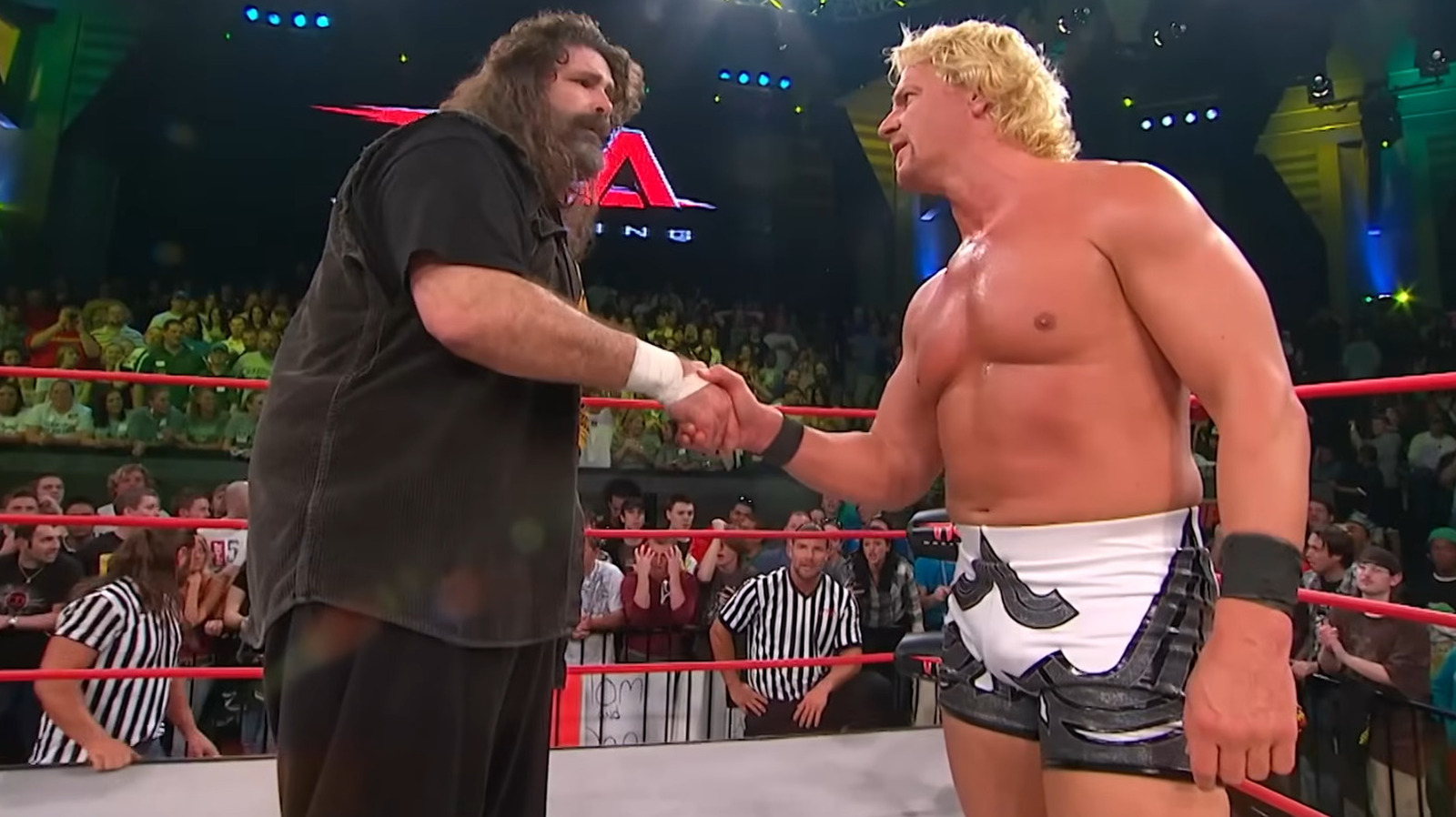
Jeff Jarrett recently weighed in on the prospect of Mick Foley stepping back into an All Elite Wrestling ring. The sentiment is understandable from a promotional standpoint. Wrestling promoters, by nature, prioritize household names to sell tickets and drive ratings. However, viewing the roster through the lens of 1990s television history often obscures the structural issues currently plaguing AEW.
We have seen this cycle repeat across multiple promotions over the last decade. A veteran returns for a one-off bout, usually predicated on a microphone segment rather than a physical build. It serves as a short-term spike in curiosity while potentially undermining the credibility of full-time talent who are working 200 days a year. If Foley were to compete, the inevitable question of intensity arises. At this stage in his life, any match involving him would rely almost entirely on sports entertainment tropes rather than technical wrestling.
The opportunity cost of screen time
AEW is in a position where it needs to cement its current stars, not look back at the Attitude Era. The company has a roster rich in technical depth and emerging narratives that require 15-minute segments to reach full maturity. Every minute dedicated to a nostalgia act is a minute stolen from athletes like Swerve Strickland or Will Ospreay.
We have documented the extreme financial lengths some fans go to interact with their icons, suggesting the audience is already deeply invested in the lore. Using that investment to bridge the gap toward new stars is the primary challenge for Tony Khan. Bringing in a name from the past does not move the needle for the hardcore demographic; it merely delays the necessary process of building a new core audience.
The logistical reality of the 2026 roster
The recent commentary from Jarrett highlights a disconnect between the promoter's desire for buzz and the reality of the locker room. The mid-card remains volatile, with title scenes often feeling disconnected from weekly momentum. As noted regarding the booking rhythm heading into Night of Champions, failing to establish clear, linear stories makes high-profile cameos feel desperate rather than additive.
A promotion operates at its best when the stakes are internal. If a veteran enters the mix, their presence must serve the story of the active champion, not take focus away from the belt. If the intention is to book a spectacle, the company should look at the internal records: what is the xG of a high-stakes match involving a established worker versus a nostalgia act? Analytics almost exclusively favor the former.
The risk of eroding equity
Physical risk aside, there is the issue of diminishing returns for the brand itself. Foley defined a standard of brutality in the 1990s that is physically impossible to match by current regulatory and medical standards. Asking him to step into a ring post-2025 invites unfavorable comparisons to his own legendary career. It creates a ceiling for the performers working beside him, who are often forced to work down to the limitations of the guest.
The fans deserve a product that honors its history by creating new history. Following the conclusion of the King and Queen of the Ring, the momentum currently exists to push new winners into the main event. Keeping the focus on that path is the only sustainable strategy for the brand. The industry is currently littered with too many examples of promotions prioritizing a cheap pop over long-term narrative integrity. AEW has the tools to be different—they should use them.
Funko Pop! WWE: "The American Nightmare" Cody Rhodes #152
The heir to the throne, ready to finish the story on your shelf.
Frequently Asked Questions
Why are experts concerned about Mick Foley potentially wrestling in AEW?
What is the primary risk of booking nostalgia acts in AEW?
How does relying on past legends impact active AEW wrestlers?
What should the role of a wrestling veteran be according to the article?
Why is it difficult for legends like Mick Foley to match their past work?
More Coverage
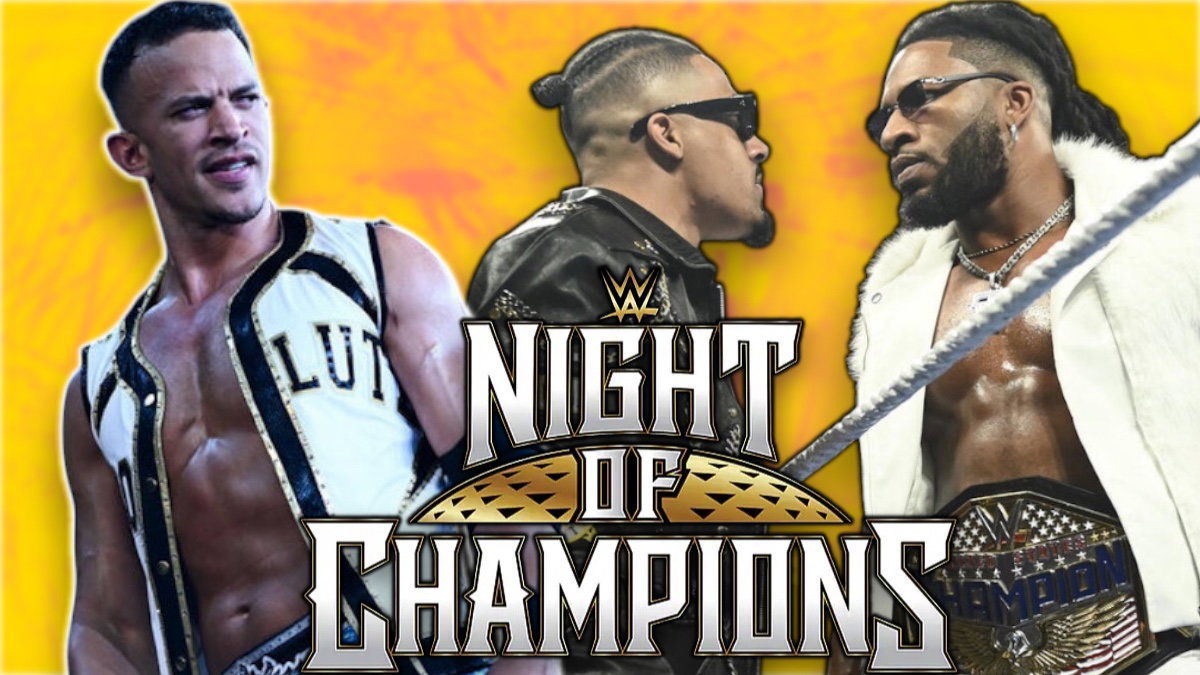
WWE Night of Champions 2026 needs more than just title bouts
2 hours ago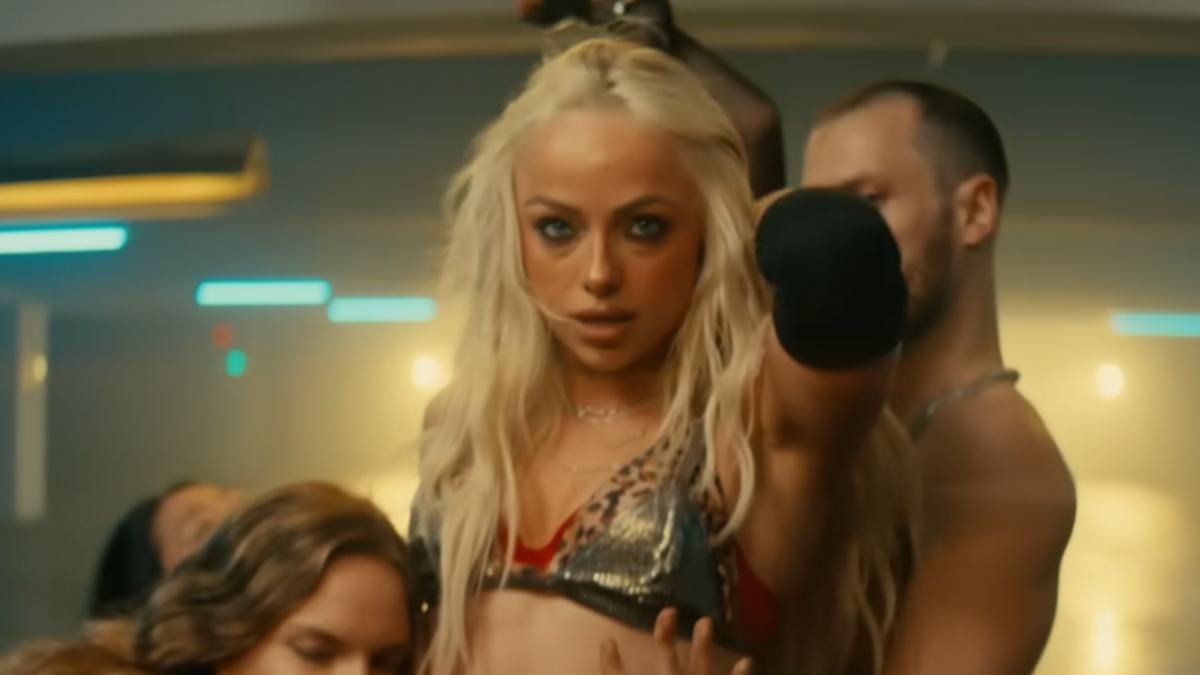
Top 10: Defining Moments in Recent Sports Entertainment
2 hours ago
Steve Maclin’s TNA departure highlights a wider talent retention issue
2 hours ago
SmackDown is stalling as Night of Champions looms
4 hours ago
AEW's Summer Blockbuster needs more than just star power
4 hours ago
John Cena’s classic tournament faces a reality check before it even begins
6 hours agoMore Analysis
WWE's missing stars explain the current post-WrestleMania hangover
2 hours ago
WWE Night of Champions 2026 needs more than just title bouts
2 hours ago
Top 10: Defining Moments in Recent Sports Entertainment
2 hours ago
Liv Morgan's pop star pivot is polarizing the hell out of the IWC
2 hours ago