The ladder match shift at AEW Redemption
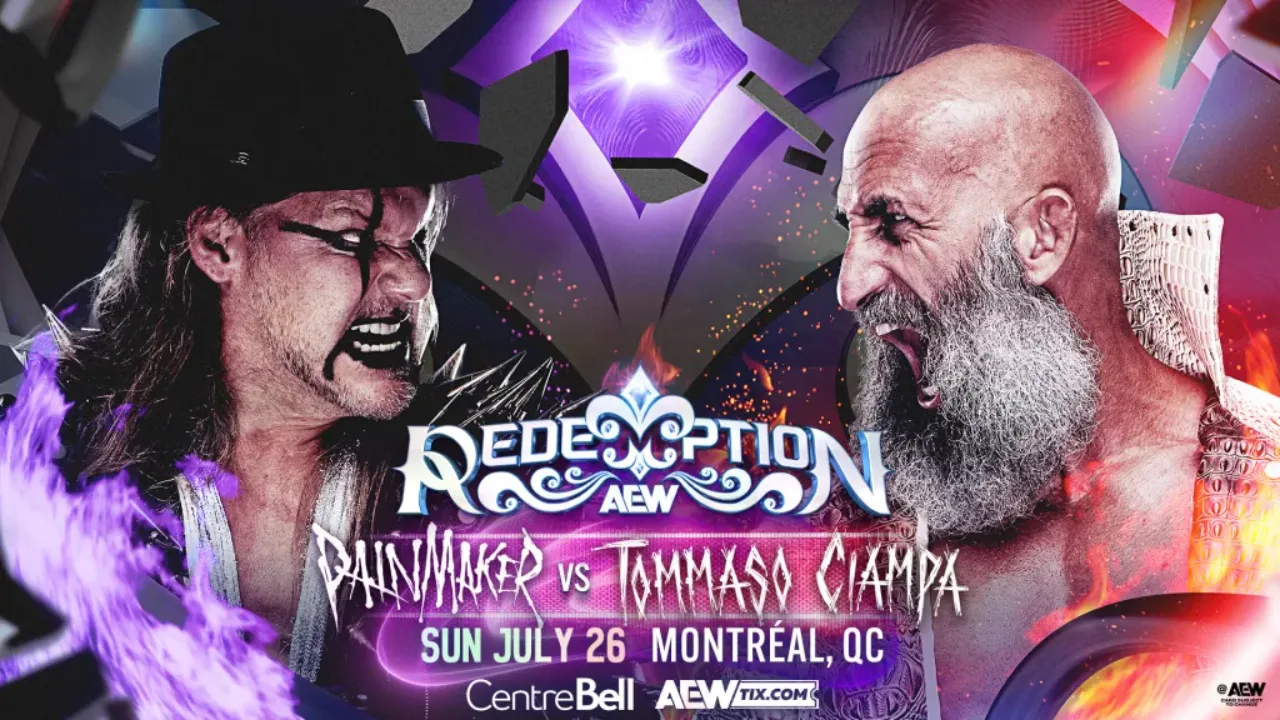
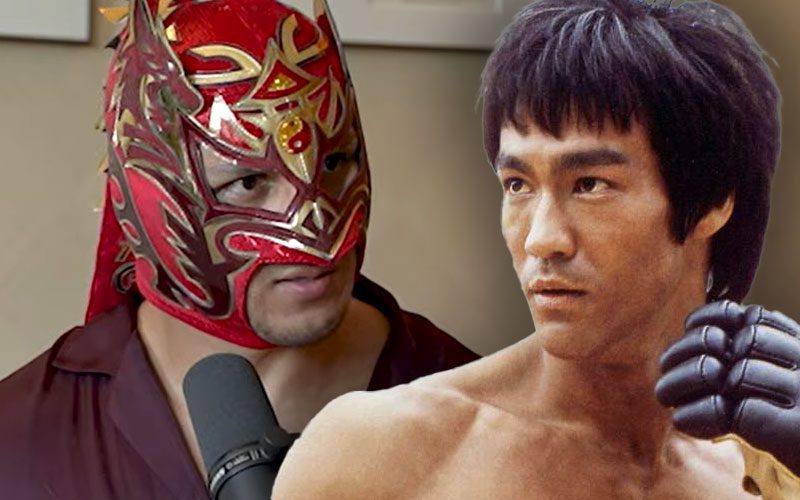
The card for AEW Redemption is undergoing a forced tactical recalibration. Following Mistico’s injury, the promotion has pivoted to a six-way ladder match to fill the void. This isn't just a substitution; it changes the entire structural integrity of the event's pace. A ladder match acts as a high-velocity reset button, demanding a specific set of physical risks that traditional singles bouts do not require.
We have to question the reliance on high-spot gymnastics to salvage a main card when marquee talent goes down. The sudden shift indicates a lack of secondary storylines that could hold weight without constant athletic escalation. Watching six men navigate verticality rather than technical foundation feels like an admission that the booking team prefers spectacle over methodical storytelling during injury crises.
The CMLL and Stardom tug-of-war
Promotional scheduling is becoming an increasingly jagged puzzle as companies rely on international partnerships. Eddie Kingston being pulled from a confirmed August independent date due to a CMLL commitment underscores the unpredictable nature of modern contracts. When independent promoters lose headliners, they lose more than just a name; they lose the ticket-selling security that keeps grassroots wrestling solvent.
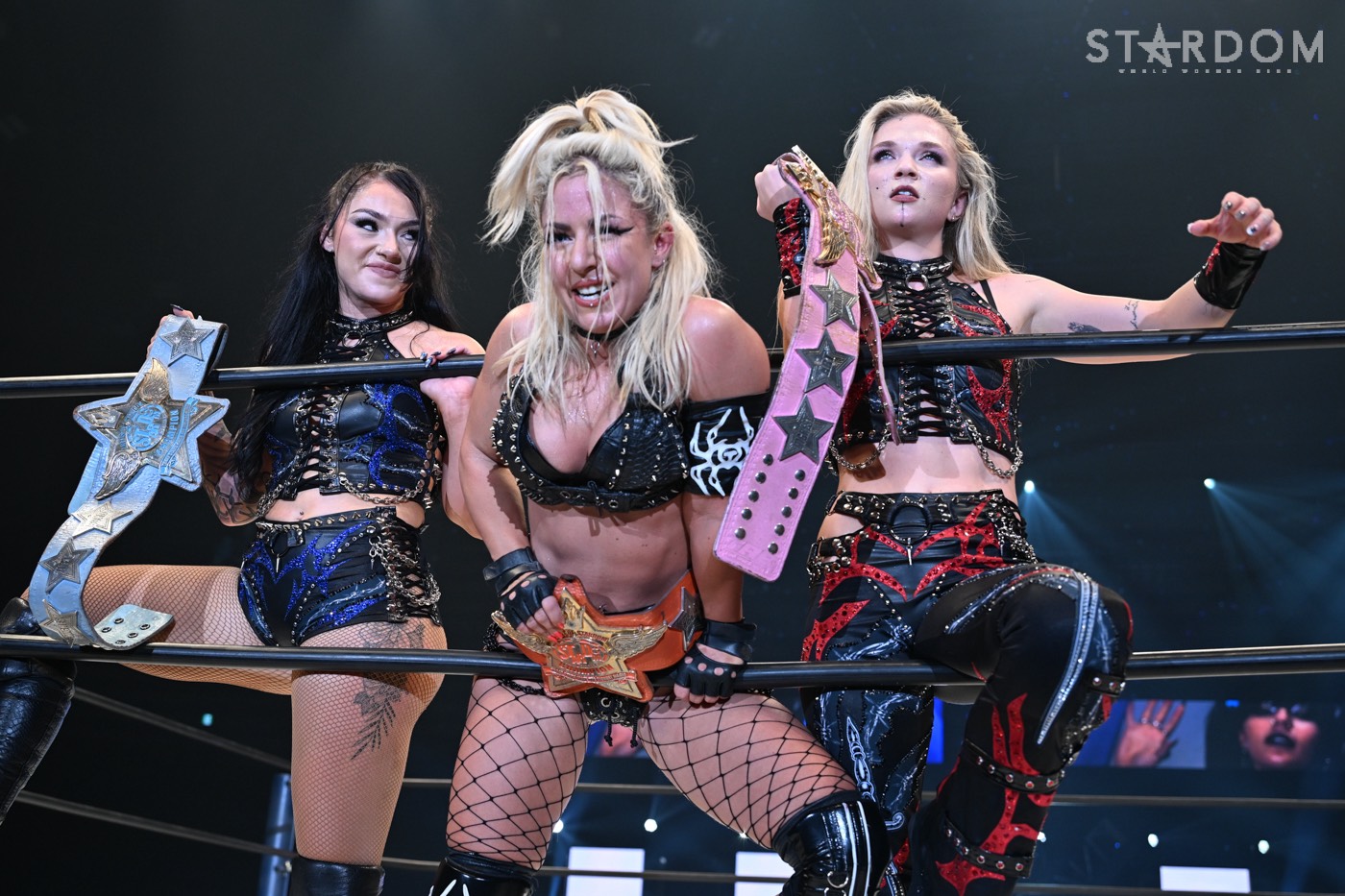
Similarly, the shuffle surrounding WrestleCon highlights the friction between regional loyalties and broad expansion. Julia Hart being pulled for Stardom commitments, only to have Zelina Vega fill the vacancy, shows how roster availability is volatile. These are not isolated incidents but symptoms of a wider disconnect between global talent sharing and local promoter expectations.
The statistical reality of the ladder
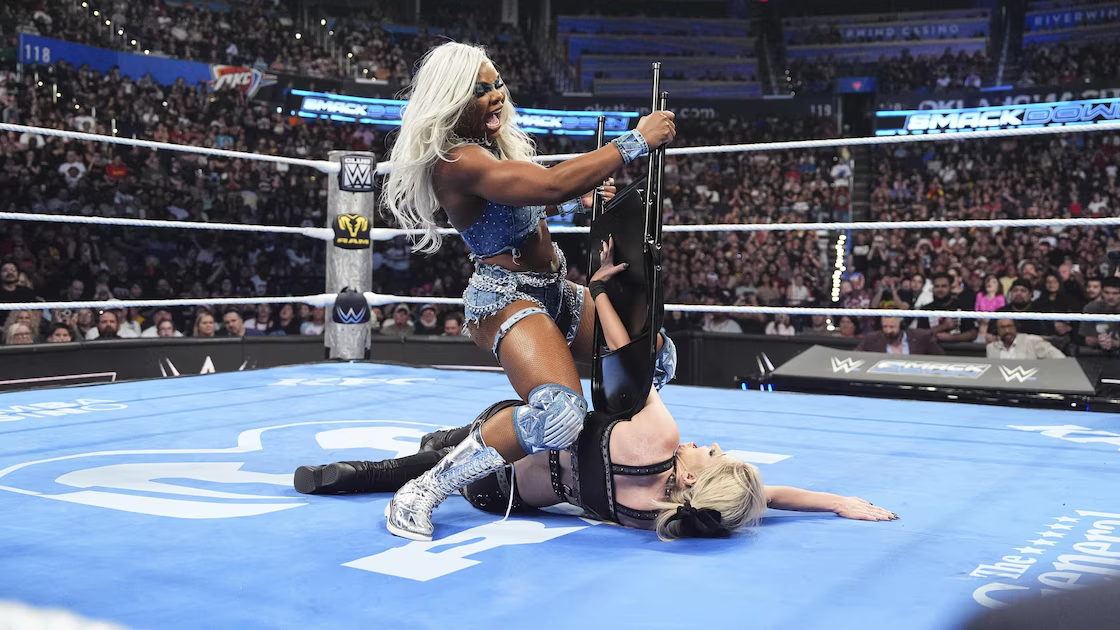
In a six-way ladder match, the variables for failure increase exponentially. With so many bodies in the ring, the margin for error on high-risk maneuvers is razor-thin. We often praise the athleticism, yet we ignore the inefficiency of the format. Statistically, the successful climbing rate in these bouts is surprisingly low, with matches often devolving into sequence-heavy exchanges that prioritize camera angles over logical win conditions.
A critical observation here involves the fatigue factor. If the match duration exceeds the 22-minute mark, the quality of execution typically drops by roughly 40 percent as the performers accumulate structural damage from repetitive impacts with steel. Expect a frantic opening, a sag in the middle, and a series of desperate near-falls that lack the earned tension of an actual wrestling match. This is a stop-gap measure that puts the performers at risk to distract from a thinner-than-intended final card.
Prediction
The ladder match will serve as the opening highlight rather than the definitive closer of the night. It will generate noise, but it lacks the narrative weight to justify its inclusion on such short notice. I predict that the chaos will see a chaotic finish where the winner barely survives the climb, leaving the audience breathless but ultimately dissatisfied with the lack of a personal, grounded antagonist for the upcoming cycle of television. The unfortunate nature of Mistico's injury has forced AEW into a corner, and their move to the ladder is a frantic attempt to buy goodwill they have yet to actually earn this season.