The mounting pressure on Tony Khan
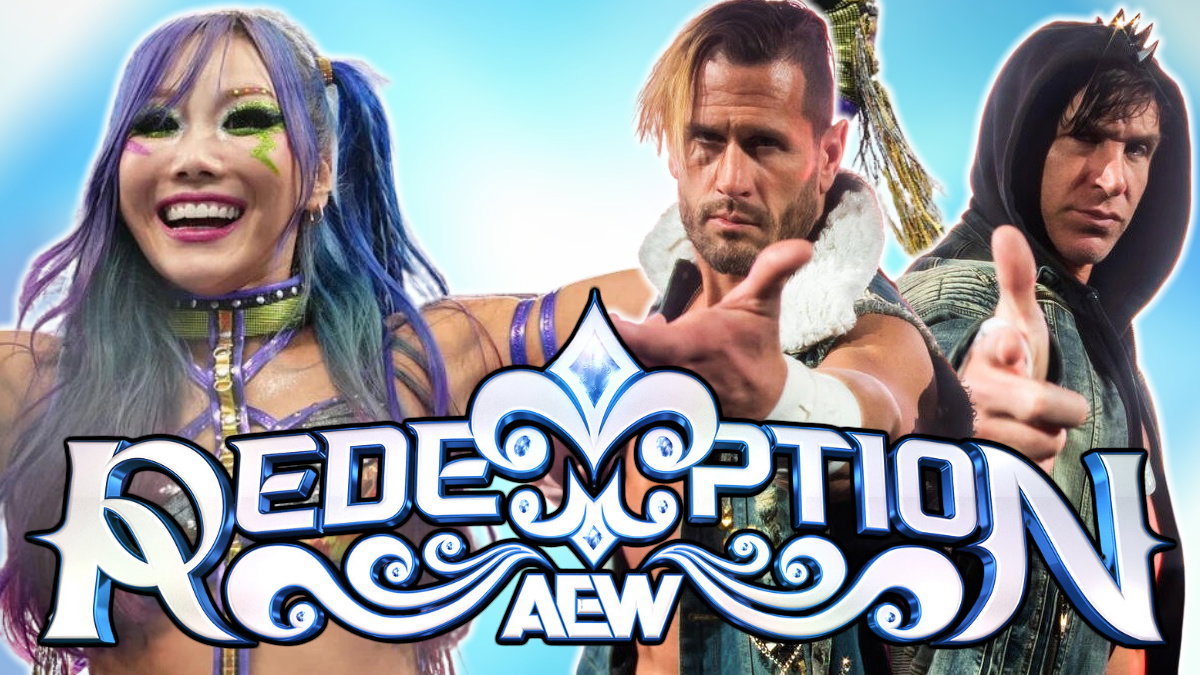
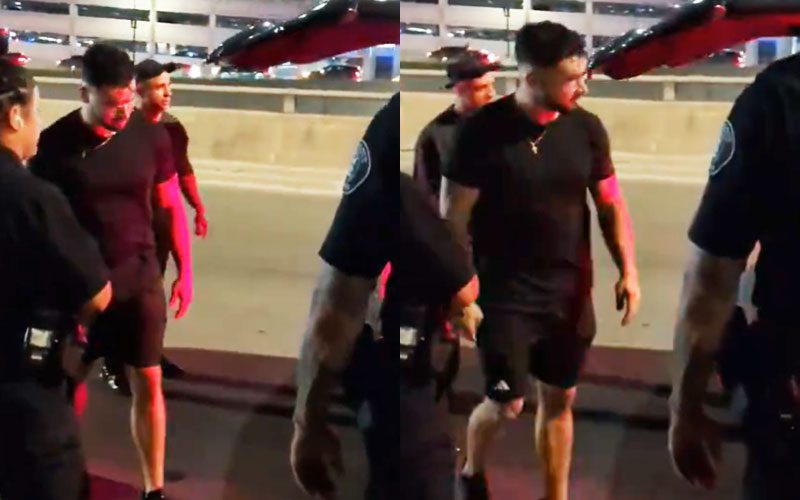
The June 6 episode of Collision at the Covelli Centre in Youngstown was supposed to be a showcase of momentum. Instead, it exposed the fragility of a roster tied to international logistics. As Ringside News reported, last-minute travel delays from Mexico forced Tony Khan to scramble, fundamentally altering the show's structure just hours before airtime.
This isn't a minor administrative hurdle. When a card is rearranged under duress, the fluidity of the product suffers. We saw the ripple effects in Youngstown, where the focus shifted heavily toward tournament implications and qualifying bouts rather than established feuds. It is a recurring issue that makes the weekly television product feel like a rehearsal for a pay-per-view rather than a standalone event.
The Owen Cup shift
The Owen Hart tournament remains the primary engine for Collision right now. The match between Hazuki and Persephone was arguably the night's technical anchor, yet it felt disconnected from the stakes. While the wrestling held up, the booking prioritized the bracket over the individual stories. As detailed in the PWTorch report, the inclusion of multiple tournament-adjacent segments left little room for character development.
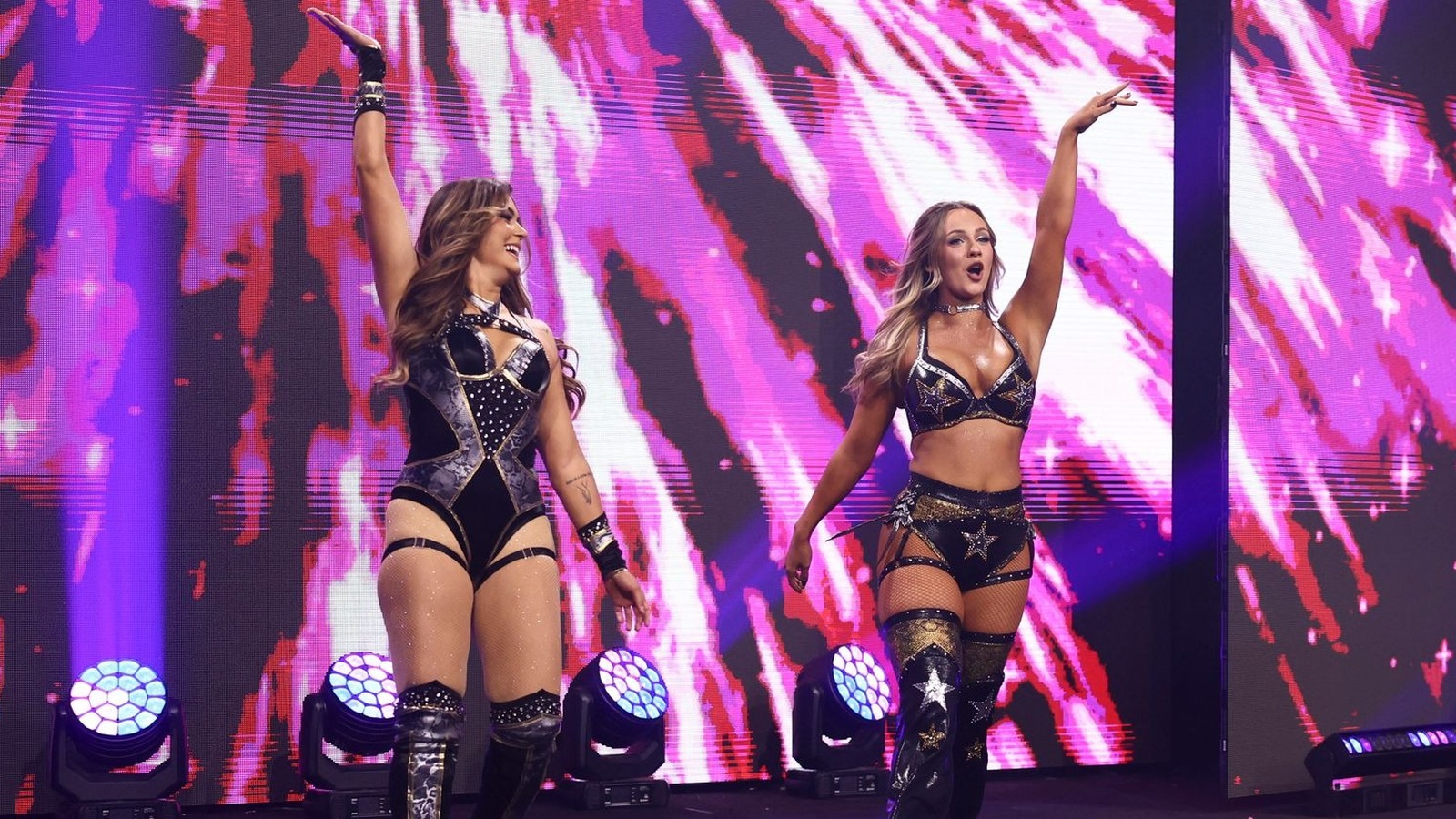
TayJay surviving a 5-minute Tag Team Eliminator against Divine Dominion was a functional piece of booking, but the ceiling on that contest was set low by the time constraints. You cannot tell a compelling story in a match that functions merely as a gateway to gold. It devalues the win and leaves the victors without a distinct narrative path.
Flaws in the format
There is a glaring lack of consistency in how the trios titles are being treated. Watching the Conglomeration tangle with LFI felt like a mid-card filler despite the talent involved in both units. The audience could sense the transition; the energy in the building flagged because there was no sense of imminent danger or title movement.
The reliance on these qualifying matches creates a stagnant feedback loop. We are marking time until the next big event in the calendar, which is a dangerous strategy when you are trying to hold a live audience on Saturday nights. If the show doesn't provide a reason to sit through two hours of television beyond tournament mechanics, viewers will eventually turn the channel.
The outlook
I anticipate the fallout from this week's disjointed presentation will force a shift in how they handle talent logistics. Khan needs to move away from these tight, tournament-heavy cards if he wants to win back the casual eyeballs that have drifted elsewhere. The current reliance on bracket-filling is an admission that there is no creative vision for the mid-card outside of the occasional title defense.
My prediction for the coming weeks is grim: until the travel issues for international talent are solved with more redundancy, expect more last-minute swaps that result in predictable, low-stakes TV outcomes. The Collision product currently sits at 4 out of 10 in terms of narrative quality. They have the horses to run a great show, but right now, they are stuck in the gate.