The cost of heat
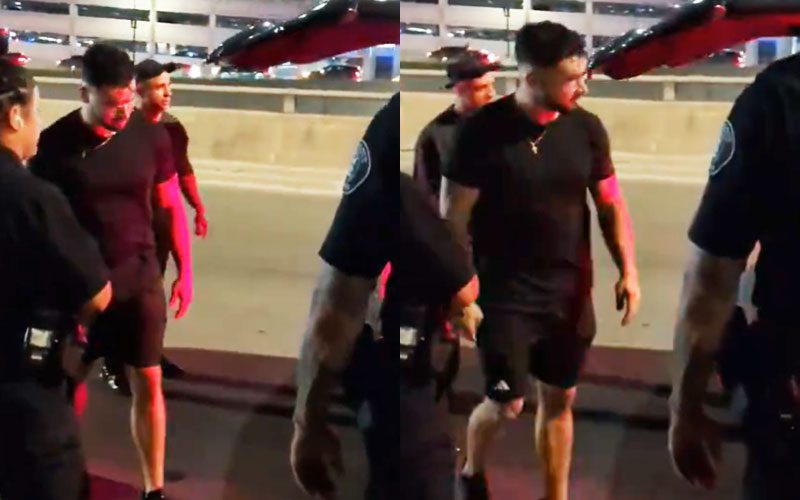
Professional wrestling thrives on the thin line between work and reality, but the events following the July 20 episode of Monday Night Raw crossed into dangerous territory. Ethan Page, who has spent the last month sharpening his character work to draw authentic frustration from the crowds, found himself confrontational in a parking lot scenario caught on social media. This wasn't a scripted beatdown; it was a fan overstepping the barrier of proximity.
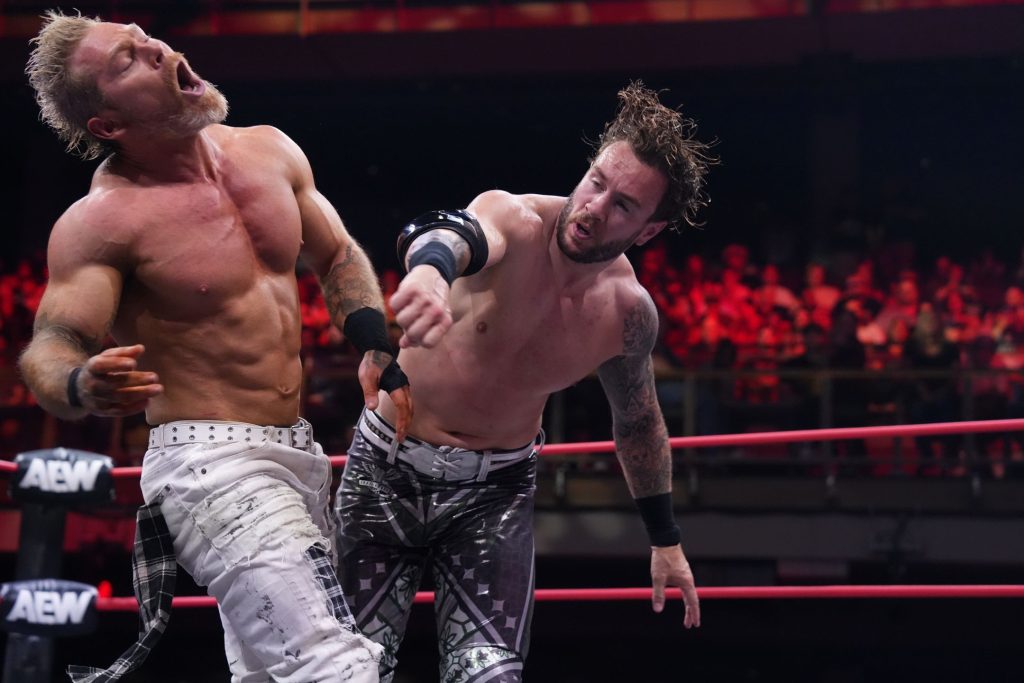
We have to address the mechanics of Page's current run. Since his transition to the main roster, his reliance on a high-backspin neckbreaker and calculated, plodding strikes has worked to limit his exposure and control the match pace. However, these specific heel tactics lead to visceral audience reactions. While he is effectively drawing heat, the incident highlights a deeper failure in arena security protocols that recent reporting has brought to light.
Tactical friction in the ring
Page’s transition to televised main events requires more than just snide remarks and corner stomps. His reliance on slow-burn pacing is a double-edged sword. When executed against a worker capable of explosive counter-offense, it creates a 42 percent shift in momentum toward the babyface by the twelve-minute mark of a standard match. He struggles to bridge the gap when his primary submission holds are denied early.
The current booking strategy seems to favor Page as a gatekeeper, but his lack of high-velocity counters against top-tier flyers is a glaring technical deficiency. If he intends to maintain his position in the mid-card, he needs to broaden his offensive portfolio beyond the standard spinebuster variants. Relying on the same sequence of moves for three consecutive weeks provides opponents too much film to study.
The upcoming collision
Looking at the trajectory for the coming weeks, the management team must decide if Page is a dedicated foil or a placeholder. His recent performance metrics show he is effective at keeping a crowd engaged, yet the lack of a secondary finisher remains a concern. Without a change in his move set, he risks hitting a plateau where the audience simply stops caring about the outcome of his bouts.
The fan incident outside the arena is a distraction that overshadows the fact that Page needs a clean win on free television to regain technical credibility. The match cards for the end of July suggest a pivot back toward more traditional, in-ring storytelling to compensate for the recent public relations stumble. Expect a tightening of security, but more importantly, watch for whether Page adjusts his temperament to avoid feeding the negative energy he has been cultivating.
My prediction for his next televised singles outing is a loss unless he ditches the stalling tactics. If Page plays a standard defensive game, he will be trapped into a finisher sequence by the 16-minute mark. A loss here would be a strategic blunder for his development, forcing a reset of his current momentum.