The Defining Shifts in Professional Wrestling
Modern WWE television thrives on the pivot. A single night can reset multi-year arcs and flip the industry upside down for investors and fans alike.
These ten moments represent the apex of that volatility. They are the benchmark for how to balance character shifts with long-term booking strategy.
The Hierarchy of Impact
- The Shield Triple Threat at Battleground 2016. This marked the absolute peak of the post-nXT generation as Dean Ambrose, Roman Reigns, and Seth Rollins finally locked horns. The chemistry was undeniable, and the stakes of the Raw main event slot cemented the brands' future direction. It ranks first because it signaled the end of one era and the launch of three distinct main-event careers.
- Cody Rhodes defeats Roman Reigns at WrestleMania 40. Ending a 1,316-day title reign requires perfect execution. Rhodes taking the belt in Philadelphia was the culmination of a two-year chase that forced the company to acknowledge fan sentiment. It sits behind the Shield split because it was a coronation, whereas the Shield moment was an explosion of potential.
- Daniel Bryan occupies the ring at Raw (2014). Wrestling history changed in the span of one commercial break. The Yes Movement refusal to leave the squared circle forced a pivot from a Batista-Orton main event to the rightful conclusion for Bryan. It remains the gold standard for fan participation influencing booking decisions.
- Becky Lynch breaks her nose before Survivor Series. The visual of a bloodied, defiant Lynch standing in the crowd is iconic imagery for the modern era. While unplanned, it created an organic level of support that defined the 2018-2019 season. It edges out other moments because it happened entirely on intuition rather than a script.
- CM Punk returns in Chicago (2021). The sheer volume of emotional investment in this moment defies standard metrics. Whether you view his tenure as a success or a headache, the impact on business during that specific week was unparalleled. It drops to fifth due to the subsequent operational difficulties during his run.
- Kofi Kingston wins at WrestleMania 35. KofiMania provided the emotional heartbeat for a year of television, culminating in a pristine clean finish against Daniel Bryan. It proved that mid-card acts could sustain main-event momentum through pure crowd connection. It lacks the massive long-term narrative shift of the higher entries, but it remains a masterclass in pacing.
- Randy Orton burns the Firefly Fun House. Watching a veteran like Orton commit to the surrealist horror angle with Bray Wyatt showcased, for better or worse, the reach of experimental storytelling. It was a bizarre, divisive choice that generated massive social engagement numbers. It ranks here because it was the last time the company truly leaned into the supernatural before Wyatt's extended departure.
- Brock Lesnar ends the streak at WrestleMania 30. This was a jarring, cold-blooded decision that left the Superdome in a state of genuine shock. Many still argue it was the wrong move for the streak itself, but the resulting fallout defined the next decade of Lesnar's career. It was a failure of sentimentality that succeeded as a shock-value narrative tactic.
- Bayley debuts at NXT TakeOver: Brooklyn. This remains the most grounded "moment" on the list, focusing on pure, high-level athleticism rather than shock booking. The finish against Sasha Banks provided the template for modern women's wrestling main events. It sits at number nine only because its impact was localized to the NXT brand rather than the global stage.
- The Rock returns to face Roman Reigns (2024). The star power alone justifies its place, acting as an accelerant for the WrestleMania 40 build. It was a massive short-term win that felt monumental, though it necessitated a last-minute scramble to reorganize the planned card. It closes the list because it was a reaction to external pressure rather than an internal story beat.
The Big Picture
Moments in wrestling are rarely about the move performed; they are about the temperature of the audience at the instant the bell rings. These selections define the 2014-2026 era by capturing when the story finally caught up to the fans' desire.
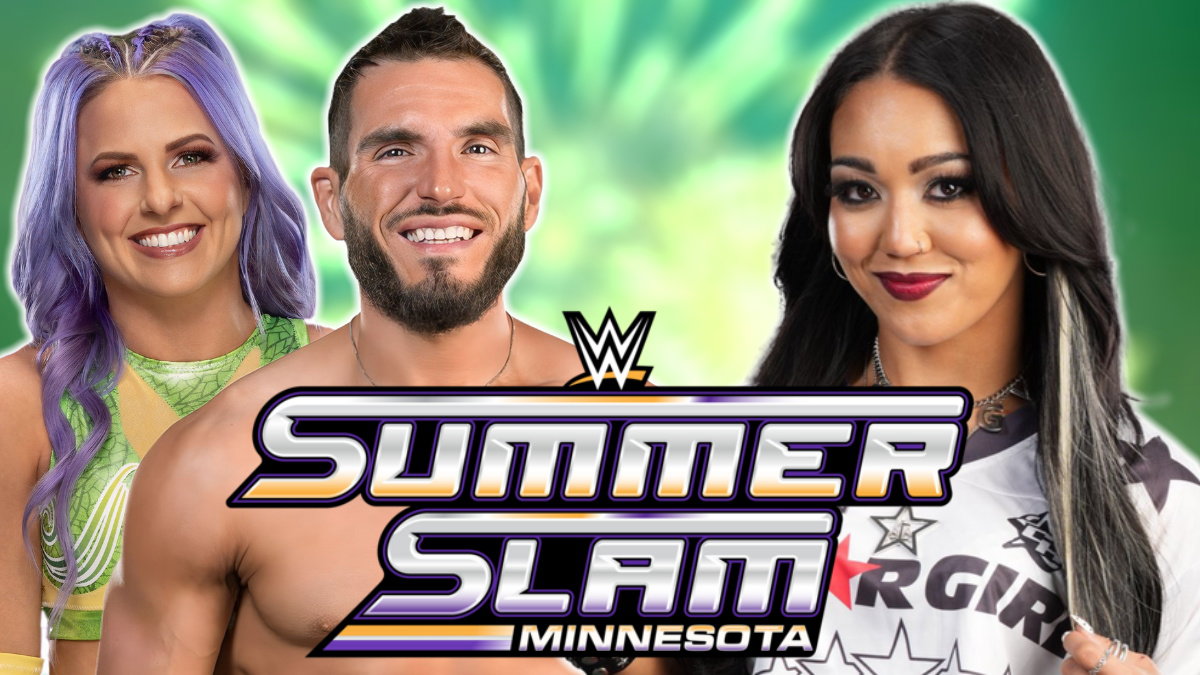
While booking can often feel stagnant, these ten instances prove that sudden, aggressive shifts in narrative drive the needle. As the industry moves into the SummerSlam 2026 cycle in Minneapolis, the question remains whether management can replicate these peaks without relying on nostalgia. The best moments on this list were born from risk, often failing to satisfy every demographic, but providing a singular, undeniable impact point that defined the year.
Honorable Mentions
Honorable mentions include the Edge return at the 2020 Royal Rumble and the initial NXT invasion of SmackDown in 2019. Both contributed to shifting brand perception, though neither quite reached the sustained narrative impact of the top 10. The 2019 invasion was particularly hampered by short-term booking that failed to capitalize on the momentum of the invading talent pool, proving that a major moment is only as valuable as the creative follow-through that comes directly after the payoff.