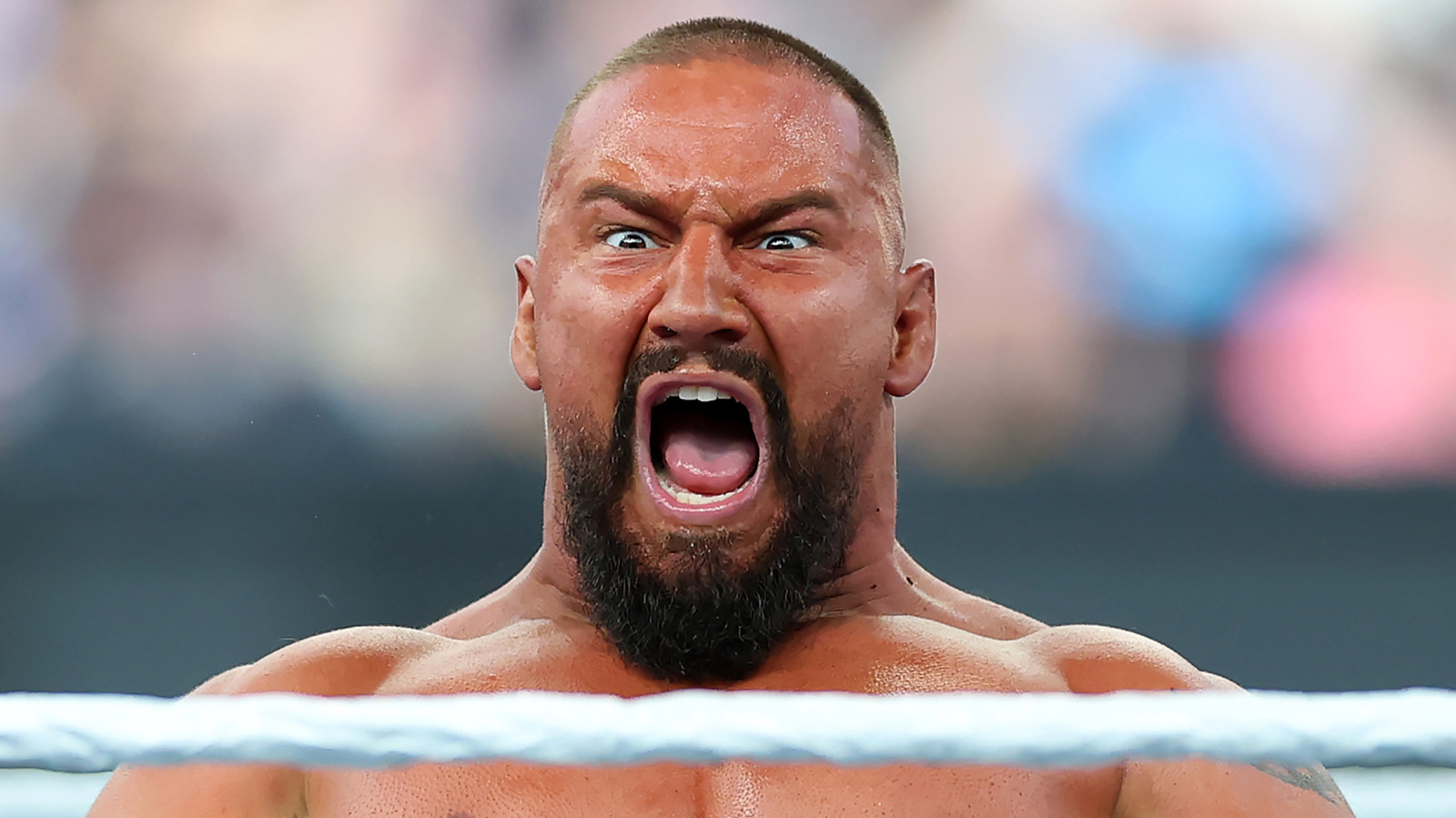
Inside look at the WWE physical toll
The latest installment of WWE Unreal offers a raw look at the physical tax exacted on Bron Breakker and Bronson Reed during their respective 2026 campaigns. Season three, episode four strips away the polished veneer of television production to reveal the specific injury battles both performers underwent earlier this year.
Television editing often masks the timeline of real-world recovery. By documenting the training room sessions, the production highlights exactly how different the reality of a locker room is compared to the narrative arc played out on Monday Night Raw. It effectively manages expectations for fans who often mistake pre-taped segments for current live availability.
Bron Breakker's road back
Breakker has cultivated a reputation for high-impact offense, including his signature Spear and military press powerslam. The footage confirms that the speed and force required to execute these moves consistently took a toll on his body early in the calendar year. Recovery protocols shown in the episode prioritize functional mobility over bulk training.
Monitoring how Breakker manages his load remains the primary concern for the creative team. If the company continues to book him in high-intensity spots, the risk for recurrent issues remains elevated. The footage clarifies that this wasn't merely a minor knock, but a structural issue that required a calculated hiatus from television.
Bronson Reed's recovery timeline
Bronson Reed features heavily in this episode as well. His physical profile necessitates a different type of medical maintenance, focusing heavily on joint health and lower-body stability. Seeing the training staff work through these specific anatomical challenges provides needed context for his erratic television presence.
The transparency here is a net positive for those following the industry, but it underscores a recurring problem. Relying on deep-tissue updates after the fact confirms that WWE is operating with a high-attrition roster. Fans are left wondering if the current training staff can keep up with the demands of an expanded premium live event schedule.
Industry outlook
Documentary-style content provides a unique look at the professional wrestling grind, but it often serves to retroactively justify booking decisions made during downtime. When a performer like Breakker disappears, the audience is left guessing. By confirming the injuries via this series, WWE is effectively apologizing for the lack of availability without breaking kayfabe.
The lack of standardized injury reporting in professional wrestling makes these snippets essential. Unlike major league sports teams, there is no official league-wide injury report published weekly. Projects like WWE Unreal essentially fill the void for fans thirsty for legitimate status updates. It shifts the discourse from speculation to confirmed medical history.
Production transparency vs reality
The edit emphasizes that the recovery process is not linear. There is no simple return date for a high-impact heavy or a high-octane powerhouse. Both men represent two different extremes of the company's current medical strategy. Reed requires long-term maintenance, while Breakker is learning to throttle his own intensity.
Critics will argue that this content is just additional marketing fluff buried behind a streaming paywall. However, the footage serves a functional purpose for the hardcore audience. It provides a rare, grounded perspective on why top-tier talent is frequently shuffled in and out of the active rotation.
The reliance on these types of features is increasingly standard in the post-pandemic era of wrestling. As recent reports suggest, the health of the roster is the primary variable in long-term fiscal success. If these men are pushed to the limit again without significant adjustments to their respective move-sets, the medical staff will simply have to repeat these recovery procedures by the next quarter.
The bottom line on roster health
The episode reinforces that Breakker and Reed remain essential components of the flagship shows. Without them, the mid-card talent pool suffers, and the intensity of Raw drops significantly. Their return to health isn't just a personal success; it is a vital injection of energy for the television product.
We can expect to see further integration of these 'behind the curtain' segments moving forward. This is the new way to manage fan frustration during injury layoffs. Keeping the talent visible on screens, even if they aren't taking bumps, maintains their equity with the audience during the recovery window.
The reality is that these documentary segments, while informative, are limited. They focus on the triumph of the recovery rather than the failure of the original safety measures. It remains an imperfect solution for a company struggling to balance a 52-week schedule with the physical fragility of the modern wrestler.
Read Next