The Double or Nothing Hangover
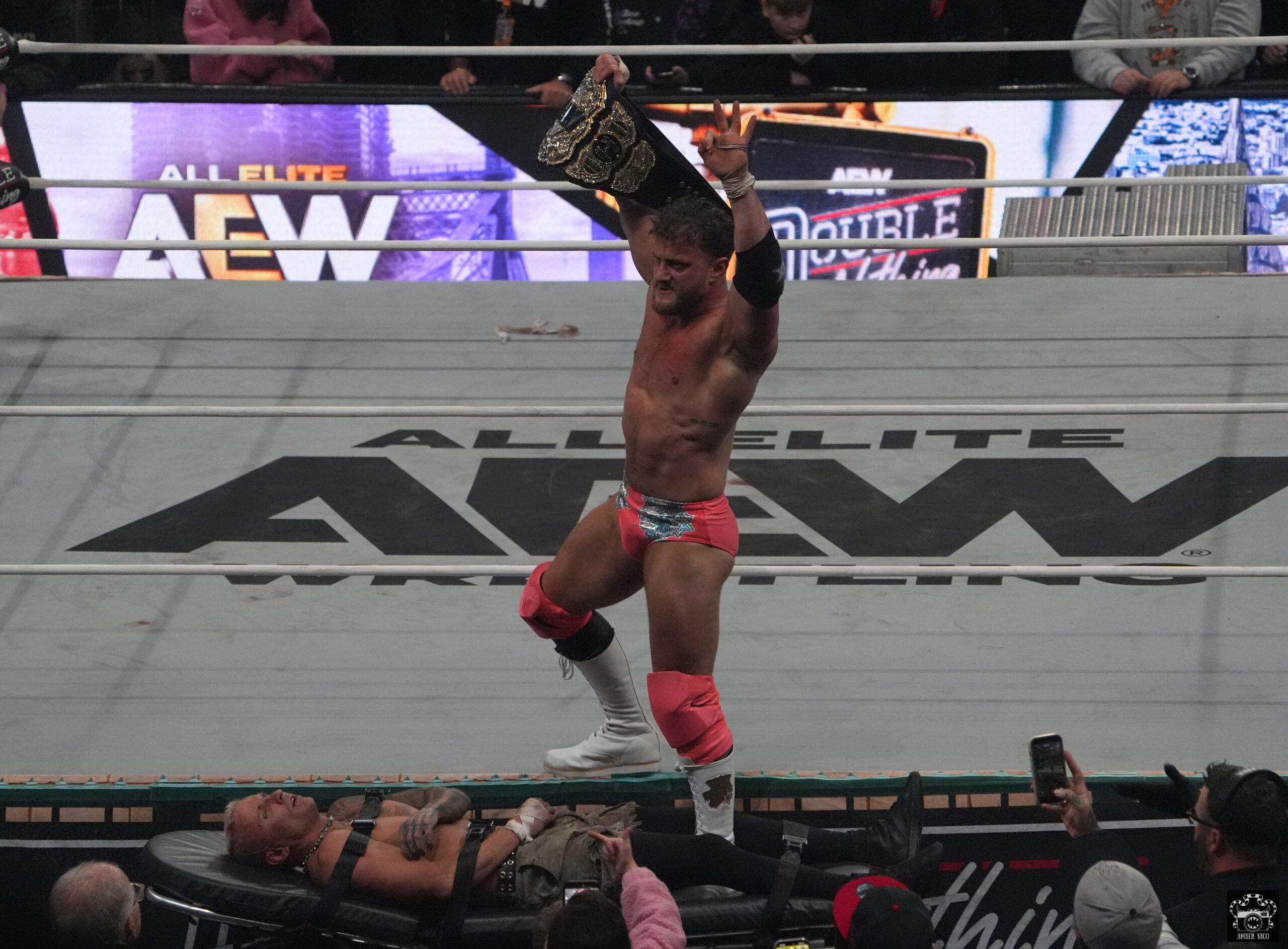
If you spent your Sunday night glued to the screen for AEW Double or Nothing, congratulations on your sleep deprivation. We officially have a new batch of results that sent the marks into a frenzy and the trolls into overdrive. It is the classic cycle of wrestling fandom: one half of the internet is ready to hand out Hall of Fame jackets, while the other is busy drafting a funeral oration for the entire promotion.
The discourse on the forums is exactly the dumpster fire you expected. On one side, you have the diehards who think every frame of television is a work of art. On the other, the skeptics are dissecting every missed spot like they are performing surgery with a rusty fork. It is a absolute mess, but honestly, that is part of the charm of professional wrestling.
The Great Divide
Let's talk about the actual heat generated by this card. The enthusiasts are currently hanging their hats on the pacing of the matches. You have users on the forums arguing that the technical sequences were peak storytelling, citing specific transitions involving chain wrestling that you just do not see on Monday nights. They are pointing to the work rate as a victory for the style of wrestling Tony Khan wants to showcase.
Then you have the pragmatists. These people are not buying the hype. One common point of friction is the reliance on high-risk maneuvers that felt a bit too choreographed. They argue that when you do a Canadian Destroyer on the apron, it needs to mean something more than just a setup for a kick-out at two. It is the age-old argument of flash versus psychology. Do you want a highlight reel or a cage match that feels like a legitimate fight?
The Booking Blunders
Nobody is safe from criticism, and rightfully so. The biggest point of contention remains the finish sequence in the secondary matches. Some fans are pointing out that the pacing felt disjointed, with referees seemingly ignoring common sense rules just to get to the next high spot. I watched the replay three times and honestly, some of those near-falls took the crowd right out of the building. You cannot keep going to the well and expecting the bucket to come up full every single time.
As PWInsider reported, there was a fair amount of backstage noise regarding the layout of the final segments. It makes sense, given how fragmented the reactions are. When the people in the back are split on the direction, it usually reflects in the product. You lose that singular vision and start leaning into whatever pops the crowd in the moment, rather than building a long-term story.
The Bottom Line
So, which side is actually right? If you look at the raw numbers, the engagement is still massive. People are obsessed, even the ones who claim they hate what they are seeing. That counts for something. My take is that the skeptics have the upper hand on the issue of consistency. You can host five-star clinics all night, but if the fans cannot follow the logic of the finish, you are just throwing athletic labor into the wind.
The enthusiasts want to turn a blind eye to the booking issues because they love the performers, and I get that. But ignoring a glaring lack of focus does nobody any favors. We saw some great talent get lost in the shuffle of a bloated card. The middle of the show felt like it was drifting, and in this market, you cannot afford to waste a single minute of airtime.
Let’s call a spade a spade. If your main event leaves people arguing about the referee hierarchy rather than the actual wrestling move that finished the match, you have tripped at the finish line. It is not about being a hater. It is about wanting the show to be as tight as the talent on the roster clearly deserves. We had some massive flashes of brilliance, followed by long stretches of narrative confusion that felt like a fever dream.
By the time we hit the 3-hour mark, the fatigue was setting in for everyone involved. I want to see cleaner booking decisions, less pandering to the loudest voices in the front row, and a clear sense of where the championships are going by the time we hit the summer cycle. The talent is there. The presentation is professional. Now, we just need a script that does not feel like it was written in a locker room with no lights on.
Read Next
- Double or Nothing 2026 could redefine the AEW main event picture
- Why MJF will reclaim the AEW World Championship at Double or Nothing
- Darby Allin is about to shave MJF's head at Double or Nothing
- The New York Athletic Commission is killing the vibe at Double or Nothing
- 🎲 AEW Double or Nothing 2026 — Full Coverage Hub