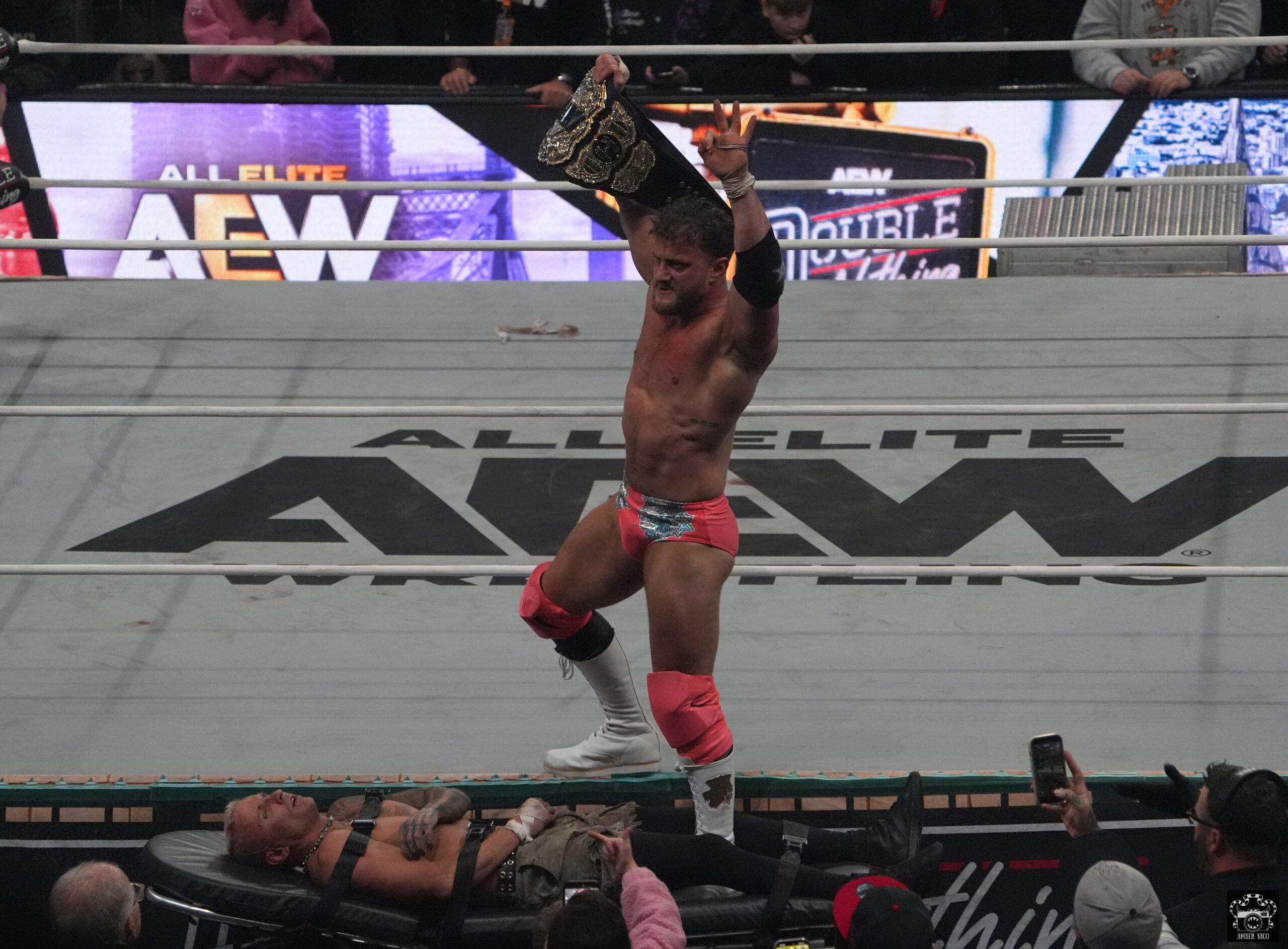
Double or Nothing proves AEW needs more than just spectacle
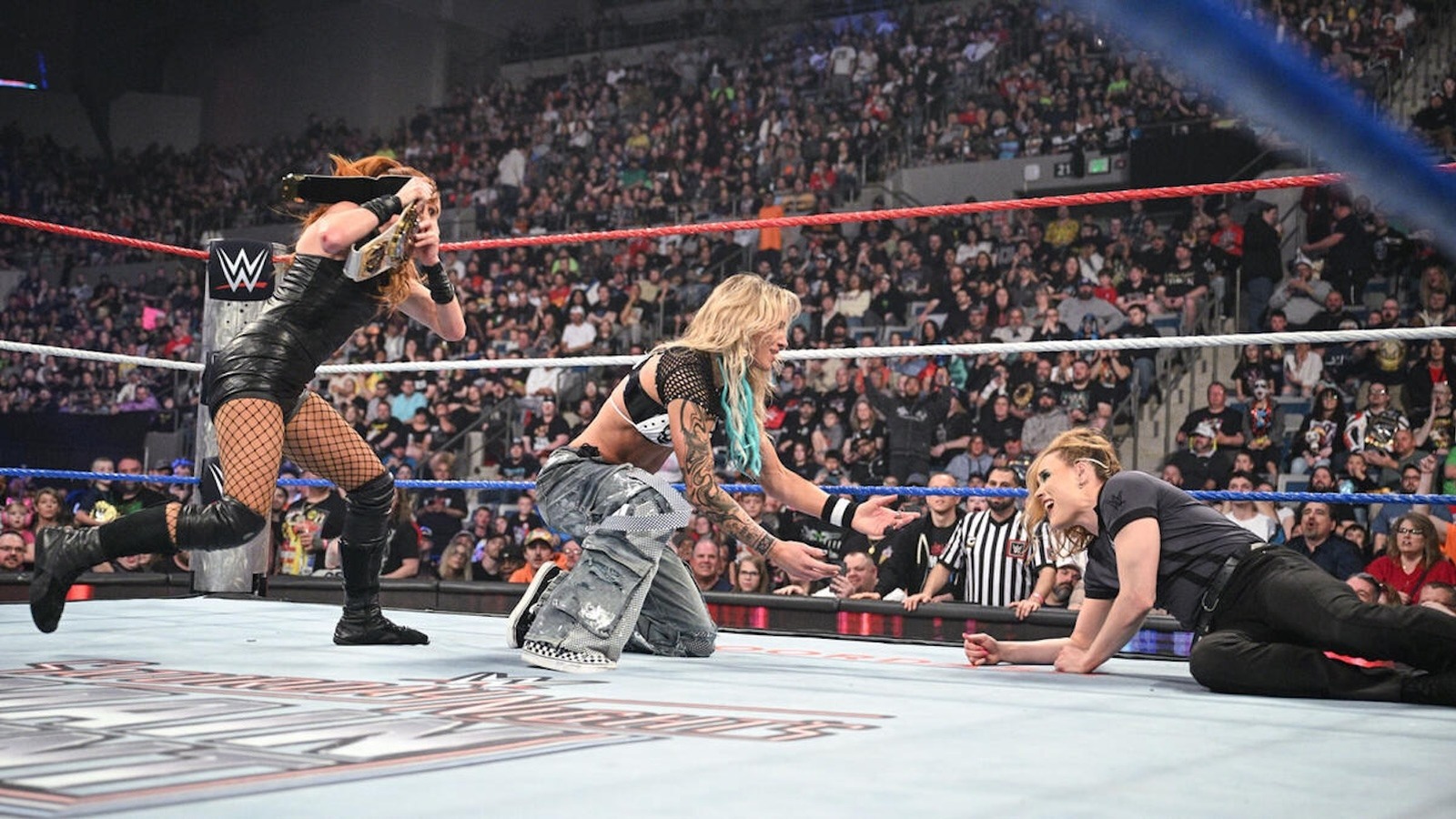
The statistical gap in AEW's marquee pacing
Double or Nothing has historically functioned as the promotion's bedrock event, a measurement of where the company stands in relation to their initial, high-flying promises. Following the events of this past weekend, the discrepancy between the flash of the pyrotechnics and the actual ring psychology has never been more apparent. While the engagement numbers often mask the deficiencies, the 2026 iteration highlighted a concerning reliance on secondary interference to bridge gaps in storytelling.
The pacing issues began midway through the card. Matches that demanded a slow, methodical build were instead accelerated to facilitate quick transitions to the next high-spot set piece. In a business where timing dictates the emotional payoff of a finisher, these premature accelerations felt hollow. When a performer launches into a signature move during a lull in the match without a proper setup, they aren't building a crowd; they are simply running through a checklist.
The McMahon trial and the industry's looming transparency
Simultaneously, the industry is bracing for the TKO merger lawsuit, an event that will influence how wrestling handles its internal governance far more than any creative decision made in the ring. With Vince McMahon, Paul Levesque, and Nick Khan listed as witnesses, the proceedings will likely strip away the mystique of the booking process. Corporate entities have spent years shielding their intellectual property under the guise of trade secrets or internal creative flow.
Now, these methods are effectively being booked into a courtroom setting. The disclosure of corporate filings will necessitate a shift in how fans analyze the "why" behind certain pushes and releases. It turns the entire industry into a forensic accounting exercise where the wins and losses on paper—like those detailed in recent industry reporting—are finally reconciled with the financial mismanagement that arguably fueled decades of stagnation.
Montreal and the logistical pressure of the summer
AEW is not just fighting in the ring; they are fighting a war of attrition on the calendar. By locking in the Redemption event for July 26 at the CentreBell in Montreal, as noted by WrestleTalk, management is signaling total commitment to international expansion. However, the travel logistics for a mid-summer show in Quebec are precarious.
Expanding the global footprint is a standard growth metric, yet it creates a recurring issue: roster fatigue. When you look at the workload of the top-tier talent, the frequency of sustained, high-impact performances is increasing. If the company fails to rotate its key assets correctly, we will see a tangible drop in match quality by the time the rotation hits the autumn months. Every booking error made today, every under-utilized talent, and every over-leveraged main eventer, is a debt that will collect interest by the end of July.
The flaw in the current booking philosophy
The core issue remains a obsession with the "now." By prioritizing the immediate, loud, and viral moment over the slow burn, promotions are leaving themselves vulnerable to diminishing returns. When 50 percent of your matches rely on a distraction finish or a run-in to protect a character's perceived status, you aren't protecting that status—you are admitting you don't trust the performer to win or lose on their own merit.
Refining the mid-card is the only solution. Without a stable of workers who can cultivate a narrative arc over a 15-minute contest without outside interference, the main events begin to feel repetitive. It is simple math: if the foundation is cluttered with interference, the top of the card inevitably suffers from fatigue. The focus for management, whether in Stamford or Jacksonville, must move away from the noise and back toward the fundamentals of the craft.
Final assessment
The industry is on the precipice of a shift. Between the legal discovery forced by the TKO proceedings and the logistical risks of aggressive touring schedules, the brands that succeed will be the ones that emphasize operational efficiency. If the goal is long-term stability, the booking needs to tighten up. We have hit the point where the spectacle is no longer a substitute for structural integrity.
Read Next
- Could MJF bridge the gap between AEW and the global stage?
- AEW's Double or Nothing left us with more questions than answers
- Je’Von Evans is winning over the WWE locker room one sequence at a time
- The TKO trial will finally unmask the chaos of the McMahon era
- 🎲 AEW Double or Nothing 2026 — Full Coverage Hub
WWE Encyclopedia of Sports Entertainment New Edition
The massive 416-page 'Holy Grail' of wrestling history updated for 2026.
Frequently Asked Questions
What were the primary pacing issues at AEW Double or Nothing?
How will the TKO merger lawsuit impact professional wrestling?
What are the concerns regarding AEW's summer scheduling?
Why is the reliance on secondary interference a concern for AEW?
Who are the key figures involved in the TKO legal proceedings?
More Coverage
Why WWE's Midcard is Cooking While the SummerSlam Main Event Stinks
48 minutes ago
Brock Lesnar and Oba Femi are playing with fire before SummerSlam
4 hours ago
Top 10: The Definitive Ranking of Mid-Year 2026 Wrestling Moments
4 hours agoWWE RAW Hit-and-Miss: Bron Breakker Demolishes, But Promo Parades Need to Die
4 hours ago
Danhausen's WWE status sparks wild speculation after RAW appearance
4 hours ago
Steve Maclin and Sami Callihan are leaving TNA and AEW is ready to pounce
4 hours agoMore Analysis
AEW Double or Nothing is a crossroads for the company
2 months ago
Double or Nothing needs a serious injection of reality
2 months ago
Why Double or Nothing needs to be AEW's reset button
2 months agoAEW's Double or Nothing left us with more questions than answers
1 month, 3 weeks agoDouble or Nothing carries the weight of a billion-dollar expectation
2 months ago