Legal transparency hits the AEW roster
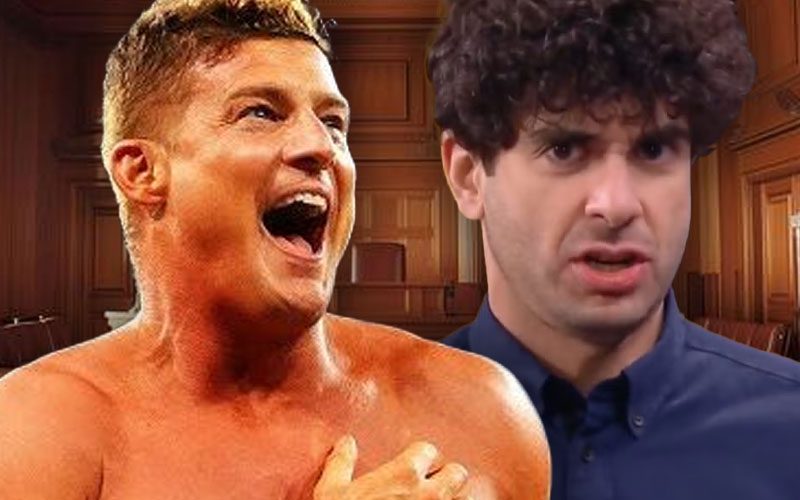
A significant shift in how professional wrestling handles internal documentation occurred this week. Magistrate Judge ruling mandates that AEW cannot fully seal wrestler contracts as part of the ongoing Ryan Nemeth legal dispute.
While the court allows for specific redactions of sensitive financial data, the precedent effectively strips away the cloak of absolute confidentiality that historically defined industry talent agreements. This decision forces a new level of scrutiny on how contracts are structured, specifically regarding buyout clauses and intellectual property rights.
The cost of doing business
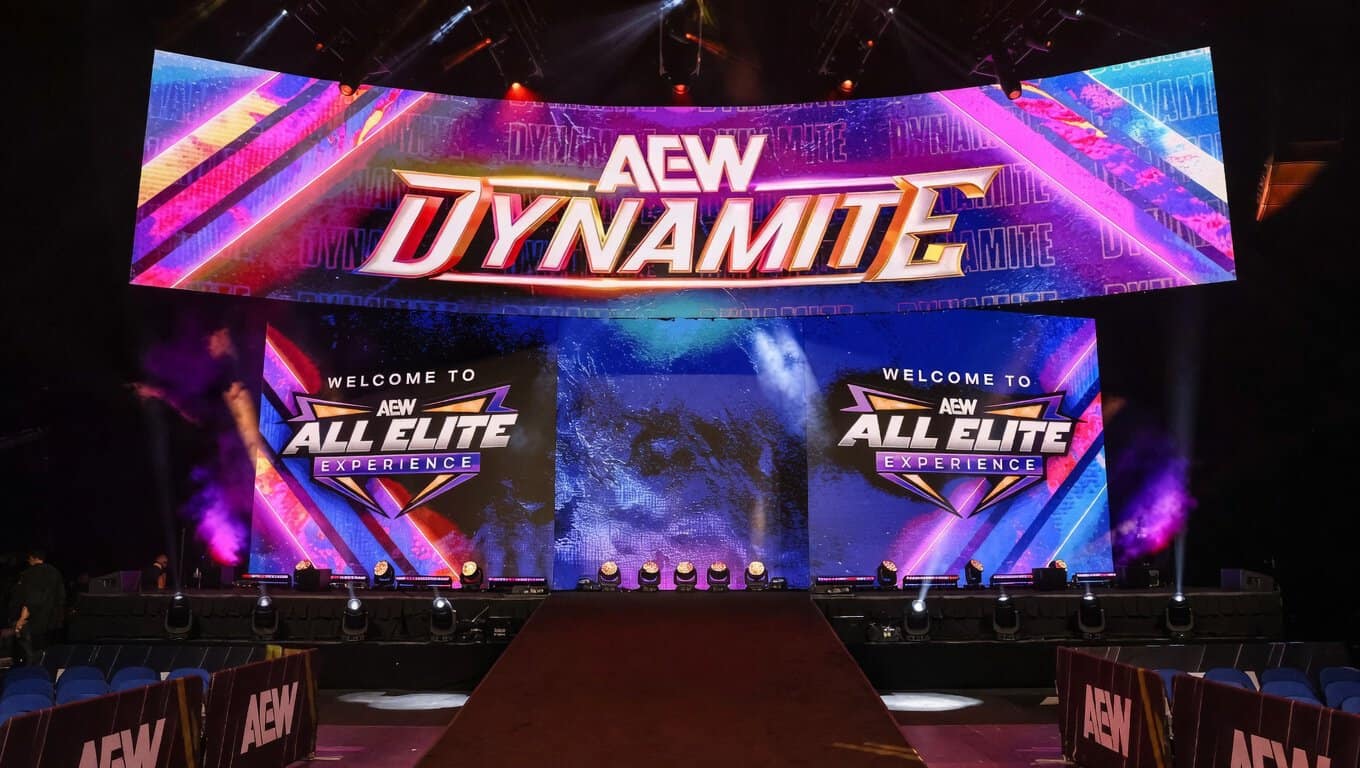
This ruling comes at a friction-heavy moment for the promotion. As AEW rolls into the Beach Break edition of Dynamite, the creative focus remains on high-stakes title matches and the Casino Gauntlet, but the backend operations are clearly struggling under the weight of increased litigation.
The industry standard of sealing litigation evidence has been challenged, and AEW is the first major promotion forced to adapt its legal tactics in real-time. Expect rival companies, particularly within the independent circuit and emerging international promotions, to watch the next filings closely.
Creative volatility continues
While the business side grapples with transparency, the television product faces its own stability issues. The latest AEW feud tracker highlights that the Don Callis Family remains a primary antagonist focus, following Andrade cutting ties with the group this week. The inconsistency in faction stability is becoming a hallmark of this roster cycle.
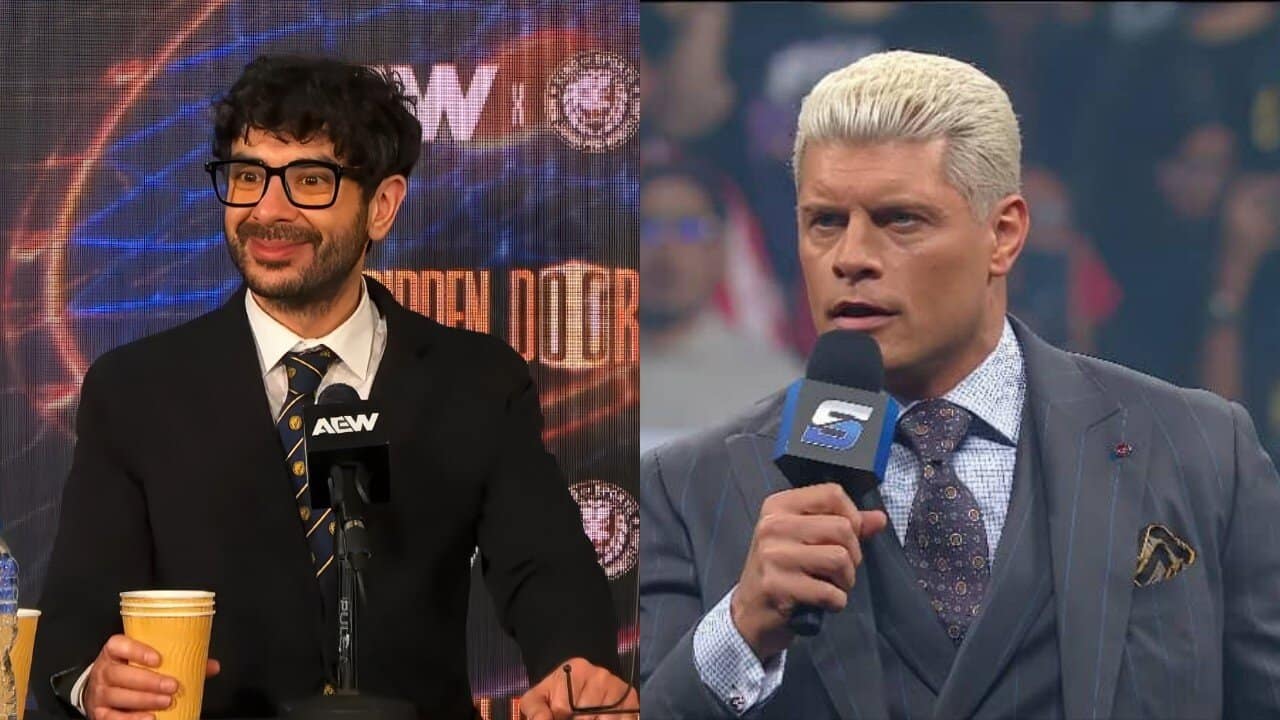
Tensions between top stars also remain a recurring narrative device. MJF recently noted that Darby Allin possesses significant heart but lacks a cerebral approach to the ring, echoing frustrations that have plagued Allin’s recent main-event pushes. This is a common trope in contemporary booking—using personal insults to justify rematches that feel like variations of previous encounters.
Historical precedent and impact
History shows that when contract details become public, talent morale often dips significantly due to jealousy over pay variance. This situation mirrors the early days of transition phases in previous decades where talent pay scales were exposed, leading to locker room instability and loss of leverage for management.
Critical observations regarding the current product reveal a lack of long-term cohesive storytelling. Beach Break has become the catch-all for various title feuds that haven't found a clean resolution through standard weekly builds. Relying on marquee event specials to carry underdeveloped programs highlights a lack of depth in the current booking philosophy.
The promotion needs to bridge the gap between their legal entanglements and the onscreen product. A £0 immediate fix exists for the current creative fatigue, but if the legal filings lead to further roster turnover, the quality of these major events will likely continue to fluctuate.
Maintaining a rotation heavy on the same recurring matchups, such as the styles pioneered by the 2021-era roster, shows an unwillingness to evolve the presentational format. The promotion is stuck in a loop of nostalgia for its own brief history. With Beach Break carrying the weight of 2 title matches and a high-risk Gauntlet, the margin for error is razor-thin.