The sponsorship collision
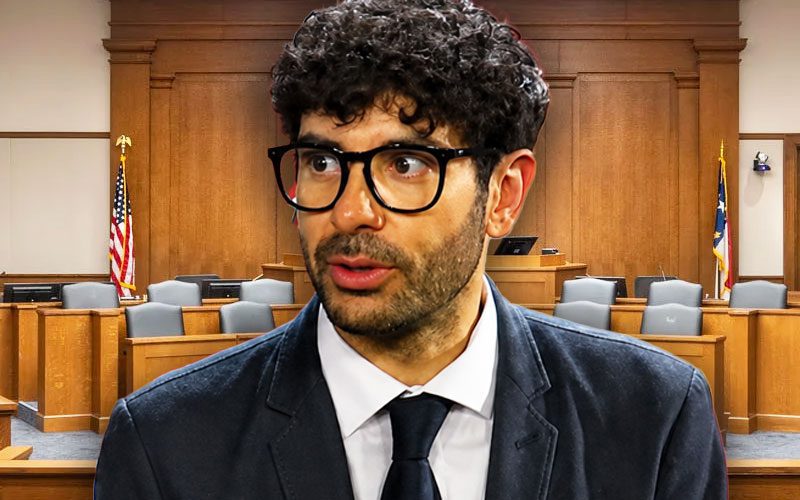
AEW has officially moved into the courtroom against the production entities behind the Mildred Burke biographical film, Queen of the Ring. Legal filings in the dispute allege that the production company still owes the promotion exactly $105,000 in unpaid sponsorship fees. This financial rift comes exactly as the film hits home media formats, moving the conflict from private contract negotiations into the public record.
The promotion had clearly bet on this project as a crossover vehicle. By integrating major roster talent—including former champions Toni Storm and Britt Baker, alongside Kamille—Tony Khan attempted to bridge the gap between niche wrestling history and broader cinema audiences. As Wrestling Inc documented, the promotional push included significant screen time and behind-the-scenes support, which the promotion clearly views as a liability now that the checks haven't cleared.
Creative trajectory and talent fallout
This lawsuit isn't just about the money. It marks a sharp cooling period between independent film production studios and the promotion’s executive team. When promotions invest in off-screen intellectual property, the expectation is a mutual lift; if the production entity fails to deliver on basic financial commitments, it creates a massive disincentive for future collaborations. The optics of the legal filing, reported heavily across trade outlets like PWInsider, ensure that future studios will face intense scrutiny before gaining access to top-tier talent like Baker or Storm.
Critics of the arrangement might point to the lack of clear ROI for the talent involved. While the film aimed to honor the legacy of Mildred Burke, the transition of wrestlers to actors often results in disjointed performance schedules that pull stars away from high-stakes programming. If a production firm defaults on a relatively small sum like $105,000, it raises questions regarding their overall administrative competence. Engaging with entities that operate with such thin margins for error is a strategic mistake for a company trying to scale its brand.
Probability and outlook
The probability of this reaching a settlement is high, as neither party wants the discovery process of a full trial. However, the damage to the relationship is already done. AEW’s legal team is aggressive, and this move illustrates a trend of enforcing strict contract compliance across all non-wrestling ventures. We should not expect similar crossover projects in the immediate future while legal counsel reviews current outstanding agreements.
If the promotion recovers the funds, the primary impact will be a temporary closing of the door on film sponsorships. While F4WOnline reports the legal action is progressing, the real story is the loss of momentum for wrestlers looking to build individual portfolios. For talent like Kamille or Storm, this creates an unfortunate bottleneck where their time spent acting is now inextricably linked to a messy corporate dispute rather than the artistic merit of the film itself.
Ultimately, this is a lesson in vetting for sports promotions. The allure of prestige projects can often mask poor capitalization. Going forward, the internal process at Daily’s Place will likely pivot toward requiring full or majority payment up-front. Expect fewer, but more heavily vetted, external production partnerships once this settlement is finalized in the coming months. The company has essentially burned a bridge to protect its ledger, an understandable move but one that underscores the risks inherent in the talent-as-actor promotional model.