The shadow of the Demolition and Crush legacy
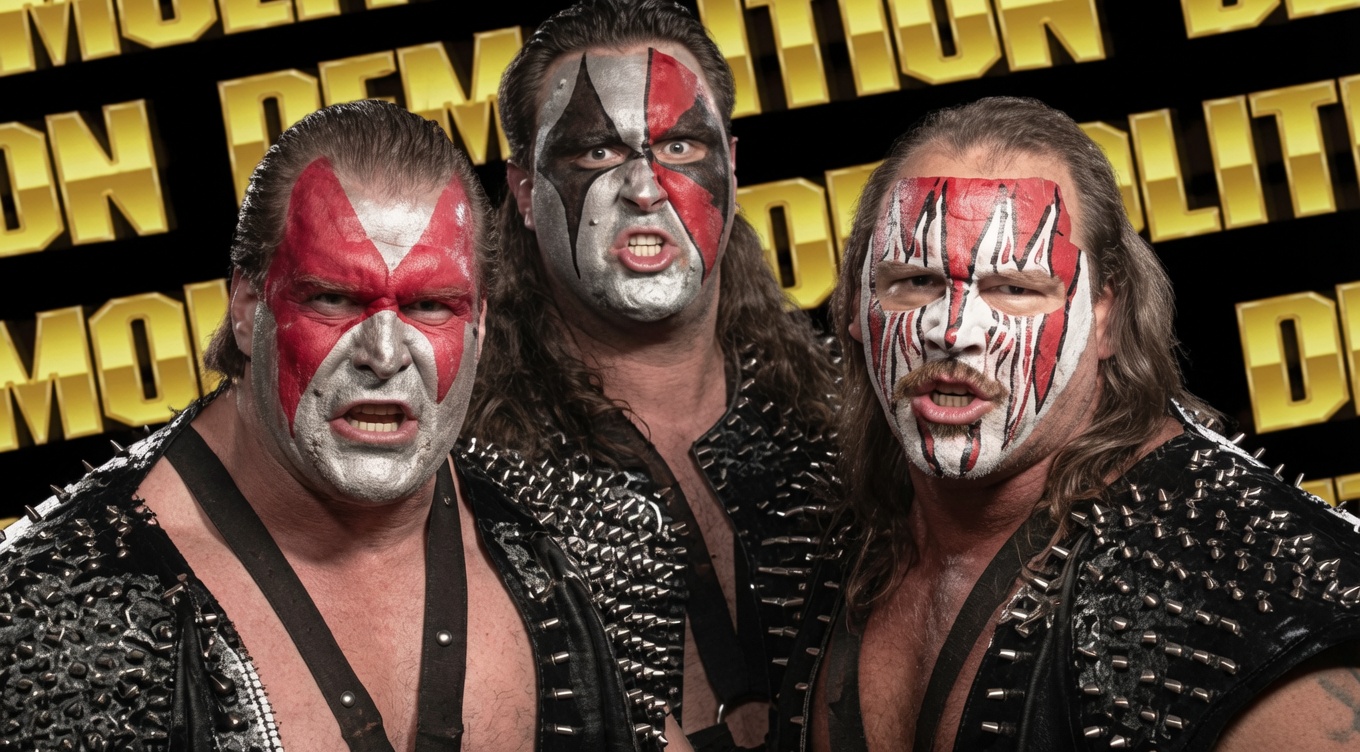
Barry Darsow’s recent push to see the late Brian Adams inducted into the WWE Hall of Fame forces a reckoning with how we weight mid-card technical legacy against main-event star power. Darsow knows better than most that the ring chemistry built in the late eighties and nineties represents the backbone of the industry. Asking for Adams to be recognized is not just nostalgia; it is an analytical necessity.
Adams managed a distinct range of gimmicks that shifted from the high-octane islander persona of Crush to the more grounded, stiff-striking work he displayed in Kronik. Tracking his movement in the 1990 Royal Rumble or his later work in the WCW tag division shows a performer who understood space and timing. He consistently hit his marks while navigating the transition from a traditional powerhouse to an impact-heavy brawler.
Evaluating the statistical weight of the mid-card
When you dissect the match logs, the value of Adams becomes clear. His workrate during the 1993-1994 window, particularly his physical clashes against Randy Savage, provided the necessary friction for top-tier babyfaces to shine. A successful act requires a credible threat, and Adams hit that target with consistency. Data from his contemporaries confirms that he was a safe worker who rarely bloated match pacing.
However, the critique remains that his work often lacked the narrative finish needed for legendary status. As reported by WrestlingNews.co, Darsow’s advocacy highlights a missing piece in the current selection process. The Hall of Fame often gravitates toward champions rather than the stable contributors who maintained the product’s velocity over a decade.
The case for the technician
If we weigh induction based on total industry contributions, Adams possesses a higher floor than many currently enshrined. His ability to work through different company styles—moving from the crisp, rigid presentation of 1990s WWE to the grittier, brawl-heavy aesthetic of late-stage WCW—demonstrates technical adaptability that often goes overlooked. Most performers struggle to pivot gimmicks, yet he maintained a consistent level of execution regardless of the creative direction.
The current selection cycle remains skewed toward heavy nostalgia bait, often ignoring the individuals who filled the middle of the cards. If the goal of a formal induction is to document the actual labor of the business, Adams belongs in the conversation. Failing to acknowledge him highlights an institutional blind spot regarding the work done outside of title pictures.
My prediction is that WWE will eventually cave to this pressure, largely because the pool of deserving mid-card workhorses is drying up as the archives are exhausted. We are likely to see an induction announcement within the next 24 months. This is not purely sentimental; it is a calculated move to satisfy long-term fans who remember the heavy lifting required to keep the mid-card solvent.
Adams won’t headline a class, but he serves as a reminder that the industry was built on the backs of people who never wore gold but always moved the needle. It is time the metrics reflect that reality.