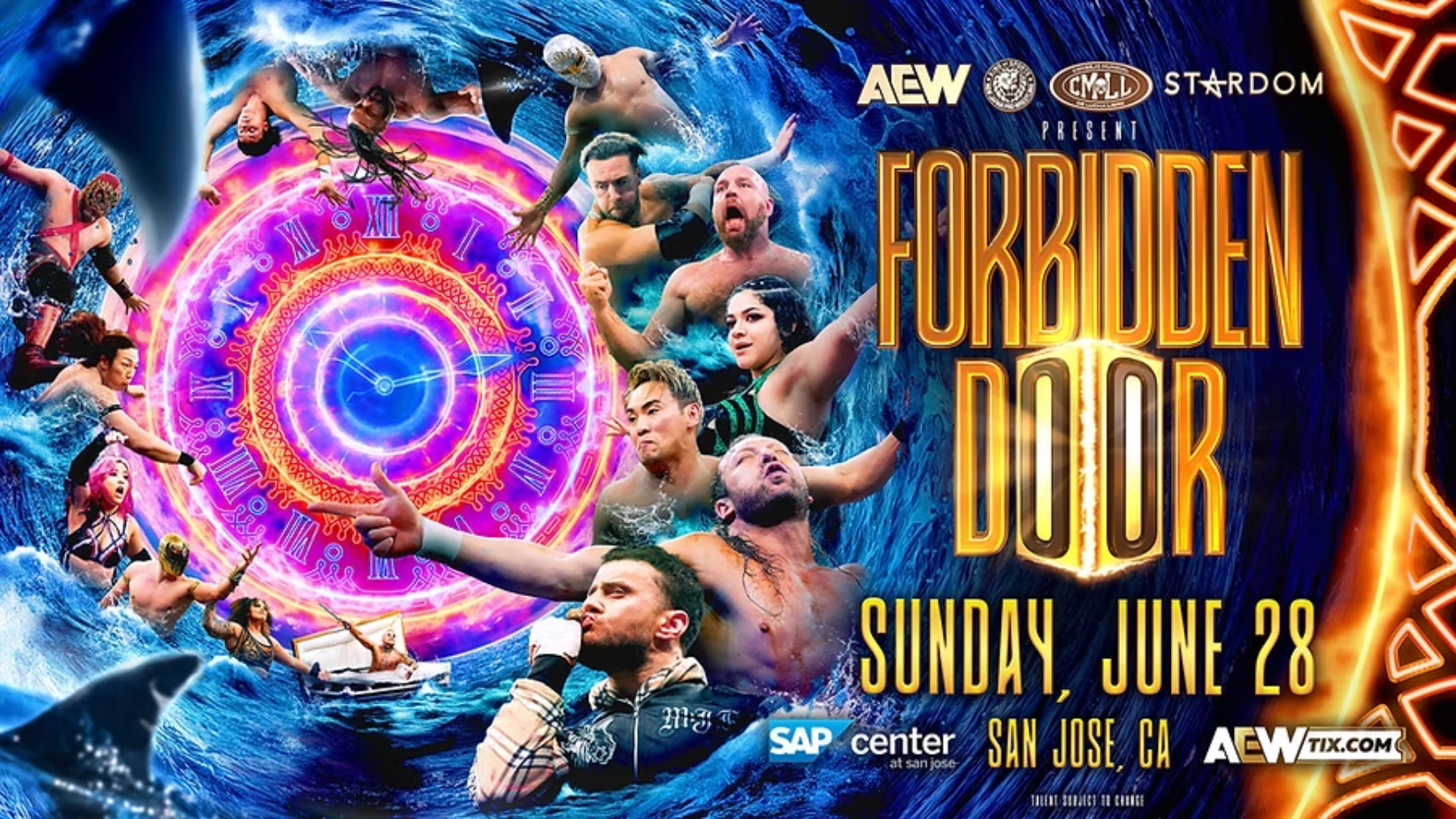
The Night the SAP Center Went Full Circle
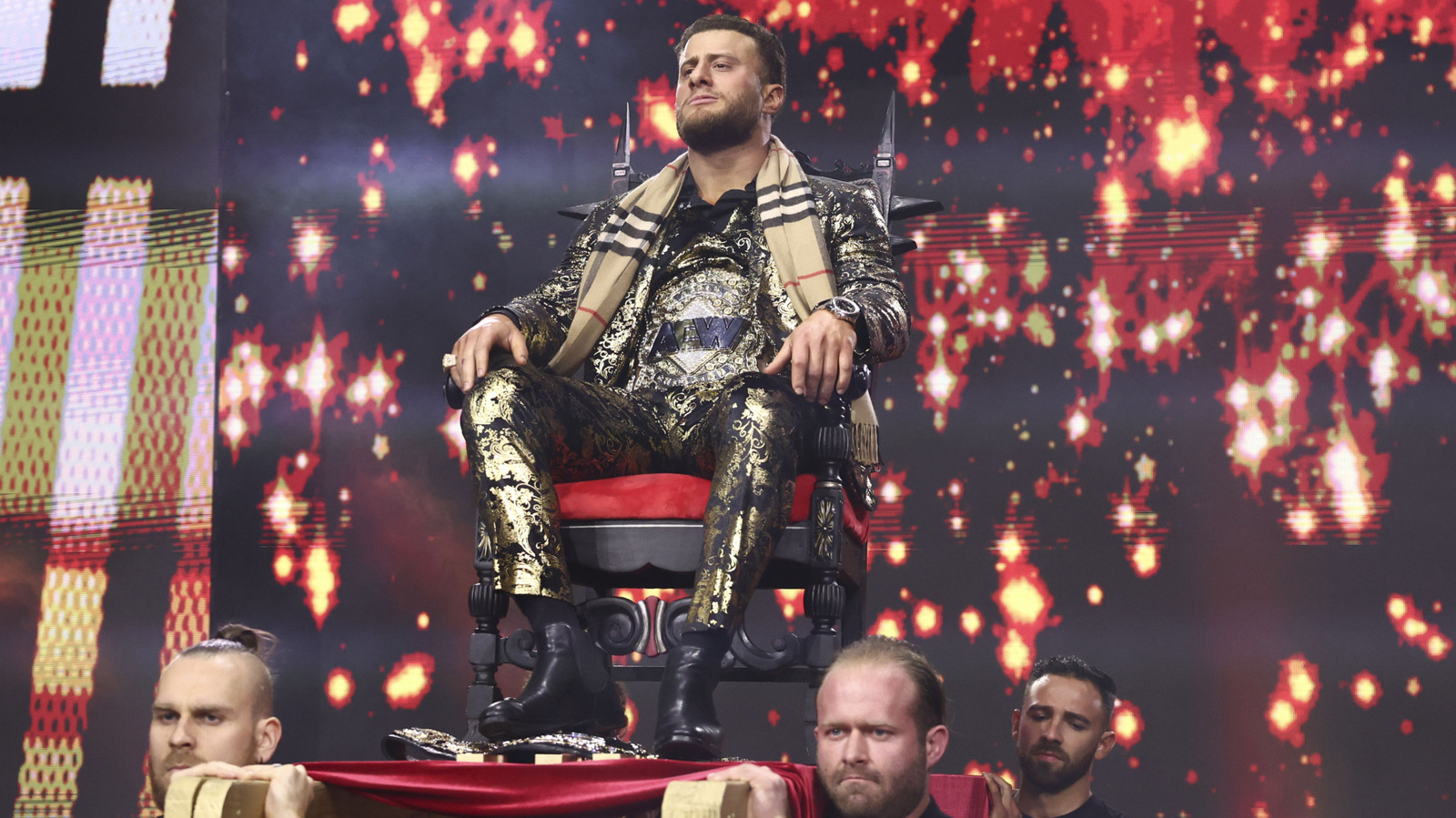
Pull up a chair, crack open a cold one, and let's talk about the absolute madness that went down in San Jose. The SAP Center was packed to the gills last night, but the real talking point was hanging from the ceiling before the first bell even rang. Tony Khan decided that a standard cage wasn't enough for Team Briscoe and Team MJF, so he built a giant metallic circle instead.
Honestly, it looked like a UFO parked over the ring. Whether it actually worked is another story, but you can't deny the visual spectacle.
As Mike Johnson's live report noted, the structure was massive. But in a sport built on corner turnbuckles, removing the corners is a bold move that changes the entire geometry of a cage match.
Wrestling promoters love to reinvent the wheel. Usually, when they do, we get a flat tire like the Triple Cage or WCW's Doomsday Cage. This circular cage feels like Tony Khan watched Mad Max Beyond Thunderdome after three energy drinks and said, 'Yeah, let's do that.'
If you want to run a cage match, the corners are your bread and butter. That is where the blood flows and where you smash a heel's face until he looks like a bowl of marinara sauce.
Removing the corners changes the entire flow of the action. It is a bold experiment, but let's be real: sometimes the classic blue steel bars are all you need.
Without those ninety-degree angles, where do you trap a guy? How do you climb for a big dive when the cage wall doesn't have a flat surface to launch from?
It felt like a gimmick designed more for the toys than the actual ring work. We've seen circular cages in other promotions, and they usually end up limiting the wrestlers rather than helping them.
The Pre-Show Shockers and the Daniel Garcia Problem
Let's talk about the Zero Hour pre-show, which was a mixed bag of great action and questionable decisions. The biggest head-scratcher of the night was Daniel Garcia dropping a singles match to Drilla Moloney. Garcia is supposed to be the next big babyface in this promotion, a guy the fans desperately want to get behind.
Instead, he is out there losing to a Bullet Club War Dogs member on the free YouTube pre-show. Sure, Moloney is a beast, but this loss makes no sense.
Garcia had Marina Shafir in his corner, which should have given him the tactical edge. Instead, he took the pinfall after a solid but ultimately frustrating match.
It is another example of AEW's stop-and-start booking holding back their young talent.
Think about where Garcia was a year ago. The fans were doing his dance in every arena, and he felt like he was one big win away from the main event.
Now, he's taking pins on the pre-show from guys who usually wrestle in Tokyo. It is baffling.
You cannot build new stars if you treat them like gateway players in a video game.
To make matters worse, the commentary booth was a mess during this match. Walker Stewart joined the regular broadcast crew, and the chemistry was completely off.
The handoffs were awkward, and the flow was interrupted. It took them a while to finally find their rhythm, which is unacceptable for a pay-per-view broadcast.
Wrestling commentary is an art form. You need a play-by-play guy who can build drama and a color commentator who can explain the psychology.
When you throw a new voice into the mix without any preparation, it sounds like a morning radio show where everyone is trying to talk over each other. It distracted from a decent match, which is a disservice to both performers.
Maika's Big Debut and TAKA's Legacy
Thankfully, the pre-show wasn't all bad. Maika made her debut against Skye Blue, and she looked like a star from the second she walked out.
The crowd was quiet at first because many fans didn't know her work. But she won them over with pure power and excellent ring psychology.
Did you know she was trained by the legendary TAKA Michinoku? She paid tribute to her mentor by hitting a brutal Michinoku Driver on Skye Blue for the win. It was a short, sharp match that did exactly what it needed to do.
Skye Blue did her job here, bumping like crazy to make Maika look like an absolute monster. But Maika was the real story.
Her transitions were clean, and her suplexes looked like they could crack concrete. STARDOM has a goldmine of talent, and Maika is proof that the crossover is worth the hassle.
The other bright spot of the pre-show was Divine Dominion retaining their tag team titles. Megan Bayne and Lena Kross defended the gold against Thunder Rosa and Olympia. This match actually got some time, which was a welcome change from the usual five-minute squashes we get with the women's tag champions.
Thunder Rosa looked better than she has in months, showing a fire that has been missing lately. Olympia was also fantastic, keeping the pace fast and the transitions smooth. Divine Dominion walked out with the titles, but everyone came out of this match looking stronger.
Megan Bayne in particular looks like a future world champion. She has the size, the power, and the presence that you just can't teach. If AEW bookings keep her on this track, she will be headlining pay-per-views by the end of the year.
The Opener: Too Much, Too Fast?
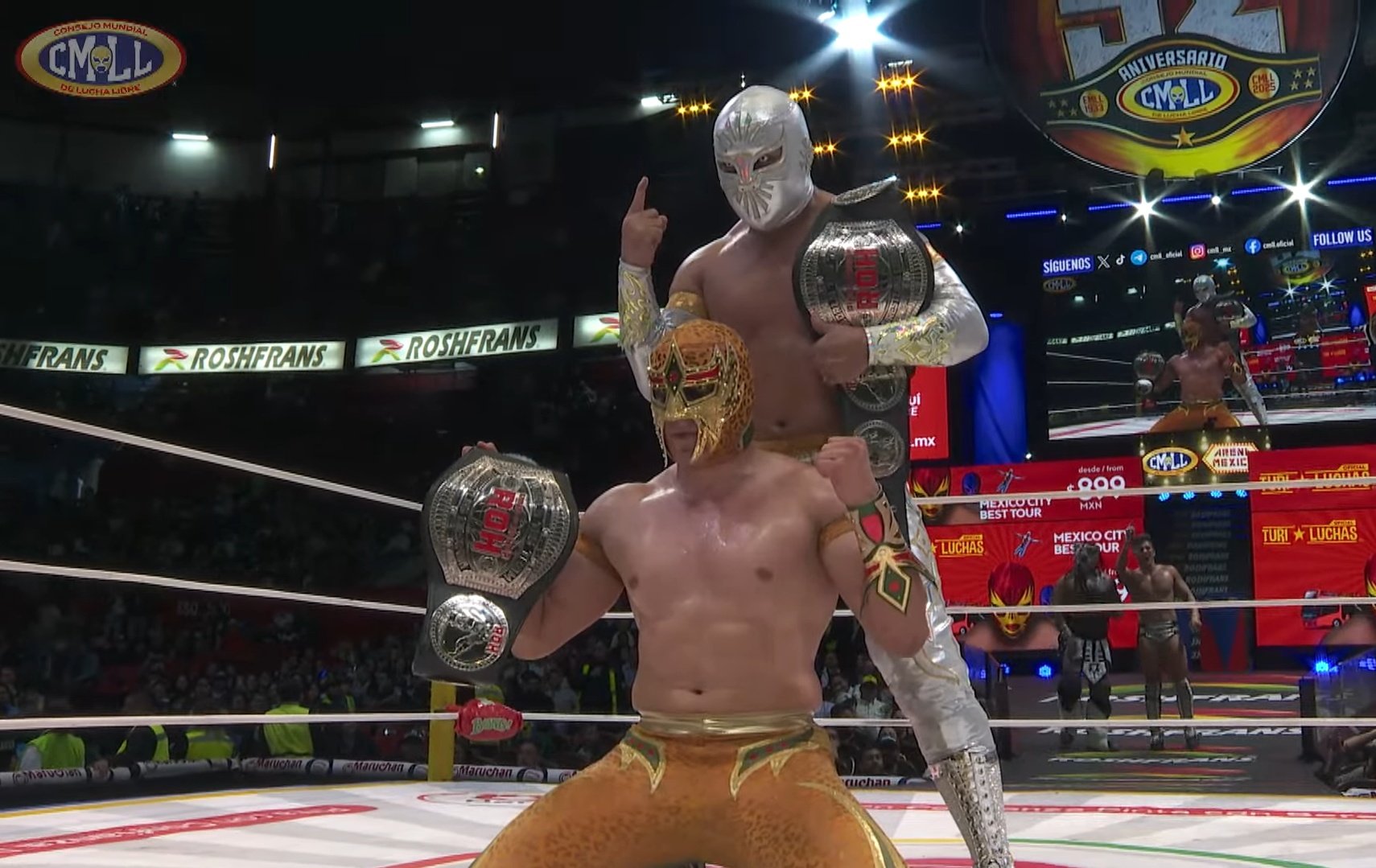
When the main card started, the Young Bucks faced Shingo Takagi and Titan, and the ROH Tag Champions Sky Team. This was a three-way tag team match that abandoned all traditional tag rules immediately. It was basically a Tornado Tag match without the official announcement, and it was absolute chaos from the start.
Mistico was easily the most popular guy in the building. Every time he went for a dive, the SAP Center exploded. But the match itself was a nonstop barrage of high-impact moves and, of course, a ridiculous number of superkicks. I counted at least 18 superkicks in the first ten minutes alone.
The Young Bucks got the win, which was the expected result given the non-title nature of the match. But it raises a serious question about card structure. When you do every big spot in your arsenal in the opening match, what is left for the rest of the card? It desensitizes the fans and makes the mid-card matches feel slow by comparison.
It is the classic AEW dilemma. The fans love the high-energy action, but sometimes less is more. By the time we got to the late-night matches, the crowd was already exhausted from cheering for twenty different dives in the opener. You need peaks and valleys in a show, not a flat line of constant explosions.
Forbidden Door has become a staple of the wrestling calendar, but the novelty has started to fade. It no longer feels like a boundary-pushing event where anything can happen. Instead, it feels like a regular Sunday night at the office with a few guest stars from Japan.
If AEW wants to keep this event feeling special, they need to focus more on the storytelling and less on the sheer volume of spots. That is the hard truth about crossover shows. The initial thrill of seeing different logos on the same poster only lasts so long.
Eventually, you have to deliver compelling stories that make the matches feel like they actually matter. Last night had some great wrestling, but it left us wondering if the door is still forbidden, or if it is just a revolving door.
Read Next
- Swerve and Ospreay are about to rewrite their own history in San Jose
- Forbidden Door 2026 is exposing AEW's biggest structural flaws
- Will Ospreay and Swerve Strickland are about to destroy each other again
- Swerve and Ospreay headline a high-stakes Forbidden Door card in San Jose
- 🚪 AEW Forbidden Door 2026 — AEW × NJPW Coverage Hub