The Cost of Familiarity
We are just a week away from the 2026 Forbidden Door, and the promotional cycle feels heavier than in years past. When this collaboration first arrived, it felt like wrestling’s version of a fever dream, a rare collision of disparate styles that felt genuinely grand. Now, with the event set for June 28, the industry debate has shifted toward whether the novelty of these cross-promotional gates has reached its natural conclusion.
As recent analysis pointed out, the recurring nature of the supercard has turned a spectacle into a scheduling fixture. The initial shock value of seeing stars move between the MyAEW platform and NJPW World has given way to the cold, hard reality of injury lists and creative fatigue.
The Stakes of the Crossover
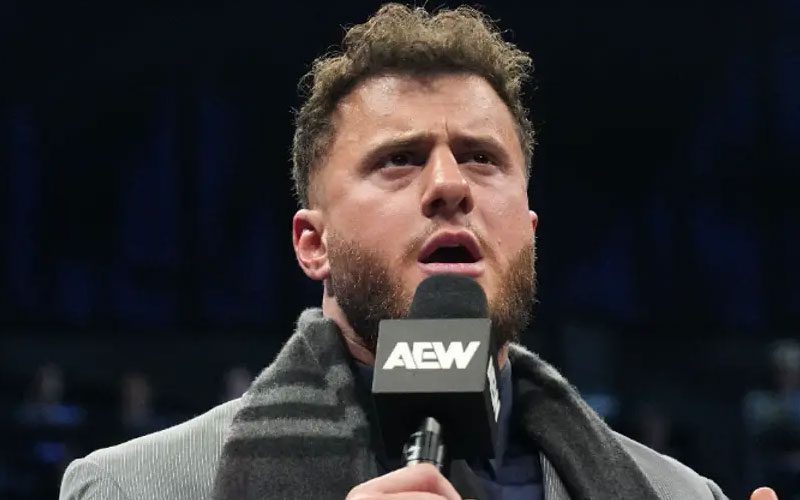
The storylines for this iteration are defined more by physical fragility than by escalating animosity. We are staring down a card where key players, including AEW World Champion MJF, are nursing significant ailments. When your top titleholder is public about his knee damage, the stakes of the match shift from a test of skill to a test of endurance.
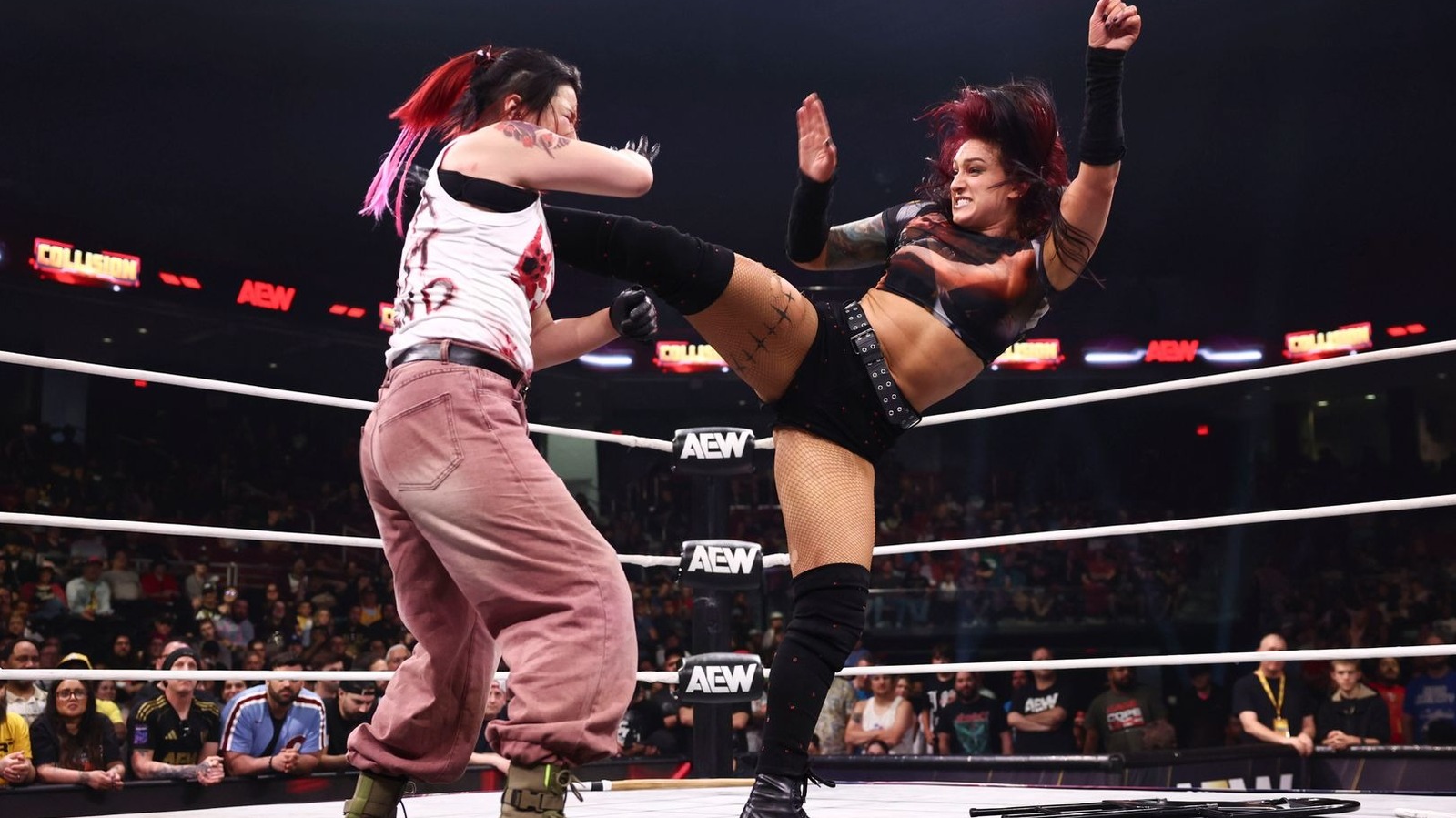
Meanwhile, the international movement highlights how fractured the roster distribution currently is. Thekla’s recent, volatile trek across the ocean to confront STARDOM leadership underscores the desperation to build narrative bridges between organizations. Her surprise attack on Taro Okada is a sharp contrast to the more clinical, technical build we’ve seen elsewhere, serving as perhaps the only genuinely unpredictable element in a sea of predictable matchups.
The Shota Umino Challenge
The most intriguing development in this cycle is undoubtedly the collision between PAC and Shota Umino. As reported by WrestleTalk, Umino has accepted the challenge for the IWGP Global Heavyweight Championship, a bout that feels like it has some actual grease under its fingernails. Umino is a pillar of the New Japan youth movement, while PAC remains one of the most snarling, effective gatekeepers in North American wrestling.
This match is not just another spot-heavy exhibition. It is a referendum on New Japan’s ability to pivot its main event scene outward, and it remains a questionable choice to lean so heavily on a challenger from a promotion that frequently relegates him to the mid-card. If the match goes beyond the 20-minute mark, fatigue will be the primary enemy of the work rate.
A Predictable Pattern
We are seeing the consequences of a year-round touring schedule meeting international travel requirements. NJPW is already looking beyond the door toward the G1 Climax 36, having confirmed 16 of their 20 participants, which makes the stakes of their championship matches in North America feel slightly diluted. Why should the audience invest in a title change on June 28 when the winner must immediately pivot toward the brutal round-robin grind of the G1?
Furthermore, the creative direction for this event feels disconnected from the week-to-week momentum of the television products. The booking office seems more interested in checking off cross-promotional boxes than in resolving the long-term character arcs that have been stalled all year. It is a classic trap: prioritizing marquee names over coherent, sustained storytelling.
The Final Verdict
When the dust settles on June 28, the betting odds will likely prove to be the most accurate barometer for the night. Current market sentiments suggest a heavy favoritism toward established champions retaining, which leaves the event in a precarious position. Without a massive, industry-shifting surprise—such as a clean, undisputed finish that forces a change in the hierarchy of the IWGP or AEW ranks—this event risks becoming a high-production transition show rather than a destination.
I expect the PAC versus Umino match to be the technical highlight, provided both athletes can manage the transition to a Western ring. However, do not expect a seismic shift in company direction. Expect a night of high-level athleticism marred by a thin narrative thread, finishing with a 60-40 split in favor of the status quo remaining firmly in place for both organizations.
Read Next
- Why Shota Umino is perfectly positioned to retain at Forbidden Door
- Forbidden Door betting shifts suggest massive surprises coming for AEW
- Thekla is main character energy at its most dangerous
- MJF is walking into Forbidden Door as a compromised champion
- 🚪 AEW Forbidden Door 2026 — AEW × NJPW Coverage Hub