The charm is wearing off at the gate
Let’s be real for a second. The concept of the Forbidden Door was electric in 2021. It was the wrestling equivalent of a fever dream, mashing up A-list talent from AEW and NJPW that we only ever saw in blurry YouTube compilations of Japanese independent shows. But here we are on June 21, 2026, and the magic has hit a wall.
As recent industry commentary pointed out, the gimmick is officially suffering from diminishing returns. When you run the same crossover play every single year, it stops being a revolution and starts being a house show with a higher production budget. The surprise factor has plummeted faster than a bad gimmick off the top rope.
Injury bugs and the reality of the booking
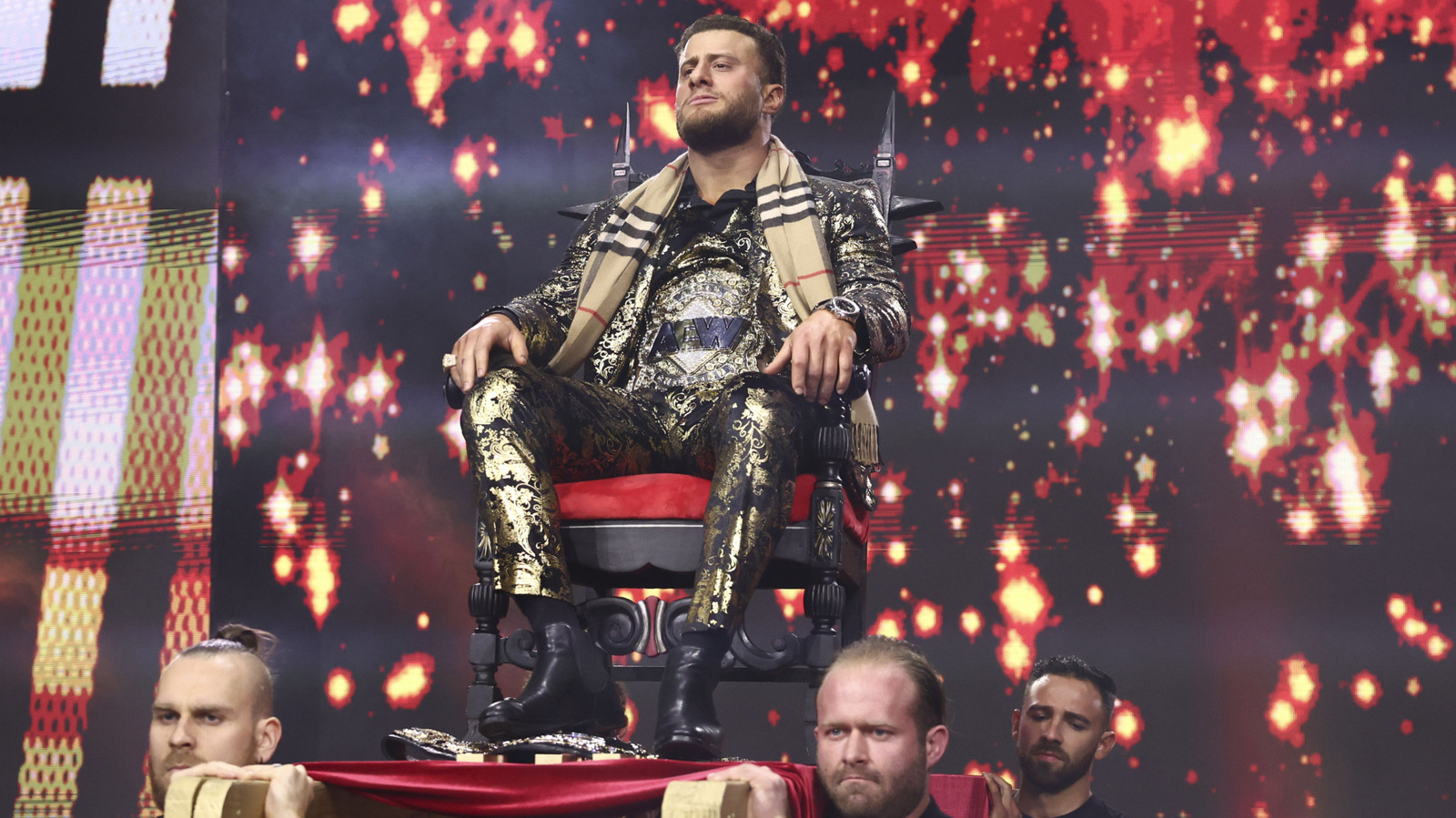
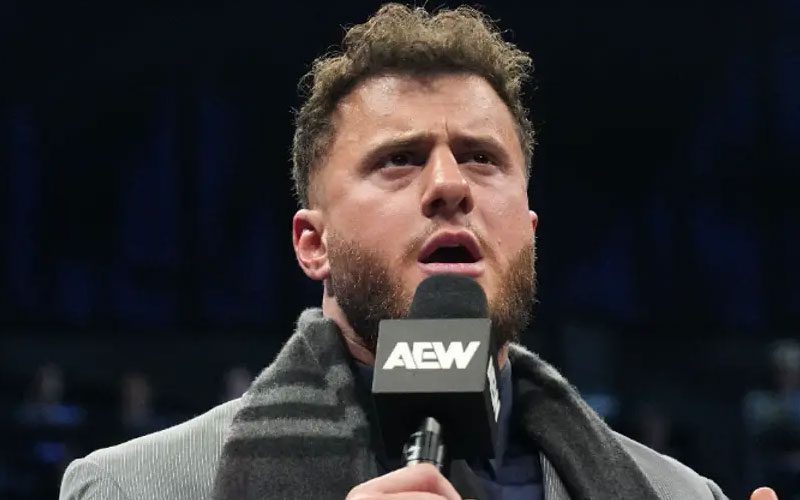
The latest headlines out of the camp are a microcosm of the problem. MJF is heading into this major card dealing with a knee issue, sounding off about being banged up and visibly swollen. When your marquee star is nursing injuries, the whole narrative shifts from "can they put on a classic" to "please don't tear an ACL in a match that doesn't actually advance the internal AEW storyline."
It’s hard to build genuine tension when the participants are held together by athletic tape and prayers. We want high-stakes drama, but instead, we are looking at a card where the betting markets, via the latest odds releases, feel more like a math homework assignment than an unpredictable sport. Even the angle currently unfolding in Japan, as noted by PWInsider reporting, feels like a frantic attempt to maintain interest in a collaboration that lost its novelty status two years ago.
The history lesson nobody asked for
If you need proof that cycles repeat, look at the recent retrospectives diving into the 90s. We keep romanticizing the era of Brian Pillman jumping to WWF or Kevin Nash making his surreal Nitro debut. Those were moments that shifted the seismic plates of the industry. They weren't just "cross-promotional events"; they were massive, chaotic, career-defining pivots.
Comparing current booking to 2011-era attempts at wrestling depth, like the discussions surrounding Kurt Angle or the old TNA-style experimentation, reveals an ugly truth: corporate partnerships are cold. Back in the day, the chaos was raw. Now, it feels like a boardroom meeting where two companies agree to trade wins, hit signature spots, and go home without damaging anyone's equity. It’s sterile.
The booking mistakes are piling up
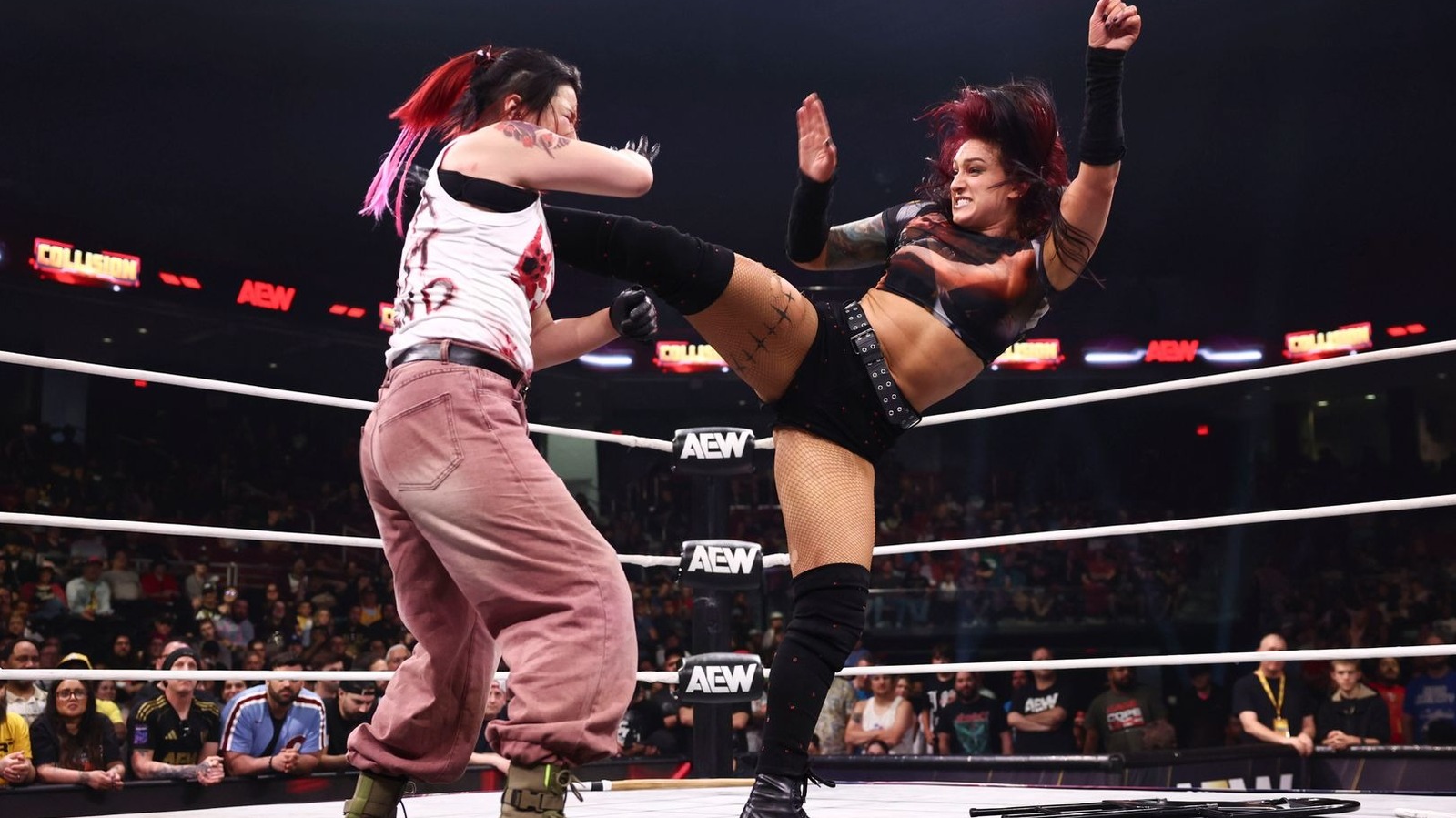
The most glaring mistake in this year's build is the lack of coherent stakes. Mercedes advancing in the Owen Hart Cup is fine, but it’s filler. Real wrestling is built on personal vendettas, not just the existence of a promotion across the Pacific. We see matches because they are "dream bouts"—but a dream without a reason to fight is just a glorified practice session.
Booking for the sake of a "cool spot" on a highlight reel is killing the long-term psychology of these events. If the promoters want to save this event, they need to stop relying on the title on the box and start focusing on why people are actually angry at each other. Otherwise, we’re just watching people run through choreography for the 3rd year in a row without a soul in sight.
- The event lacks the chaotic unpredictability of the 90s era.
- Injury reports are dampening the star power for the main events.
- The "Forbidden Door" label no longer carries the weight it did at inception.
- Too much reliance on NJPW association rather than organic storytelling.
Ultimately, if you’re pulling for this event to shake up the status quo, you’re looking in the wrong place. Unless the actual payoff on Sunday moves the needle on the core AEW product, this is just a bridge to nowhere. Sometimes, the best door is the one that stays closed, rather than being propped open until the hinges fall off.
Read Next
- Forbidden Door reaches a breaking point as the shine wears off
- Why Shota Umino is perfectly positioned to retain at Forbidden Door
- Forbidden Door betting shifts suggest massive surprises coming for AEW
- MJF is walking into Forbidden Door as a compromised champion
- 🚪 AEW Forbidden Door 2026 — AEW × NJPW Coverage Hub