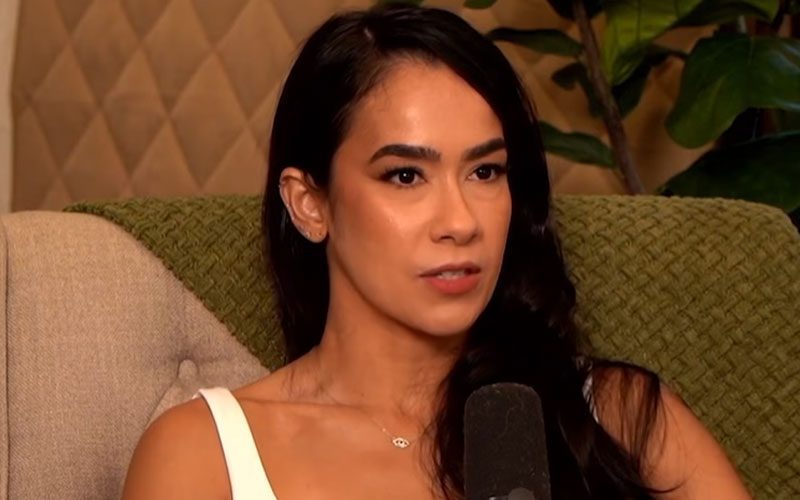
The internet is actually being decent for once
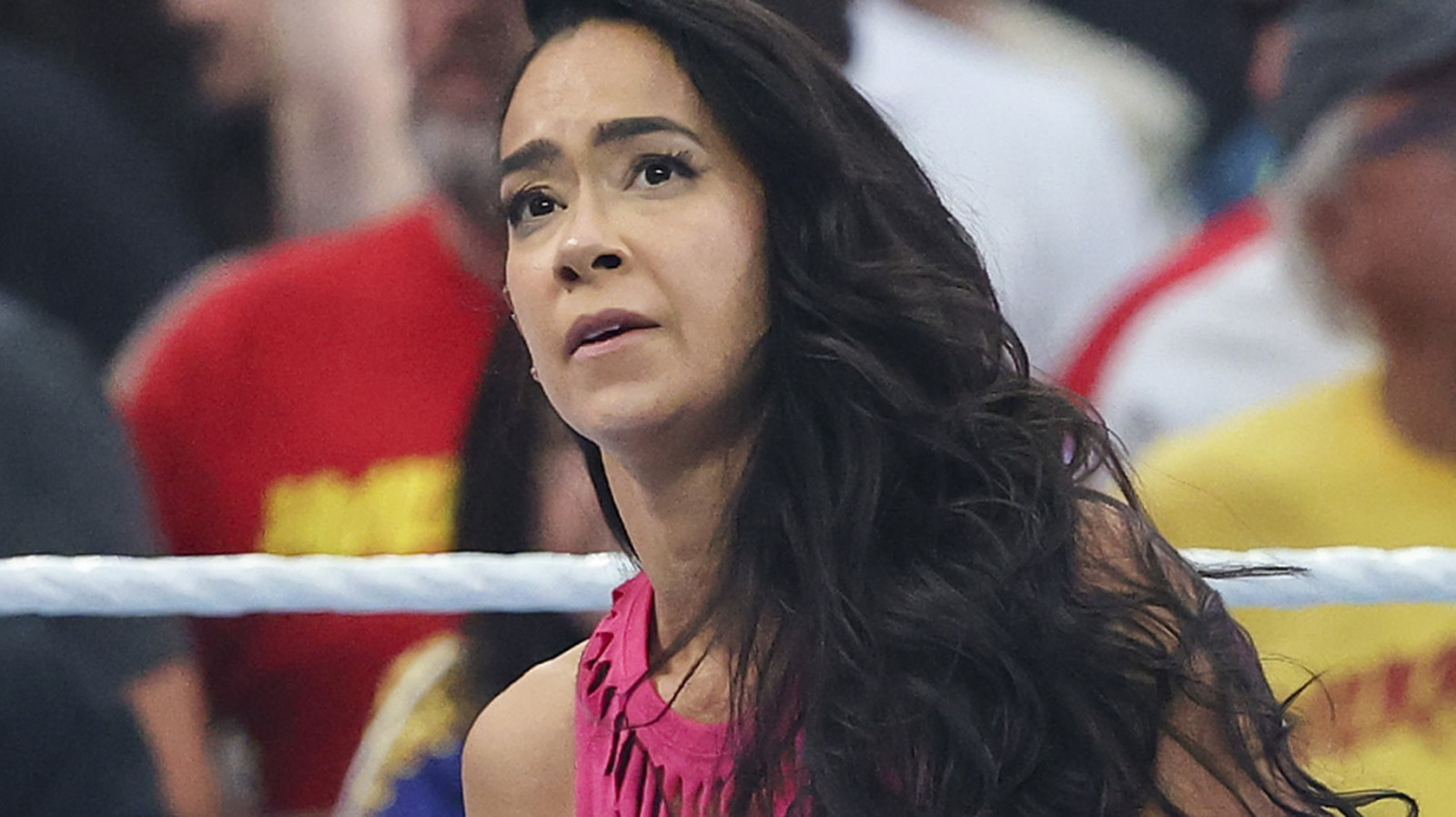
Stop the presses. The wrestling discourse on social media is usually a toxic landfill fire, but the reaction to AJ Mendez appearing on State Of Mind with Maurice Benard has been surprisingly grounded. She walked us through her history with bipolar disorder, explicitly crediting her mother’s journey with helping her identify her own symptoms. It is a level of transparency that feels like we are watching someone shed a character, even if that character changed the industry forever.
You go to the forums or the comment sections and you expect the usual bad-faith trolling. Instead, the consensus feels like a rare moment of unity. Fans who spent years dissecting her run in the division are shifting gears to talk about the person behind the pipe bombs. When an icon discusses mental health, it forces the average keyboard warrior to pump the brakes on the snark.
The skeptics are quiet because real life hit back
There is always a contingent of wrestling fans who demand that their favorite stars stay in the box. They want the high-flying moves and the sharp mic work, and they honestly could not care less about the human being underneath the trunks. You can see them lurking in threads, trying to pivot the conversation back to booking or potential returns to the ring, but this time, the engagement is failing them.
As reported by Ringside News, Mendez was unflinching about the cyclical nature of her experience. One user on a sub-reddit noted that hearing her speak about her mother’s struggle provided the missing context for why she stepped away from the spotlight years ago. It’s a sobering realization for fans who thought they knew the whole story because they saw it on television every Monday night.
Why this matters for the wrestling bubble
We are living in an era where the lines between the performer and the person are constantly getting muddled. Fans feel like they own a piece of these stars because they subscribe to their social media feeds and buy their merch. But when a personality like Mendez pulls back the curtain on something as heavy as bipolar disorder, it reminds us that we are watching real people grapple with real chemistry, not just scripted beats.
The fans who get it are the ones who appreciate the sheer bravery of it. Doing an interview like this isn't just a PR move for a memoir or a project; it is a professional risk in an industry that loves to equate vulnerability with weakness. You can see the shift in the comments section as people share their own struggles, turning a post about a wrestler into a genuine community mental health check-in.
The verdict on the community response
I have seen my fair share of "fan opinions" go south in minutes. This one stays winning. The strongest argument emerging from the noise is that we stop viewing legacy performers as static objects. The fans who realize that a human being exists outside of a feud or a title reign are the ones providing the high-quality discourse here.
If you look at the threads, the people trying to minimize her struggle are getting drowned out by a wave of appreciation. That is genuine growth for a fanbase that is notoriously hard to please. She isn't just an ex-diva to these people anymore; she is someone who articulated a complex medical truth that millions of Americans deal with daily. The response is proof that wrestling fans are capable of empathy when the performer stops playing the game.
Sure, you still have the weirdos asking about her training schedule or wondering how this impacts a hypothetical match scenario at 2026 events, but they are relics of a dying headspace. Most people are just listening. I’ll take that over the usual toxic screeching any day of the week. Sometimes you learn more about a performer from them sitting in a chair talking for an hour than you do watching them take a chair shot in a 20-minute main event.
Whether you find this interesting or not, you cannot deny the weight of the moment. We spent years obsessed with her impact on the division and the shifting landscape of the women's wrestling scene, but this serves as a correction. The person is worth more than the pop, and the fact that the community is leaning into that realization is the biggest upset of the year.