The Crown's Historical Weight
The King of the Ring tournament has shifted from a mid-card showcase to a career-defining platform. Modern winners carry the weight of legacy alongside the immediate push toward main event status. This list evaluates winners based on the immediate trajectory of their careers and the enduring impact of their crowning moments.
10. Jey Uso (2026)
Jey Uso recently advanced through a volatile four-way main event to secure his path in the tournament, as detailed by Wrestling Inc. Despite the intensity of his performance, he has been met with significant fan backlash. This tension surrounding his advancement highlights how high the stakes have become for contemporary competitors.
His recent victory saw the YouTube upload of his win flooded with dislikes. While the internal storytelling is strong, the external reception shows a divided fanbase questioning the booking direction. He ranks at the bottom due to the ongoing nature of his tournament run and the controversy trailing the decision.
9. Don Muraco (1985)
As the inaugural winner, Muraco set the prototype for the tournament by defeating The Iron Sheik. This victory at the 1985 inception event created the blueprint for how tournaments could elevate a heel's profile. Without this first step, the tournament’s prestige for later superstars would not exist.
However, the 1985 victory feels disjointed from the modern iteration of the event. It lacked the high-stakes television build that defines current tournaments. It sits at nine purely for historical significance, despite its primitive execution.
8. Booker T (2006)
Booker T’s victory ushered in the King Booker persona, which remains one of the best character pivots in wrestling history. His transition from a focused challenger to a delusional, accent-heavy monarch added layers of comedy and menace to his act. The title gave him a fresh lease on life during a stale period for his character.
The execution of this transformation saved his late-era run. While some critics viewed the character as a caricature, the viewership numbers and crowd engagement proved otherwise. It ranks here because it revitalized a veteran who was dangerously close to irrelevance.
7. Cody Rhodes (2024)
Cody Rhodes claiming the crown cemented his status as the undisputed face of the company after his headline-making move back to the brand. His victory was less about the tournament and more about the promotion of his reign as a top-tier champion. The optics of the crown fitted the narrative transition he was undertaking at the time.
Some analysts argue the tournament win felt like a superfluous accessory for someone already on top. Regardless, the historical footage highlighting his win alongside names like Muraco confirms his status as a pillar of this era, as reported by PWTorch. It sits at seven because it was a coronation of existing momentum rather than a trajectory-changing win.
6. Stone Cold Steve Austin (1996)
The 1996 win launched the Austin 3:16 phenomenon following his victory over Jake Roberts. This moment is arguably the most influential single result in the history of the company. It single-handedly flipped the script on the company's creative direction during the mid-nineties.
It ranks at six rather than first because, while it birthed a legend, the tournament matches themselves were secondary to the post-match promo. It was a catalyst for a movement, not just a wrestling tournament win. The sheer cultural gravity moves it past the other entries comfortably.
5. Kurt Angle (2000)
Angle won the tournament during his rookie year, proving that the crown could be used to fast-track a newcomer to the top of the card. His technical prowess in the finals validated his status as a legitimate threat. This win remains the gold standard for how to make a star in under 12 months.
4. Bret Hart (1991)
Hart winning in 1991 highlighted the shift toward in-ring quality over mere size. He defeated IRS in the finals, signaling that technical wrestlers were finally the priority. This win proved the tournament could foster credible top champions.
3. Edge (2001)
Edge’s win acted as the perfect stepping stone for his ascent into the main event. It provided him with the necessary credibility to transition from a tag team specialist to a singles headliner. The boost in profile helped him eventually claim the world title.
2. Triple H (1997)
Triple H winning in 1997 solidified his path as a top heel for the next decade. The victory was a direct endorsement from management during the formative years of the Attitude Era. His evolution from a snob to a main event killer began here.
1. Owen Hart (1994)
Owen Hart’s victory remains the most emotionally charged and technically sound run in the history of the bracket. His win over his brother Bret in the opener and his subsequent tournament conquest remain untouchable. It is the perfect blend of athletic performance and narrative payoff.
Honorable Mentions
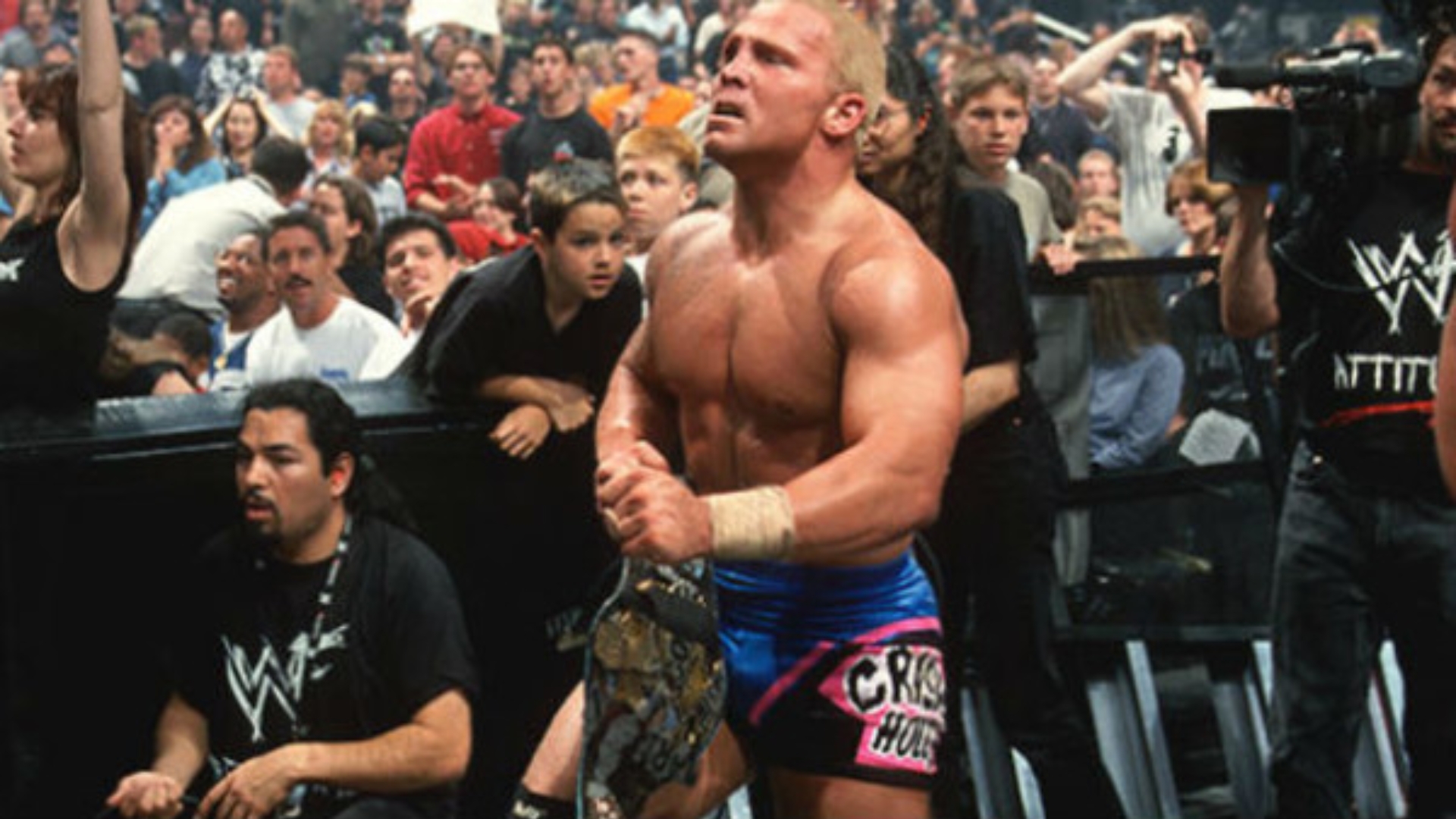
Billy Gunn’s 1999 win remains a cautionary tale of a wasted push despite the recognition. Brock Lesnar’s tournament entries are also noteworthy, though his impact was felt far more through his individual title reigns than his crown. The upcoming semi-finals mentioned in PWInsider updates will determine the next entry into this historical lineage.