The transition from coach to competitor
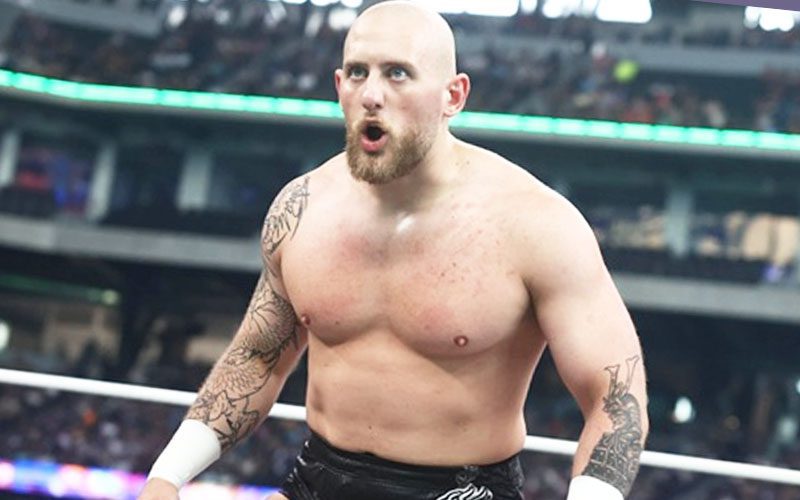
Professional wrestling is littered with performers who saw their bell-to-bell efficacy decline, eventually retreating to the Performance Center to steer the next generation. Andre Chase faced that fork in the road, yet he actively rejected a lucrative pivot into full-time coaching. As reported by Ringside News, the decision came down to his drive to continue competing within the squared circle.
This is a rare self-assessment in an industry built on ego. Most veterans chase the paycheck when their cardio begins to dip or their bump card nears its limit. Chase prioritized the physical, high-impact craft over the stability of a desk job in a sterile training facility. He understands that his character work—the biting sarcasm and the frantic intensity—hits differently when he has skin in the match.
The strategic risk of the Chase U identity
While the aesthetic of Chase U is popular, it poses a distinct tactical liability. The theatrics surrounding his entrance and the ring-side student presence distract from his technical output. When the bell rings, there is often a lag in transition speed between his pedagogical posturing and the actual execution of his primary offensive chain.
His reliance on the Chase U stomps, while crowd-pleasing, often lacks the torque required to put away top-tier opponents. In his recent outings, he has leaned heavily on that series, yet the conversion rate for pins following those sequences remains low. A more calculated wrestler would pivot toward his suplex variations, which carry a much higher likelihood of securing a finish at the 12-minute mark or later.
Why the choice defines his current run
Choosing to keep his boots on instead of accepting a coaching salary suggests Chase believes his ceiling is higher than mid-card comedy role player. He is betting on his own longevity. If he continues to rely on the standard syllabus of his current moveset without integrating more high-variance strikes, that bet might fail. The promotion has no shortage of teachers, but active workers who can command a crowd while maintaining a technical baseline are harder to find.
The risk here is clear. If he is not consistently winning significant matches, that decision to forgo the higher-paying coaching role looks financially and professionally negligent. He is playing for a spot that is inherently unstable. By rejecting security, he has effectively tied his worth to his win-loss record, a move that demands immediate results.
Predicting the next pivot
Expect Chase to undergo a shift in his in-ring demeanor during the next six months. If he remains trapped in his current character iteration, he will likely find himself bypassed by younger talent who offer higher speed and more explosive aerial output. I expect him to strip away the classroom noise and focus on a move toward a more grounded, submission-heavy style.
My prediction? He will drop the Chase U act by year-end, evolving into a more serious, technically proficient heel. He chose to keep wrestling, so he will eventually realize that his current gimmick is the only thing standing between him and a career-best run. He is one tactical adjustment away from being a credible contender, assuming he stops teaching and starts winning.