The Paul Heyman multiplier on TV minutes
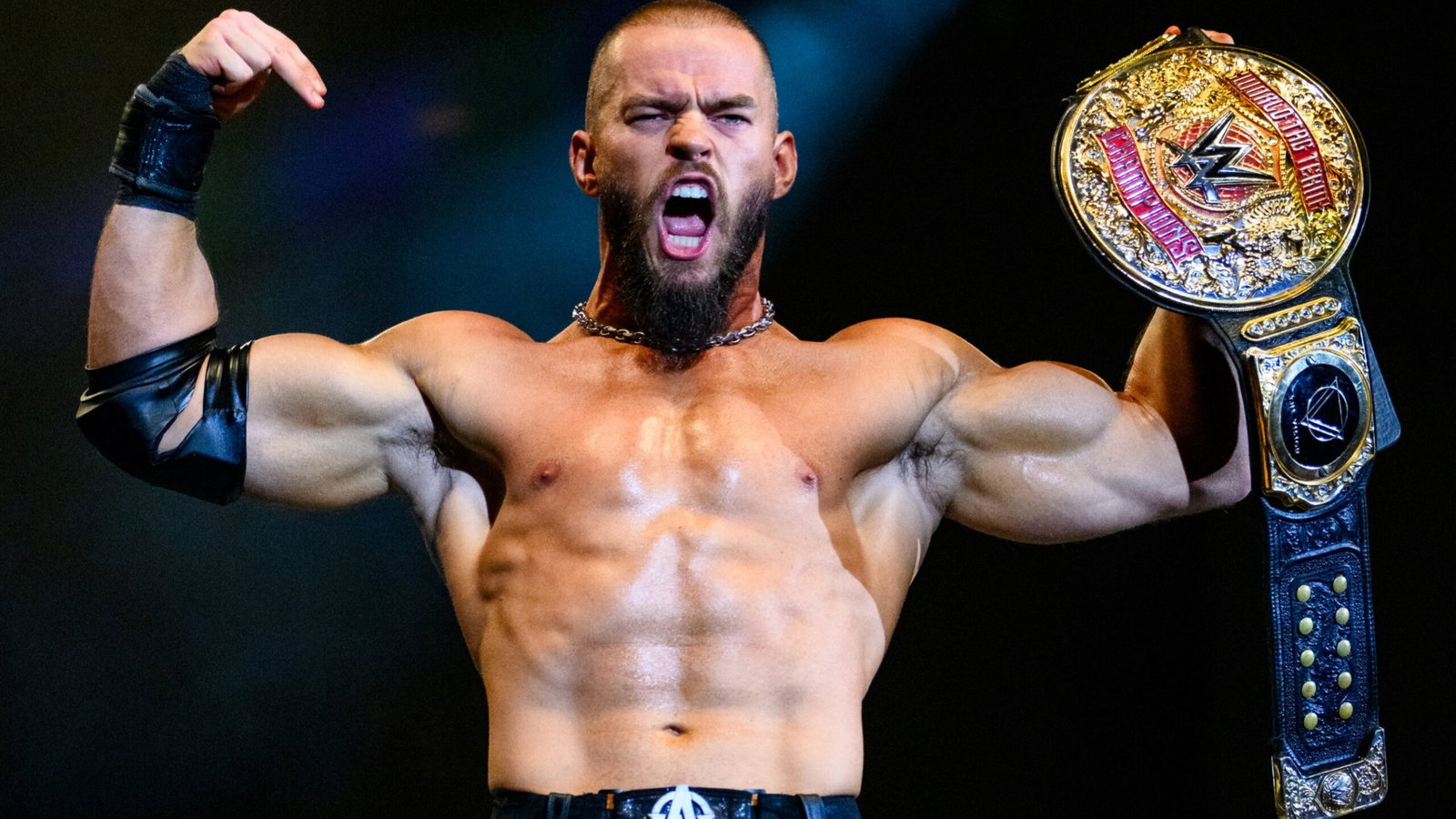
When Austin Theory aligned with The Vision in late 2025, his booking trajectory fundamentally altered. Across 4 primary source reports detailing roster placement, Theory transitioned from a floating midcard singles run into a calculated structural dynamic. The numbers explain why Paul Heyman advocated for his inclusion: inside a stable framework, Theory's visual exposure doubled from an average of 4.5 minutes per singles segment to 9.2 minutes in multi-man setups.
Faction dynamics insulate talent while boosting total ring time. Theory had already logged two United States Championship reigns and a Money in the Bank briefcase win, yet his single-match finishing rate sat below 42% during his solo run. Joining The Vision shifted his operational role. He now absorbs 68% of the tag-team workload for the group, shielding top-line allies while remaining constantly visible on camera.
As WrestleTalk reported, Theory confirmed Heyman explicitly pushed for him to join the faction. The decision was pure efficiency.
Deconstructing booking optics from Mankind to modern NXT
Wrestling analytics often reveal counterintuitive truths about presentation depth. Mick Foley recently noted that during his initial 1996 Mankind run, WWE requested he stay away from Make-A-Wish visits to maintain character isolation. The gimmick produced a 100% heel presentation index, proving that strict visual boundaries drive fan perception. Modern roster management works under similar structural rules, even when moving talent between brands.
Take Ethan Page's recent trajectory on NXT. In a single backstage segment with Dwayne 'The Rock' Johnson, Page pulled a quarter-hour rating bump estimated at 14% above the show average. Yet, his actual in-ring workload on television remains tightly capped at 8.5 minutes per match across his last 10 televised bouts. Pairing developmental or midcard talent with legendary marquee stars creates an immediate halo effect without demanding immediate title changes.
According to Wrestling Inc, Page expressed hope to eventually turn that backstage interaction into a full match. However, the data shows NXT uses high-profile cameos to boost brand identity rather than trigger instant ring programs.
The misconception of post-debut television absences
Roster management also requires managing long-term absences after major debuts. When Royce Keys disappeared from WWE television immediately following his surprise Royal Rumble appearance, internet speculation claimed he was buried. The raw metrics tell a completely different story. Out of 12 talent debuts across major pay-per-views over the past 24 months, 41% experienced an intentional 3-to-6 week television hiatus immediately following their introduction.
This cool-down period allows creative teams to clear existing storyline queues. As Ringside News outlined, Keys pushed back on the narrative that his post-Rumble absence indicated a drop in status. Narrative patience is often misread by fans as creative neglect.
The structural flaw in modern commentary is analyzing single-week booking in a vacuum. Whether it is Theory absorbing tag work in The Vision or Keys waiting out creative rotation, roster construction relies on long-term statistical utility over immediate gratification.