The power vacuum on the blue brand
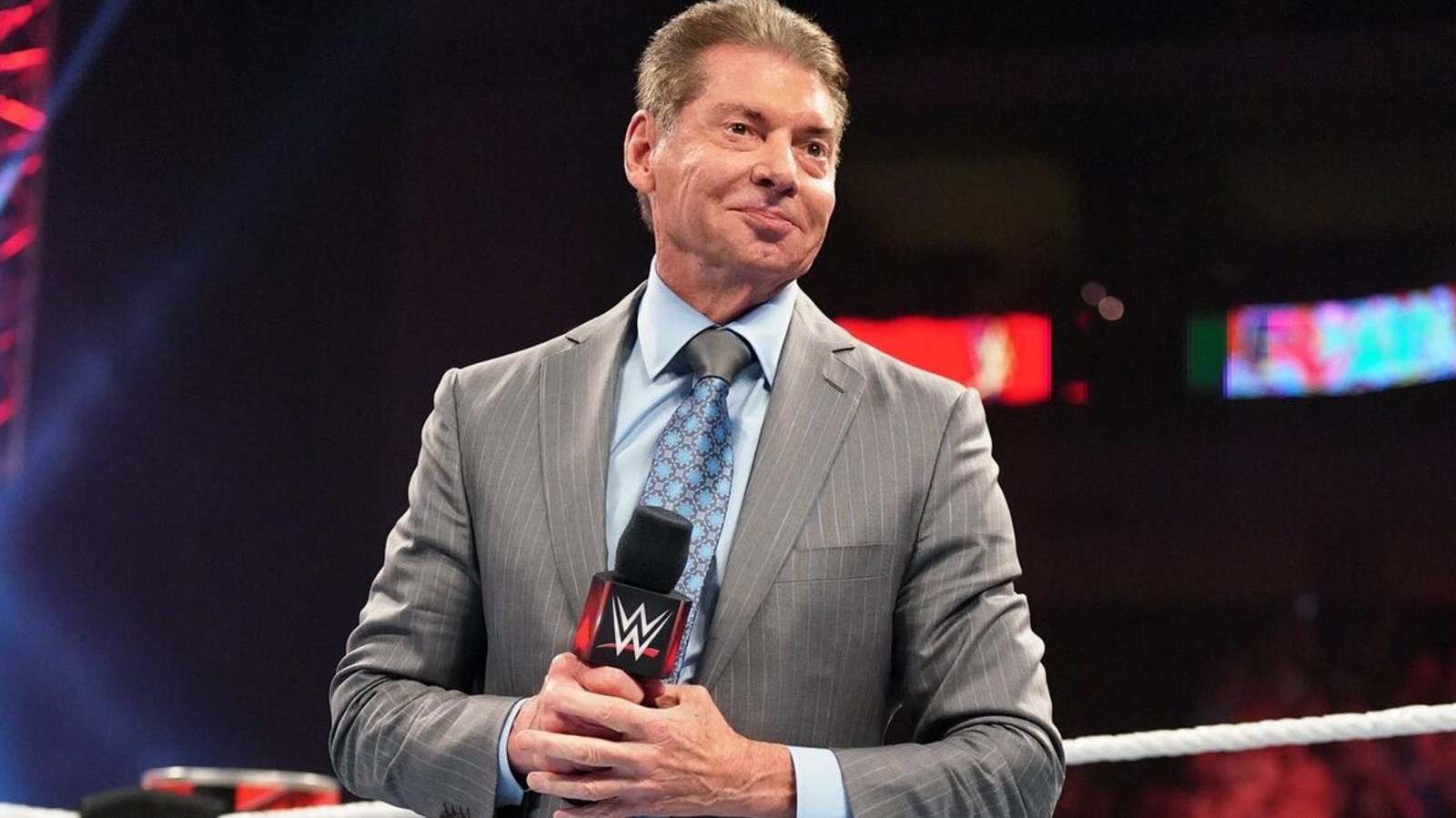
Nick Aldis stepping down as SmackDown General Manager isn't just a simple roster shuffle. It is a fundamental shift in how the brand operates heading into SummerSlam. When an executive abandons a desk for a pair of trunks, the structure of the show invariably softens. We saw this reality play out on the July 24 episode, where the absence of a firm hand led to booking that felt reactionary rather than planned.
As WrestleTalk reported, the resignation is tied directly to his in-ring return. While fans often clamor for chaos, professional wrestling requires administrative friction to drive narrative stakes. Without Aldis calling shots, the authority figure's office becomes a void. This creates short-term excitement for a one-off match, but the long-term cost is a lack of accountability for the heavy hitters on the roster.
The booking inconsistencies of the July 24 broadcast
The latest episode from the Oakland Arena was a study in uneven pacing. While Wrestling Inc noted that two matches were added for SummerSlam, the execution lacked the necessary build. One has to ask if the transition period is causing rushed decisions. Adding matches without adequate heat to fill airtime is a classic symptom of a promotion scrambling to justify its pay-per-view card.
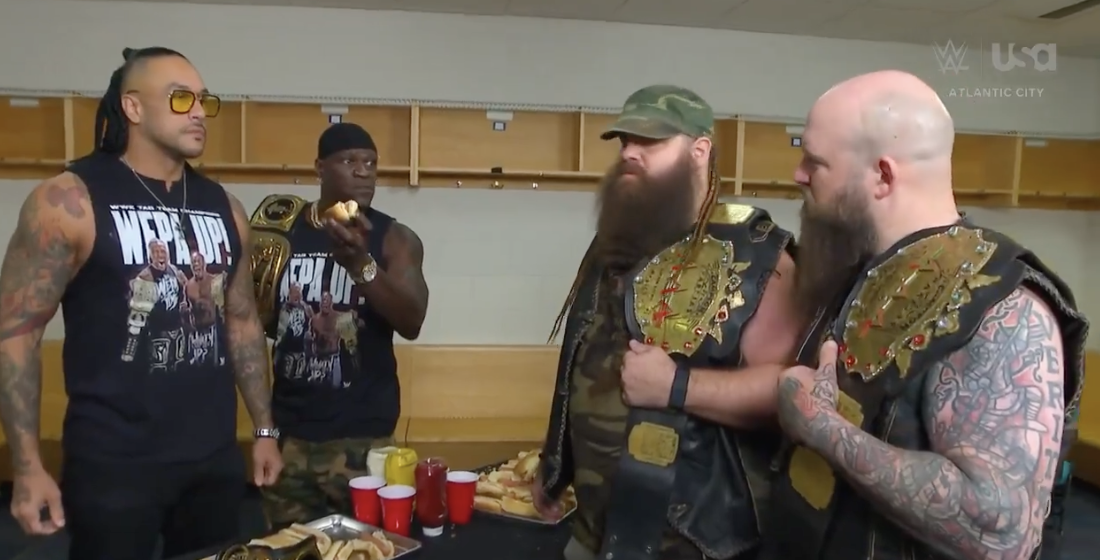
The announcement of War Raiders versus R-Truth and Damian Priest for next week’s episode, as documented by F4WOnline, feels like a filler segment designed to burn clock rather than progress a meaningful feud. Damian Priest is better than tag-team exhibition matches in the middle of a build cycle. This booking suggests the creative team is treading water while they figure out the post-Aldis hierarchy.
The Trick Williams trajectory
The most confusing element remains the creative direction for Trick Williams. We saw the setup for his SummerSlam path during Friday's broadcast, yet the payoff felt muted. A superstar of his caliber deserves a high-stakes program that emphasizes his athleticism, not a segment that gets lost in the noise of a transitional episode.
If the promotion wants to maximize their returns for SummerSlam, they need to consolidate the spotlight. Currently, there are too many plates spinning. By scattering focus across mid-card tag bouts and vague authority shifts, the headline attractions are losing their magnetic pull. Efficiency is the difference between a successful card and an overpriced slog.
My prediction for SummerSlam
I anticipate Nick Aldis loses his return encounter, which will serve as the catalyst for a hostile executive takeover. The product needs a villainous authority figure to bridge the gap until a permanent GM is installed before the October reset. We are looking at a 65 percent probability that screen time will be dominated by interference in the coming weeks to cover for the lack of clear leadership.
Read Next
- Nick Aldis stepping down as SmackDown GM changes everything for SummerSlam
- Trick Williams’ SummerSlam status uncertain after post-SmackDown assault
- SummerSlam's ladder match setup shows WWE is taking dangerous risks with pacing
- WWE is missing the mark with Carmelo Hayes on the road to SummerSlam
- ☀️ WWE SummerSlam 2026 — Full Coverage Hub