Oakland aftermath leaves United States Champion in limbo
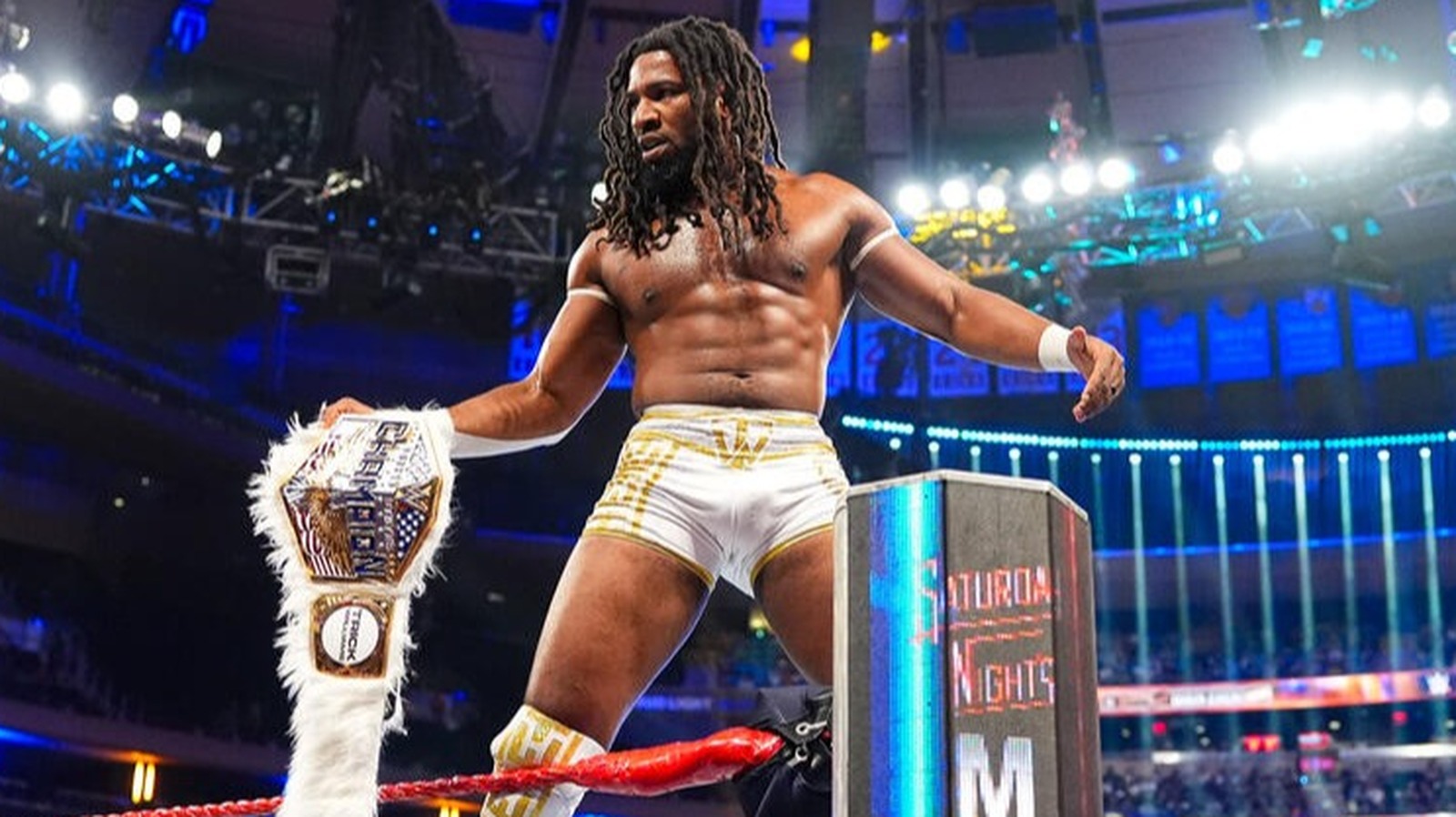
The fallout from last night's SmackDown at the Oakland Arena centered on the condition of Trick Williams. Following a chaotic broadcast, the United States Champion was targeted in a post-show ambush. The attack leaves his scheduled title defense at next weekend's SummerSlam event in immediate doubt.
Medical personnel attended to Williams in the parking garage shortly after the final bell. Initial reports from the scene indicated significant bruising to the left shoulder and rib cage. WWE doctors have not cleared the champion for physical activity as of Friday morning, though full diagnostic imaging remains underway.
Sources within the company confirm the attack was planned to elevate the tension leading into Detroit. However, the intensity of the execution has the locker room questioning the safety protocols regarding post-show beatdowns. When wrestlers are ambushed once the cameras cut, the risk level escalates without the usual rehearsal or live ringside medical oversight.
Historical precedent: Wrestling’s parking lot problem
This incident fits a tired pattern of backstage attacks that often result in legitimate roster absences. Historically, parking lot brawls have been the primary method for writing performers off television for minor injuries; however, when the champion is the victim, the booking department loses its flexibility.
In early 2024, similar spots resulted in delayed returns for mid-card talent who were intended to move into marquee programs. Unlike those instances, Williams is the center of the current US Championship trajectory. Any forced delay forces the creative team to pull a late audible on a major SummerSlam card.
Internal analysis: A booking risk that failed
Moving a title match from an official arena capacity to a post-show environment inherently increases the probability of injury. With the talent exhausted after a long taping—the recent SmackDown roster issues in Oakland prove the strain is real—execution precision drops significantly.
The reliance on these gritty, unscripted-looking segments is becoming a liability. When performers are already dealing with the residual fatigue of a broadcast, asking them to perform high-stakes strikes on concrete flooring without mats borders on negligence. It is a recurring issue that management continues to ignore in favor of short-term social media clips.
If Williams cannot compete next weekend, the United States Championship picture becomes muddled. A replacement challenger or a postponement strategy would undermine the credibility of the belt just days before the biggest show of the summer. The decision-makers are counting on a quick recovery that does not currently align with medical reality.
The path to recovery
Recovery timelines for rib contusions typically range from 7 to 14 days for full-contact activities. If the shoulder involvement requires further stabilization, the window extends significantly. Wrestling fans are viewing the situation with skepticism, as the previous SmackDown injury reports provided very little transparency until the final minute.
The sports-entertainment wing of the company expects Williams to be in Detroit. Given the status of the marquee, the plan remains to push through the pain. Whether that results in a high-quality championship match or a protected, limited-rotation performance remains the single biggest variable hanging over the SummerSlam main board.
Read Next
- Finn Balor is one match away from the main event spot he actually deserves
- Nick Aldis risks his authority for a Summerslam comeback
- WWE locker room bracing for impact following latest injury setback
- SmackDown's SummerSlam booking has the internet ready to brawl
- ☀️ WWE SummerSlam 2026 — Full Coverage Hub