The NWO Legacy: Chaos, Wolfpac Red, and Hollywood Black
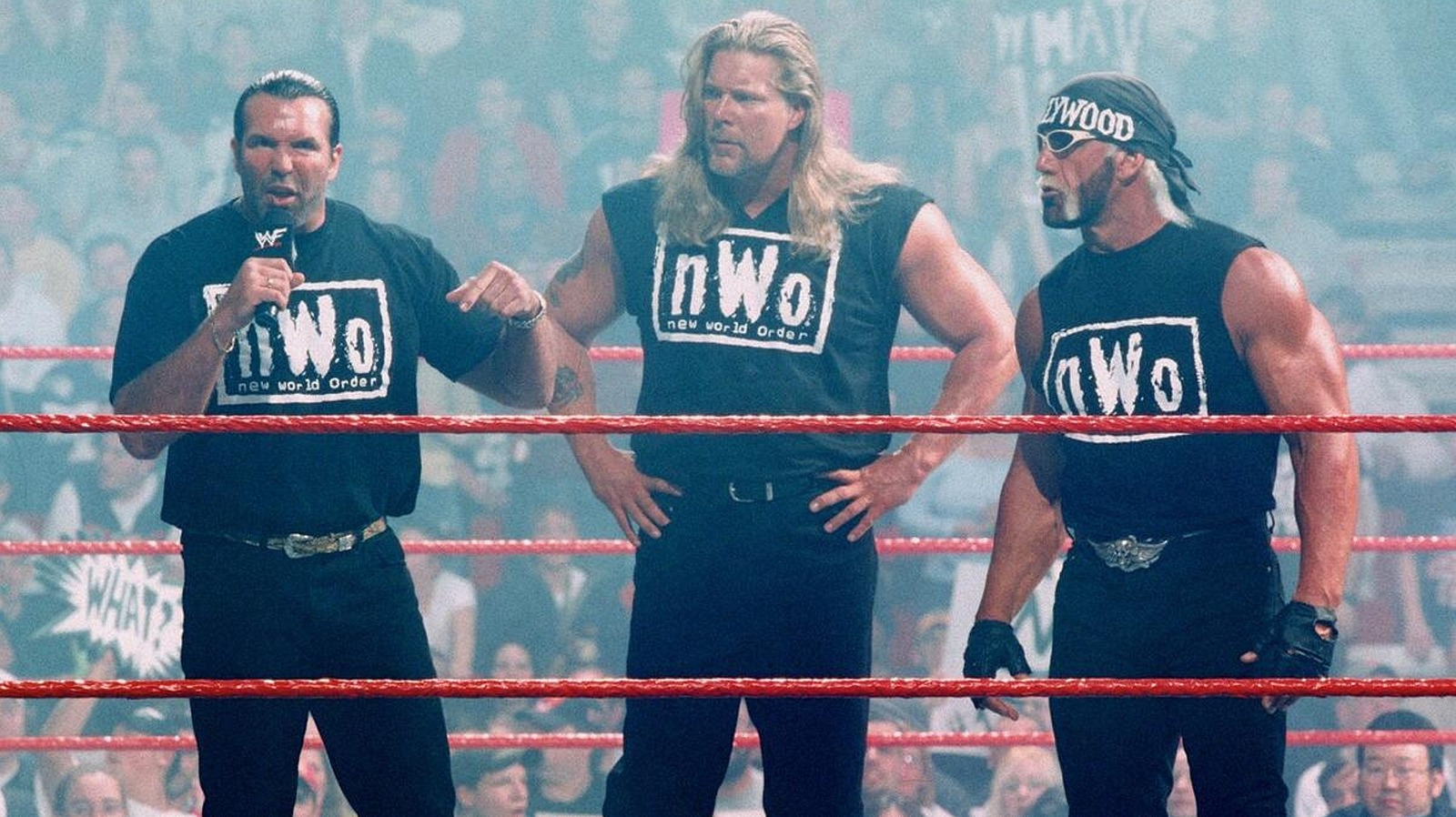
Few factions changed professional wrestling overnight like the New World Order. From the moment the nWo took over World Championship Wrestling in 1996, the Monday Night Wars swung decisively toward Atlanta. But behind the iconic run were distinct eras, betrayal, and music that defined late-90s pop culture.
Speaking on his "Kliq This" podcast, WWE Hall of Famer Kevin Nash broke down the split between the classic black-and-white nWo theme and the iconic Wolfpac theme. Nash admitted he preferred the Wolfpac entrance track, praising its bassline and energy during the height of the faction's internal war. That debate over original nWo versus Wolfpac remains a hot topic for wrestling fans decades later.
Ranking the Top 10 NWO Moments in WCW History
10. The Wolfpac Red and Black Split (May 1998)
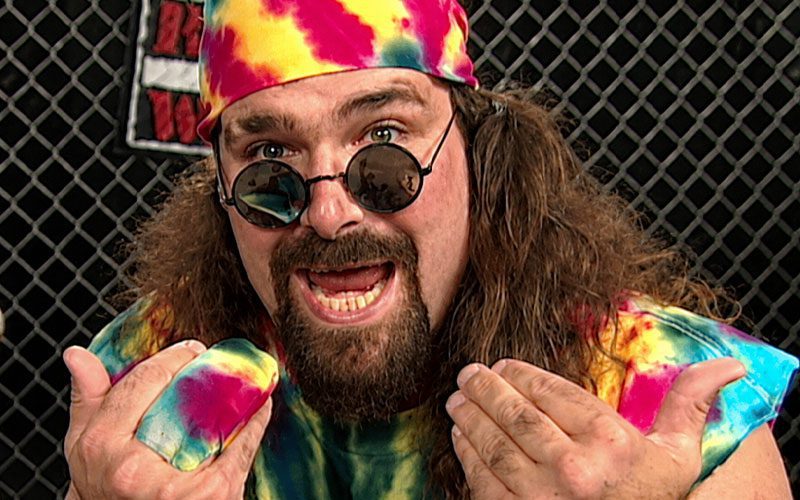
By mid-1998, the original nWo had grown bloated with midcarders, diluting its main event threat. Kevin Nash and Macho Man Randy Savage split off to launch the nWo Wolfpac in red and black, instantly revitalizing the storyline. Nash revealed on "Kliq This" that he favored the Wolfpac music over the original theme, and the crowd reaction proved the fan base was ready for the babyface turn. The red and black aesthetic made the nWo cool again when the black and white version was running out of steam.
9. Dennis Rodman Arrives on Monday Nitro (June 1997)
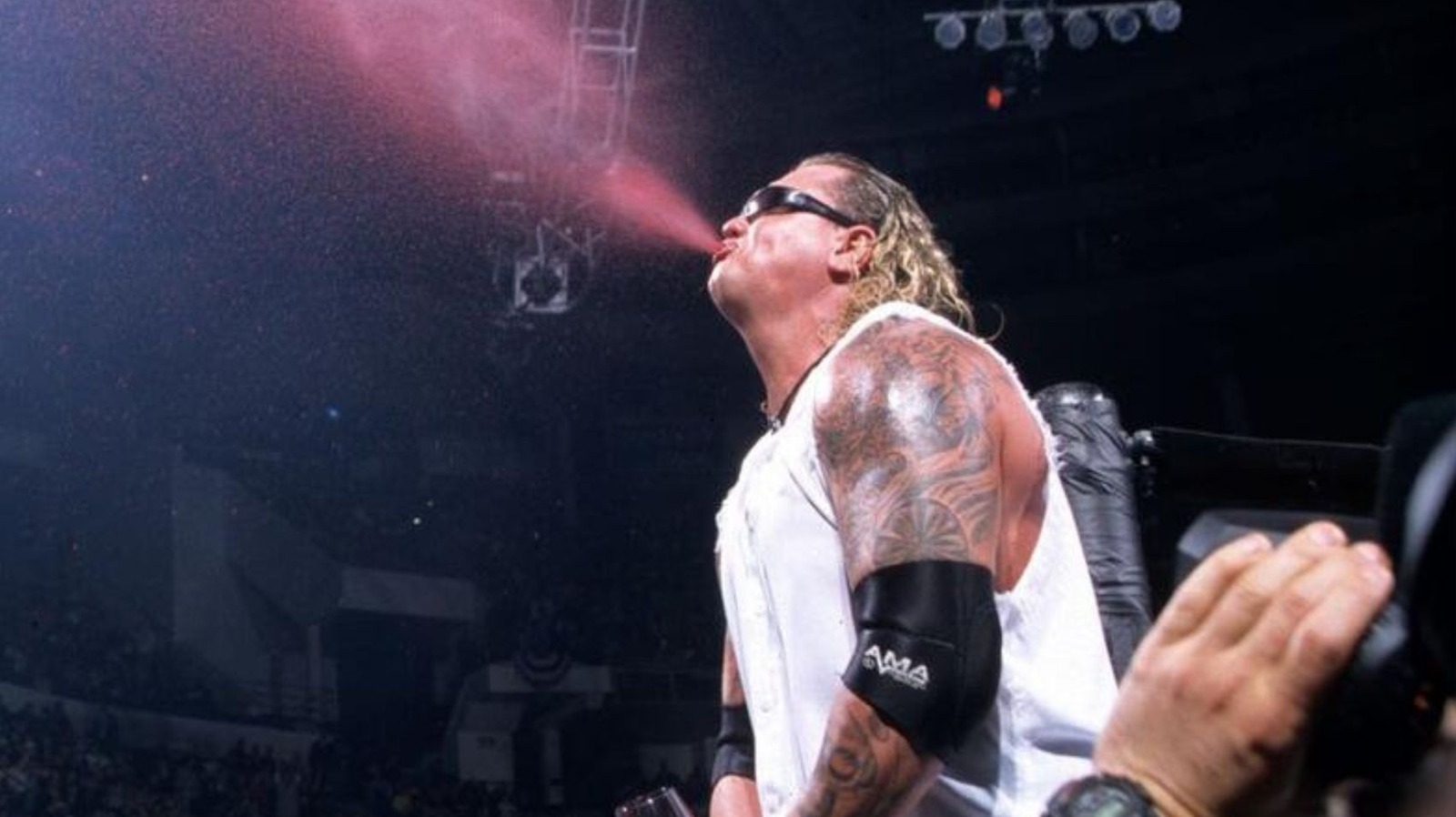
WCW brought mainstream media dominance to wrestling by pairing Hollywood Hogan with NBA legend Dennis Rodman right after the Chicago Bulls won the NBA championship. Rodman hit the ring in classic nWo gear, spraying paint and swinging steel chairs without hesitating. It was raw, unscripted pop-culture integration that WWE could not match at the time. The main-event tag team match at Bash at the Beach proved WCW was the biggest show in sports entertainment.
8. Syxx Steals the WCW Cruiserweight Championship (March 1997)
Sean Waltman brought an edge to the nWo that the heavyweight veterans could not match in the cruiserweight division. By defeating Dean Malenko for the crown and physically taking title belts off WCW broadcast desks, Syxx established that no corner of the company was safe. He pushed the pace in high-impact singles matches that gave the faction workrate credibility alongside its promo segments. His run ended too early due to injuries, preventing a longer title reign.
7. Scott Hall Drops the Mic on Monday Nitro (May 1996)
When Scott Hall walked through the crowd at the Macon Centreplex in Georgia, wrestling changed forever. Stepping into the ring during a routine match, Hall delivered the famous speech declaring, "You know who I am, but you don't know why I'm here." The invasion angle felt real because Hall had just left WWF programming weeks prior. It established the template for every invasion angle that followed for the next 30 years.
6. The Souled Out 1997 Joint Pay-Per-View Experiment (January 1997)
Not every nWo experiment worked, and Souled Out 1997 stands as a chaotic warning about faction booking. WCW ran an entire pay-per-view branded around the nWo, complete with garbage trucks, bad refereeing, and a bizarre beauty pageant. While the execution fell flat and turned off live arena fans in Cedar Rapids, the ambition was undeniable. It proved the nWo was willing to risk total control over WCW production.
5. The Fingerpoke of Doom (January 1999)
The most controversial moment in WCW history occurred on Monday Nitro in Georgia when Kevin Nash dropped to the mat after a single poke from Hollywood Hogan. The reunion of the Wolfpac and Hollywood factions unified the group, but it completely destroyed fan trust in the main event scene. Bill Goldberg's undefeated streak had just ended, and replacing it with a joke pinfall severely hurt Nitro in ratings. It remains the most notorious booking misstep of the Monday Night Wars.
4. Kevin Nash Ends Goldberg's 173-0 Streak (Starrcade 1998)
Goldberg was an unstoppable force in 1998 until he ran into Kevin Nash and Scott Hall at Starrcade. The chaotic finish saw Hall use a cattle prod to shock Goldberg, allowing Nash to deliver the Jackknife Powerbomb and steal the WCW World Heavyweight Championship. The match ended a legendary streak in controversial fashion that fans still argue about today. Nash solidified his status as the top power player in the company.
3. The nWo Takes Over Monday Nitro Broadcast Desk (Lethal Leap Year 1996)
During the summer of 1996, the nWo repeatedly cut power cords, commandeered commentary headsets, and physically evicted WCW announcers Eric Bischoff and Bobby Heenan. They vandalized production trucks and spray-painted "nWo 4 Life" on everything in sight. This guerilla-style television production made Nitro feel unpredictable every single week. It set a benchmark for dynamic, edgy TV that forced WWE to respond with the Attitude Era.
2. The Hostile Takeover at Bash at the Beach (June 1996)
Before Hogan turned, Scott Hall and Kevin Nash spent weeks teasing a mysterious third partner for their team against Sting, Lex Luger, and Randy Savage. The handicap match at Bash at the Beach built incredible tension inside the arena. The match went 16 minutes before Hogan walked down the aisle to complete the angle. The crowd's reaction remains one of the loudest heat spots in wrestling history.
1. Hollywood Hogan Turns His Back on WCW (July 1996)
Hulk Hogan dropping the leg drop on Randy Savage at Bash at the Beach 1996 is the undisputed top moment in nWo history. After years as wrestling's ultimate babyface, Hogan shocked the world by dropping trash into the ring while declaring the creation of the New World Order. Fans littered the ring with trash as Gene Okerlund conducted the iconic post-match interview. It fundamentally changed professional wrestling, ushering in the most lucrative era in industry history.