The friction behind multi-man ladder match dynamics
Multi-man ladder matches live or die on structural timing. When six or eight workers compete for a briefcases or titles, match flow frequently devolves into taking turns outside while two men run spot sequences inside. On the July 24 episode of SmackDown, WWE officially added two key matches to the upcoming SummerSlam card, but the construction of the ladder lineup reveals clear tactical concerns in pacing and spacing.
We have seen this pattern before when booking crowds too high too early. The physical tax of ladder spots requires recovery intervals, yet recent TV builds have compressed transitions into chaos. Instead of letting ring psychology breathe, matches are being booked around highlight bumps rather than clean narrative progression.
Tactical breakdown of SmackDown's key additions
Looking at the match footage and structural layouts from Friday night, the execution delivered mixed results. The workrate remains crisp, yet structural flaws in match structure were hard to ignore. Spot setups felt overly coordinated, particularly during sequence setups around the perimeter.
The central issue stems from spot fatigue. When a bout relies on repetitive high-risk setups without distinct mid-match resets, emotional investment drops during the final act. A standard three-way sequence needs precise positioning; when workers miscalculate their distance by even two feet, the visual impact evaporates immediately.
When multi-man matches prioritize rapid spot transitions over structural logic, the high-risk moments lose their punch long before the finish.
Analyzing the weak links in recent builds
Not everything on the July 24 broadcast hit the target. Certain promo segments dragged, relying on standard posturing rather than building genuine heat. The transition between the midcard angle and the main event scene lacked cohesive direction, leaving the crowd flat midway through the second hour.
Furthermore, execution issues surfaced during multi-person brawls. Timing errors on corner cut-offs disrupted momentum, forcing workers to stall while waiting for cues. If these minor missteps carry over into SummerSlam, the multi-man ladder match risks becoming a series of disconnected bumps rather than a fluid contest.
Final prediction for SummerSlam
Despite structural concerns regarding match length and potential clutter, the tactical edge goes to experience in high-stakes environments. Expect the ladder match to run at least 22 minutes, with early spot sequences favoring the high-flyers before heavy hitters control the final stretch.
The winner will likely capitalize on a late-match referee distraction or a blindside ladder tip-off from the apron. Bet on a decisive, physical conclusion that sets up a immediate championship feud heading into the autumn months.
Read Next
- WWE is missing the mark with Carmelo Hayes on the road to SummerSlam
- Trick Williams’ SummerSlam status uncertain after post-SmackDown assault
- Bron Breakker is a statistical anomaly in the modern WWE midcard
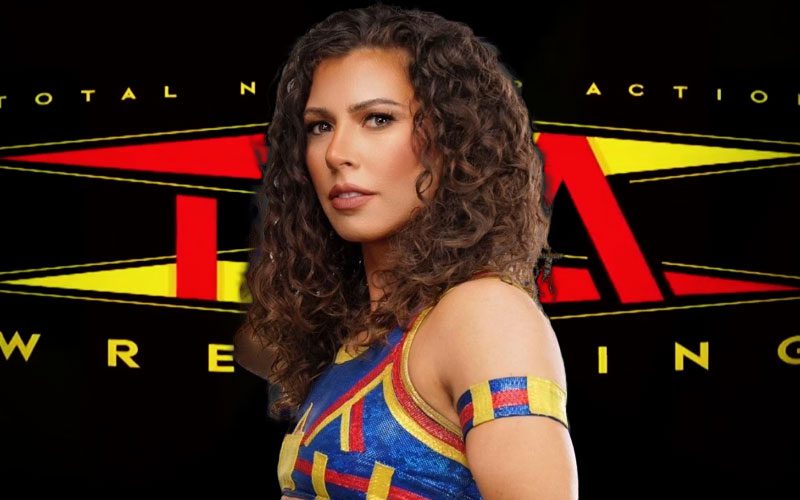
- Before her WWE SummerSlam shot, J-Rod almost landed in TNA
- ☀️ WWE SummerSlam 2026 — Full Coverage Hub